
What's Happening?
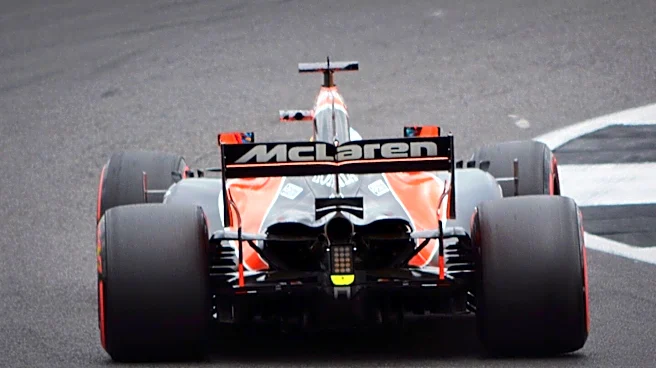
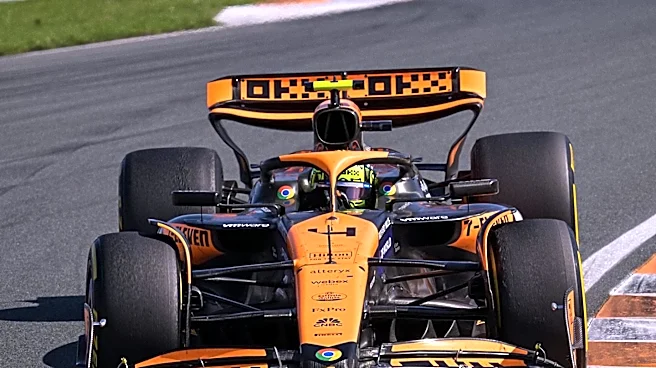
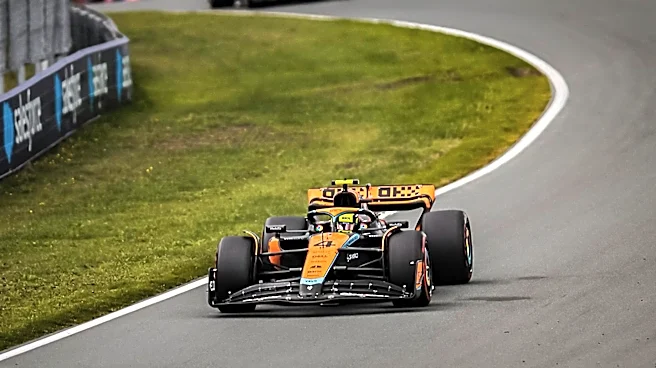
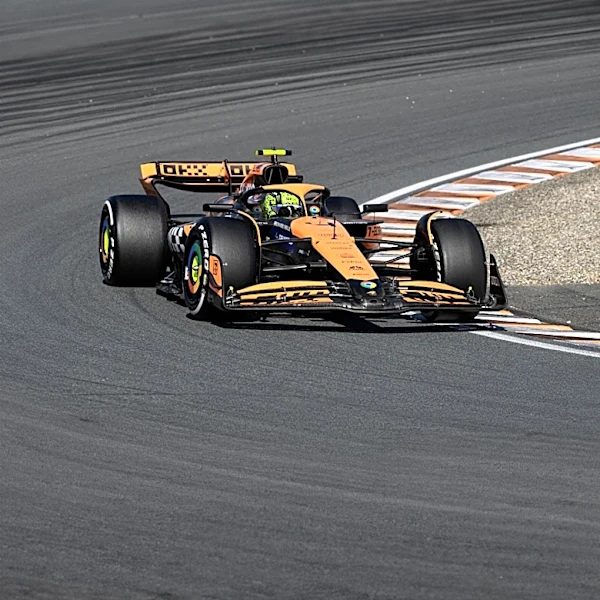
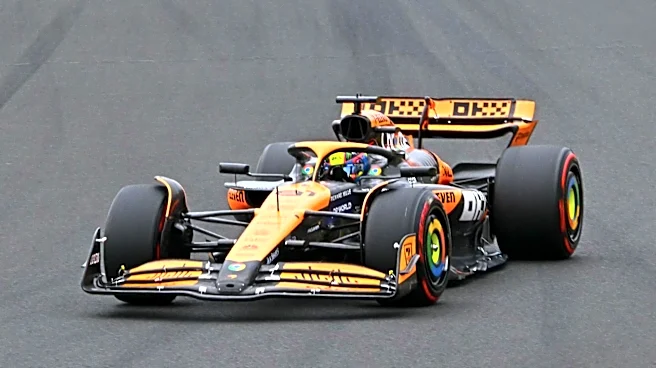
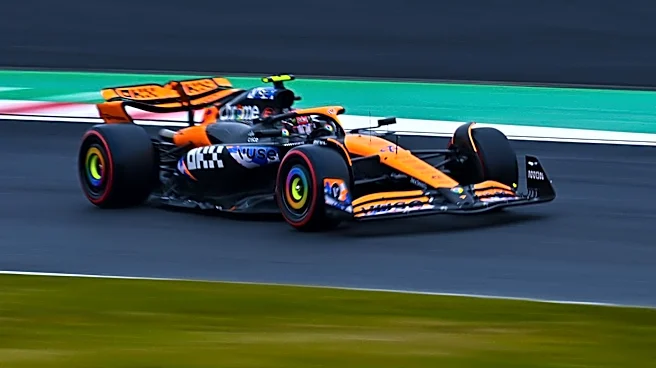
McLaren has implemented a strategic shift in its car development, leading to a significant performance boost at the Hungarian Grand Prix. The team's upgrades, focused on correcting the MCL40's underbody and load distribution, enabled Lando Norris to secure
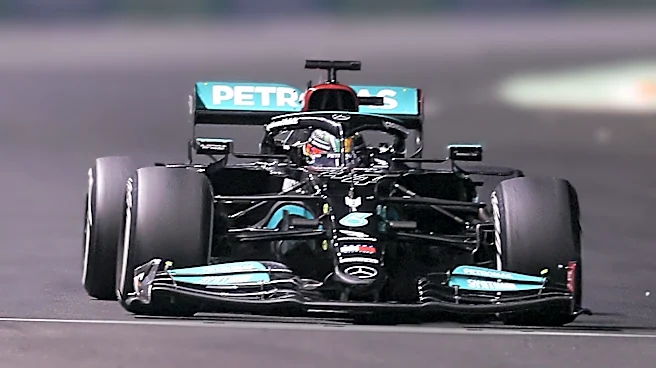
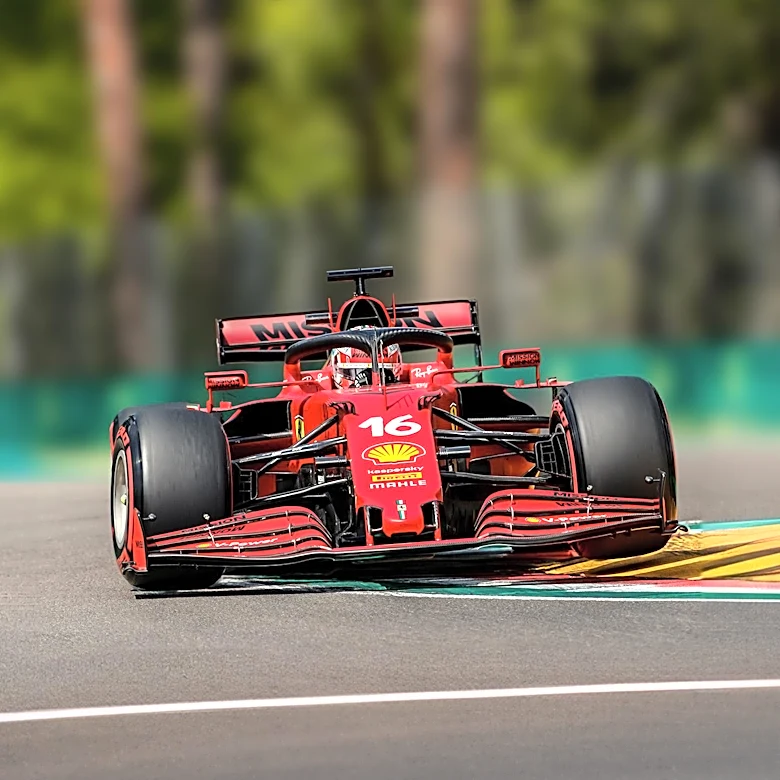
pole position and win the race. McLaren's analysis of rivals Mercedes, Ferrari, and Red Bull informed its decision to adjust its car's design, addressing instability issues. The upgrades mark McLaren's re-entry into the competitive race for performance enhancements, as the team aims to maintain its momentum and challenge for future victories.
Why It's Important?
McLaren's successful implementation of strategic upgrades highlights the critical role of continuous development in Formula 1. The team's ability to analyze and adapt to rival strategies underscores the importance of innovation and flexibility in maintaining competitive advantage. McLaren's victory at the Hungarian GP signals its potential to challenge top teams, impacting the constructors' championship and influencing the competitive dynamics of the sport. The development emphasizes the significance of technical expertise and strategic foresight in achieving success in F1.
What's Next?
McLaren plans to continue its focus on delivering further upgrades to enhance its car's performance. The team's strategy will involve ongoing analysis of rival developments and adjustments to its design approach. McLaren's performance in upcoming races will be pivotal in determining its standing in the championship and its ability to sustain its competitive edge. The team's success may prompt rivals to reassess their strategies and development plans, potentially leading to shifts in the competitive landscape of Formula 1.