

What's Happening?
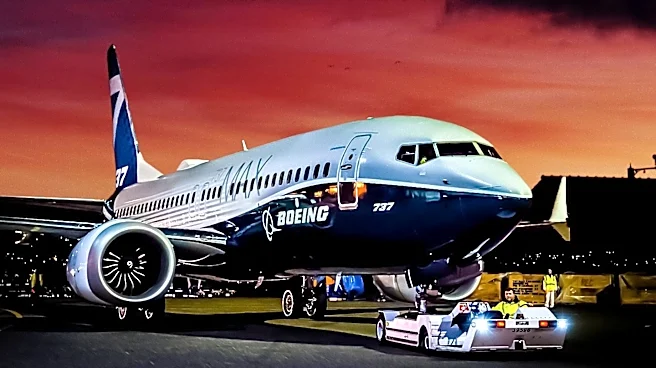
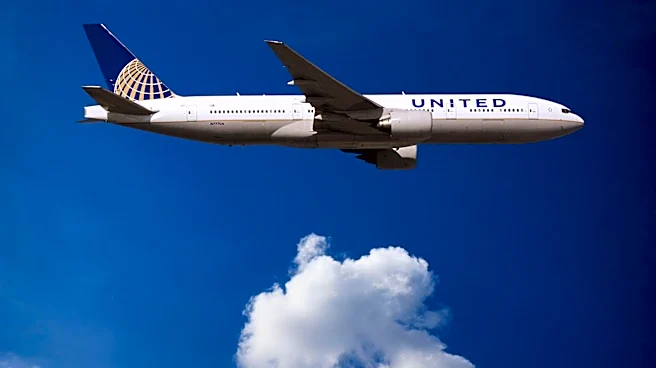
United Airlines is grappling with decisions regarding the interior configurations for its ordered Boeing 737 Max 10 aircraft, which are now expected to be delivered starting in summer 2027. The airline had initially planned for these planes to begin flying
in 2020, with specific designs for lie-flat, premium seats intended for profitable transcontinental routes. However, certification delays for the 737 Max 10, stemming from redesigns of an anti-icing system and increased scrutiny on Boeing, have left United with a surplus of these specialized seats in storage. United CEO Scott Kirby noted that these seats do not fit on other aircraft, posing a challenge for the airline. The company has 167 of the 737 Max 10 aircraft on order. In response to the delays, United has already adapted by outfitting a subfleet of Airbus A321neo aircraft with new Polaris suites and premium economy options for transcontinental routes, dubbed the 'Coastliner' fleet.
Why It's Important?
This situation highlights the significant operational and financial challenges airlines face due to manufacturing delays in the aerospace industry. United Airlines' predicament with specialized seating for the 737 Max 10 underscores the ripple effect of such delays on an airline's strategic planning, cabin configuration, and revenue generation. The inability to utilize pre-ordered premium seats for their intended aircraft means potential lost revenue from high-yield routes and additional costs associated with storage and potential redesigns. Furthermore, the pivot to Airbus A321neo aircraft for transcontinental routes demonstrates how airlines must remain agile and diversify their fleet strategies to mitigate risks associated with single-manufacturer dependencies. The ongoing scrutiny on Boeing's safety and manufacturing processes also impacts customer confidence and airline scheduling, affecting the broader U.S. aviation sector.
What's Next?
United Airlines must now determine the new interior layout for its 737 Max 10 fleet and decide where these aircraft will be deployed once they begin arriving in summer 2027. The airline had not disclosed the new layout or routes at the time of the report. This decision will be crucial, especially since United's earlier plans for the 737 Max 10 did not even include a premium economy section, which has since become a standard offering. The certification of the 737 Max 10 is still pending federal approval, though Boeing and its customers anticipate it will happen soon. The outcome of this certification process will directly influence United's ability to integrate these aircraft into its fleet and finalize its interior configurations, potentially impacting its competitive positioning on key routes.
Beyond the Headlines
The challenges faced by United Airlines extend beyond immediate operational concerns, touching upon the long-term relationship between major airlines and aircraft manufacturers. The extensive delays and subsequent need for airlines to adapt their strategies can strain these partnerships and influence future procurement decisions. This scenario also brings to light the complexities of aircraft interior design and the significant investment involved in creating specialized seating, which can become obsolete or unusable if aircraft deliveries are substantially delayed. The broader implications include potential shifts in market share among aircraft manufacturers as airlines seek more reliable delivery schedules and diversified fleets to minimize risks. This situation also underscores the evolving landscape of passenger expectations, with a continuous demand for premium seating options, pushing airlines to innovate and adapt their cabin products despite manufacturing hurdles.