





What's Happening?
Azerbaijan is entering the final months of 2026 with a strong external trade position, which is expected to support the stability of its national currency, the manat. From January to September, Azerbaijan exported goods worth $23.865 billion and imported
$13.346 billion, resulting in a positive trade balance of $10.519 billion. This nine-month surplus is 5.7 times higher than the level recorded a year prior, driven by a 28.3% increase in exports and a 20.4% decline in imports. The Central Bank of Azerbaijan has also been actively accumulating foreign exchange reserves, which rose from approximately $11.515 billion at the end of 2025 to $15.363 billion by September 30, 2026, an increase of 33.4%. The Central Bank purchased $1.5 billion in foreign currency in August alone, with potential for further purchases by year-end. These factors contribute to a favorable supply-demand balance in the foreign-exchange market for the manat, which operates under a de facto fixed exchange-rate arrangement of 1.70 per US dollar.
Why It's Important?
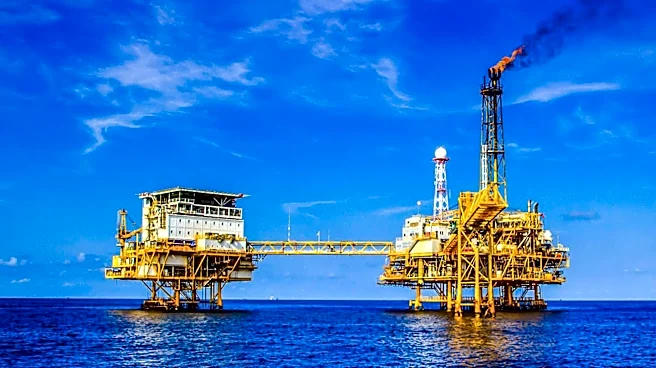
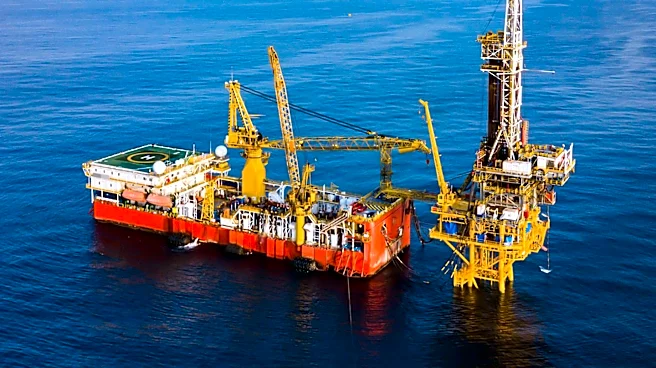
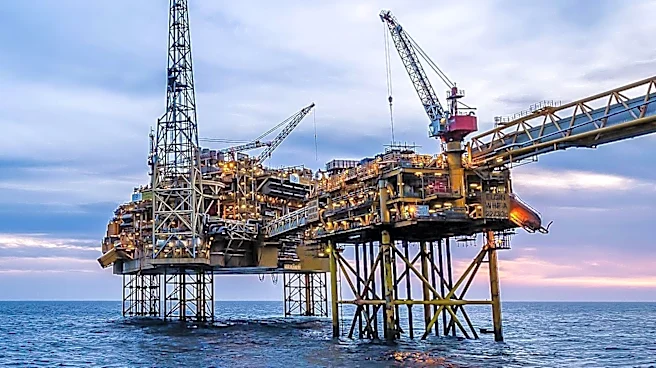
The robust external surplus and accumulation of foreign exchange reserves are critical for Azerbaijan's economic stability, particularly in maintaining the manat's fixed exchange rate. This stability provides a predictable economic environment for businesses and investors, reducing currency risk and fostering confidence. The substantial increase in reserves offers a buffer against external shocks, such as fluctuations in global energy prices, which are crucial given that oil and gas accounted for 72.1% of Azerbaijan's exports during the first nine months. While the trade surplus is a significant strength, the concentration of exports in the energy sector highlights a vulnerability. The Central Bank's ability to manage liquidity and inflation risks while purchasing foreign currency is also vital, as these actions can impact domestic spending and lending. The overall picture suggests a strong foundation for macroeconomic stability, but also underscores the ongoing need for economic diversification.
What's Next?
For the final quarter of 2026, indicators suggest continued stability for the manat, with expectations that it will remain near 1.70 per dollar. The Central Bank may continue its foreign currency purchases, depending on market conditions and inflation risks. However, this outlook is contingent on the absence of major external shocks or significant policy changes. The long-term challenge for Azerbaijan is to expand its non-oil exports and strengthen the economy's capacity to generate foreign currency from a wider range of sectors. This diversification is essential to build more durable stability and reduce reliance on volatile energy prices. The government and Central Bank will need to carefully manage monetary policy to prevent inflationary pressures that could arise from increased liquidity due to foreign currency purchases, while also fostering an environment conducive to broader economic growth.
Beyond the Headlines
The strong external surplus and reserve accumulation in Azerbaijan reflect a broader strategy to enhance economic resilience and reduce vulnerability to global market fluctuations. This approach is particularly relevant in a global economy characterized by increasing geopolitical divisions and economic uncertainties. By strengthening its financial buffers, Azerbaijan aims to project an image of stability, which can attract foreign investment and support its long-term development goals. However, the heavy reliance on oil and gas exports, despite the current positive trade balance, poses a structural challenge. The ongoing effort to diversify the economy is not merely an economic objective but a strategic imperative to ensure sustainable growth and reduce geopolitical exposure. The success of these diversification efforts will ultimately determine Azerbaijan's ability to maintain its economic strength and currency stability in the face of evolving global dynamics.