





What's Happening?
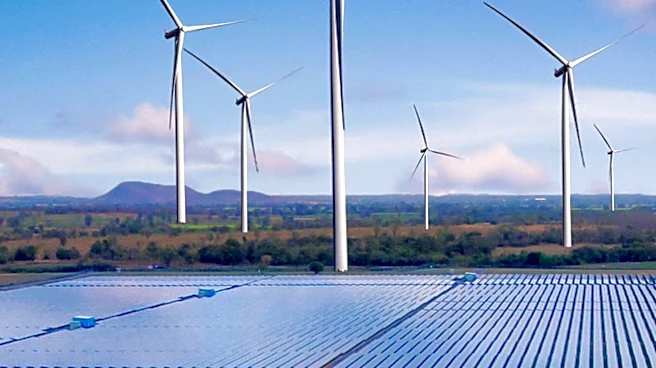
Meta has significantly increased its commitment to renewable energy in India, contracting nearly 1 gigawatt (GW) of new clean power. This includes 837 megawatts (MW) of solar and wind projects in partnership with CleanMax and an additional 88 MW with Fourth
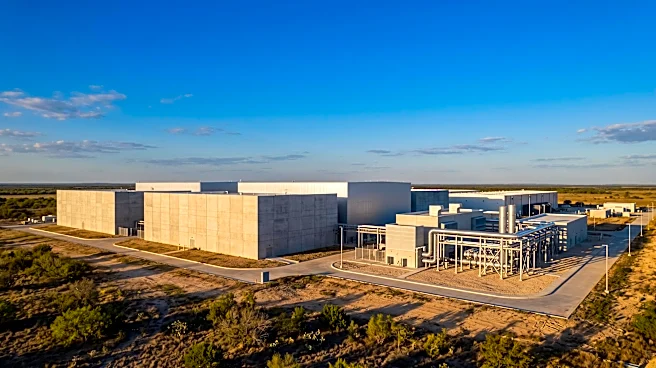
Partner Energy. This expansion is driven by the escalating electricity demands of data centers and artificial intelligence (AI) infrastructure in India. The country's data center IT load is projected to reach 5.4 GW by 2030, up from 2.7 GW in 2026, necessitating approximately 4 GW of additional round-the-clock clean power. Meta is also collaborating with Reliance Industries on a 168 MW AI-enabled data center in Jamnagar, Gujarat. Other major technology companies like Google, Amazon, and Apple are similarly seeking renewable electricity to support their growing digital operations, influencing how clean energy projects are contracted, financed, and developed.
Why It's Important?
This surge in demand from technology giants like Meta is reshaping India's renewable energy market by creating a new category of large-scale buyers. These companies are increasingly entering into long-term power purchase agreements (PPAs), often spanning 15-20 years. Such agreements provide renewable developers with greater revenue visibility, which can improve their ability to secure project financing and expand capacity. This trend helps developers diversify beyond their traditional reliance on state distribution companies and competitive government-led auctions. For India, this emerging market links digital infrastructure investment with the energy transition, potentially strengthening renewable project economics, attracting private capital, and broadening the customer base for clean energy expansion, provided that grid and storage investments keep pace.
What's Next?
The continued expansion of data centers and AI infrastructure in India will likely lead to further demand for renewable energy. Technology companies are expected to continue exploring long-term PPAs and other innovative procurement methods to manage operating costs and meet emissions commitments. This will put increased pressure on India's grid infrastructure and energy storage capabilities, requiring significant investments to ensure reliable, round-the-clock clean power. The success of these initiatives will depend on the ability of the Indian energy sector to scale up renewable generation and integrate it effectively into the national grid, potentially fostering more partnerships between global tech firms and local energy developers.
Beyond the Headlines
The growing reliance of data centers on renewable energy highlights a critical intersection between technological advancement and environmental sustainability. As AI workloads become more intensive, the energy footprint of digital infrastructure expands, making clean energy solutions not just an environmental preference but an operational necessity. This trend could accelerate the development of advanced energy storage solutions and smart grid technologies to ensure consistent power supply. Furthermore, the shift towards corporate procurement of clean energy could set new standards for corporate responsibility and influence energy policy, pushing for more favorable regulatory environments for renewable energy development and investment in emerging markets like India.