




What's Happening?
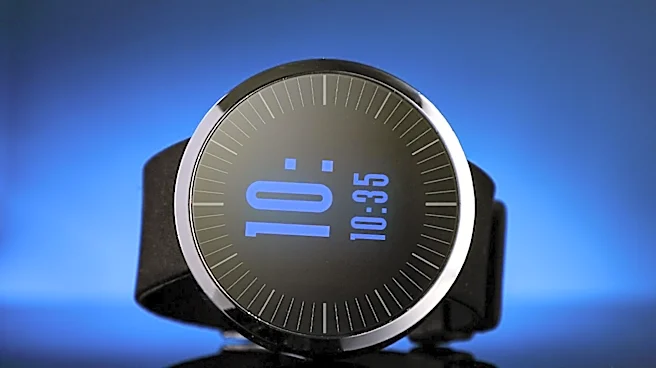
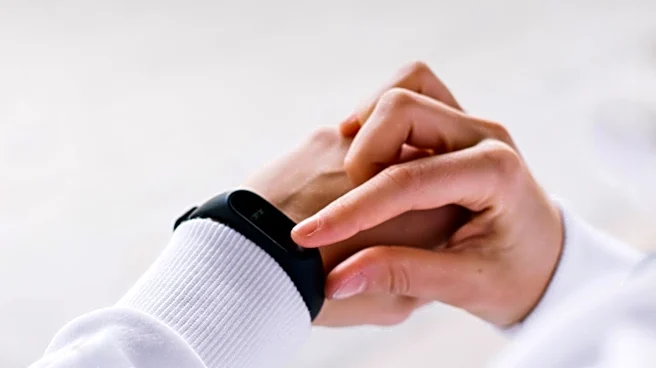
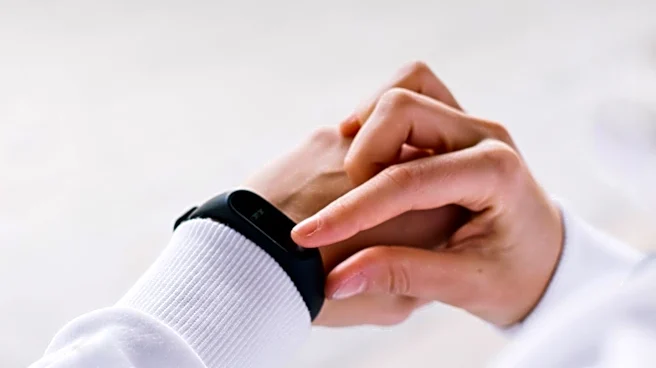
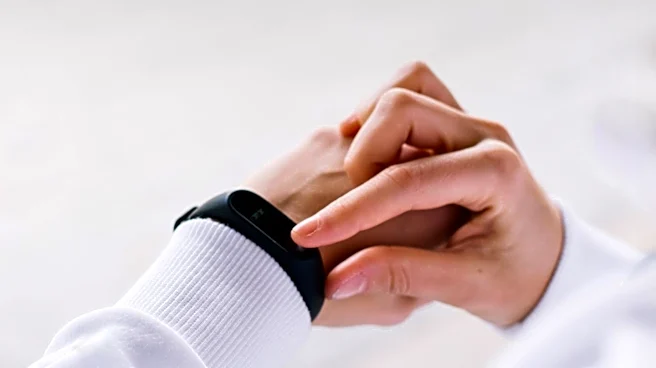
Sleep trackers are increasingly sophisticated devices that monitor various physiological and environmental factors to provide insights into sleep quality. These devices typically track movement using accelerometers, which can be found in wearable devices like
wristbands or in non-wearable sensors placed in or near the bed. Beyond movement, many trackers also monitor heart rate, often through optical sensors in wearables or ballistocardiography (BCG) in non-wearable devices, which detects subtle body movements caused by heartbeats. Some advanced trackers also measure breathing patterns, sound levels, lighting levels, room temperature, and air quality to offer a comprehensive view of the sleep environment. The collected data is then analyzed by algorithms to estimate sleep stages, total sleep time, and interruptions, generating reports accessible via smartphone applications. While these devices provide valuable long-term trends, their accuracy for single nights or precise sleep stage detection can vary.
Why It's Important?
The growing adoption of sleep trackers highlights a broader societal focus on health and wellness, particularly the understanding of sleep's critical role in overall well-being. By providing accessible data on sleep patterns, these devices empower individuals to identify potential issues, make lifestyle adjustments, and seek professional help if necessary. The integration of AI and machine learning algorithms in these trackers is enhancing their accuracy and personalization, making them more effective tools for health-conscious consumers. This trend also fuels innovation in the wearable technology market, driving companies to develop more comfortable, feature-rich, and accurate devices. The data collected by these trackers can also contribute to broader public health initiatives by providing insights into sleep trends and the impact of environmental factors on sleep quality, potentially informing future health guidelines and interventions.
What's Next?
The future of sleep tracking is likely to see continued advancements in sensor technology and data analytics. We can expect more seamless integration of sleep tracking with other health monitoring systems, creating a holistic view of an individual's health. Further development in AI and machine learning will lead to more precise sleep stage detection, personalized recommendations, and predictive analytics for potential sleep disorders. The market may also see an increase in specialized sleep hardware, such as contactless bedside lamps with integrated sensors and advanced sleep masks designed for enhanced wake-ups and lucid dreaming. Regulatory bodies may also increase scrutiny on data privacy and health claims made by manufacturers, leading to more standardized and validated devices. As consumer awareness of sleep health grows, demand for these advanced, integrated, and accurate sleep monitoring solutions is expected to continue its upward trajectory.
Beyond the Headlines
Beyond the immediate benefits of personal sleep insights, the widespread use of sleep trackers raises several deeper implications. Ethical considerations around data privacy and security are paramount, as these devices collect sensitive personal health information. The potential for this data to be used by third parties, such as insurance companies or employers, without explicit consent, presents a significant concern. Furthermore, the reliance on technology for self-diagnosis could lead to increased anxiety or misinterpretation of data, potentially causing individuals to self-medicate or delay professional medical advice. On the other hand, the aggregation of anonymized sleep data from millions of users could provide invaluable insights for medical research, leading to breakthroughs in understanding and treating sleep disorders. The cultural shift towards quantified self-movement, where individuals meticulously track various aspects of their lives, is also reinforced by the proliferation of sleep trackers, influencing how people perceive and manage their health.