






What's Happening?
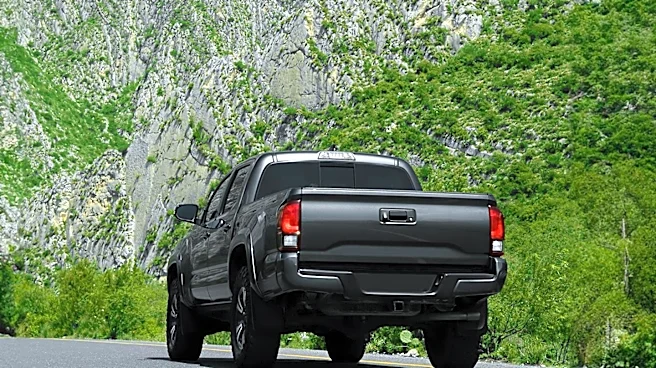
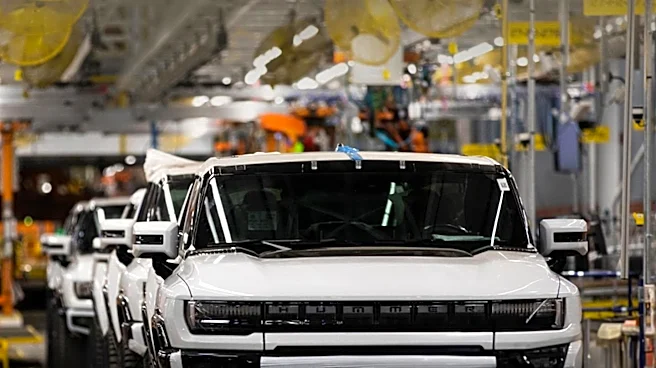
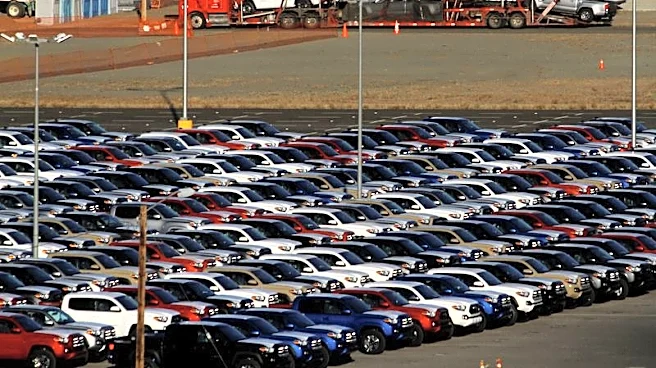
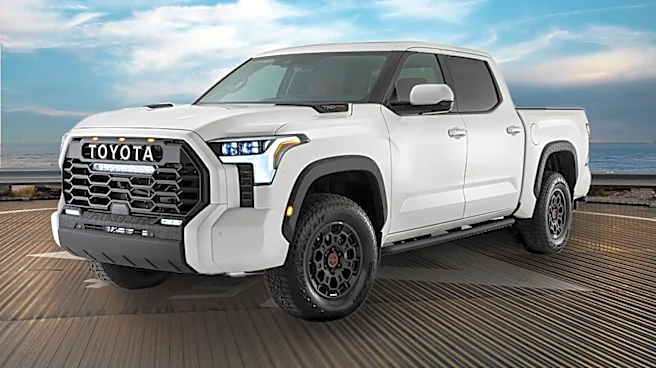
Toyota has announced a significant investment of $3.6 billion to expand its manufacturing plant in San Antonio, Texas. This expansion will facilitate the shift of Tacoma truck production from Baja, Mexico, back to the United States. The San Antonio facility
will see an addition of 2.5 million square feet, more than doubling its current size. This move is part of Toyota's strategy to consolidate Tacoma production in the U.S., which had been split between San Antonio and Mexican facilities until 2021. The current fourth-generation Tacoma has been exclusively produced in Mexico since 2024. The expansion is expected to be completed by 2030, at which point the facility will begin Tacoma production. This project will also create 2,000 new jobs, enhancing the local economy and workforce.
Why It's Important?
This strategic move by Toyota underscores a significant shift in manufacturing priorities, emphasizing the importance of U.S.-based production. By relocating Tacoma production to Texas, Toyota is not only investing in American manufacturing but also responding to potential geopolitical and economic pressures to reduce reliance on foreign production. The creation of 2,000 jobs will have a substantial impact on the local economy, providing new opportunities and potentially boosting the region's economic growth. Additionally, this move may influence other automakers to consider similar shifts, potentially reshaping the automotive manufacturing landscape in the U.S. The increased production capacity in San Antonio will also enhance Toyota's ability to meet demand for the Tacoma, a popular mid-size pickup in the American market.
What's Next?
The expansion project is set to unfold over the next four years, with completion targeted for 2030. During this period, Toyota will likely focus on construction and workforce development to support the new production line. Stakeholders, including local government and business leaders, may engage in discussions to maximize the economic benefits of this investment. Additionally, Toyota's decision could prompt other automakers to evaluate their production strategies, potentially leading to further investments in U.S. manufacturing facilities. As the project progresses, there may be increased scrutiny on Toyota's ability to deliver on its job creation promises and the overall impact on the local economy.