



What's Happening?
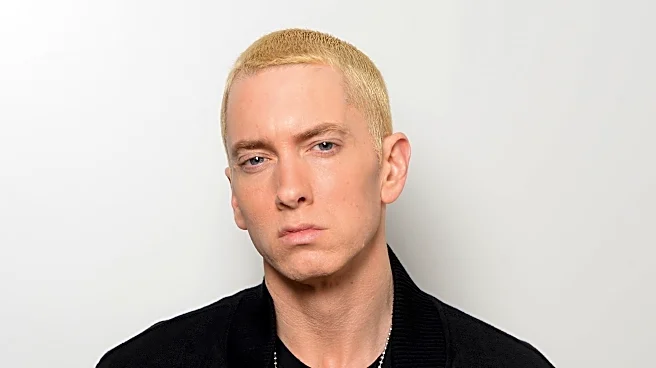
Eminem's co-publishers, Eight Mile Style and Martin Affiliated, have filed an amended complaint in their copyright infringement lawsuit against AI music generator Suno. The new filing, submitted on November 19 in the Northern District of California, adds
108 new examples of alleged infringing outputs. These examples are tied to 26 of the 269 compositions initially cited in the lawsuit, which was first filed on November 6. The publishers claim that these AI-generated tracks, made publicly available by Suno users, imitate Eminem's voice and use protected lyrics, sometimes verbatim, from his well-known songs such as 'Mockingbird,' 'Stan,' 'Without Me,' and 'The Real Slim Shady.' This amendment directly challenges Suno's previous statements that it prohibits prompts for specific artists or copyrighted songs and strips artist names from user requests. The publishers argue that if Suno's filters were effective, these alleged infringing tracks would not exist online. Eminem, whose real name is Marshall Mathers, is not a plaintiff in the lawsuit; the legal action is being pursued by the companies that control his publishing rights.
Why It's Important?
This amended lawsuit intensifies the ongoing legal battle between music rights holders and AI music generation platforms, highlighting critical issues surrounding copyright in the age of artificial intelligence. The addition of 108 specific examples directly challenges Suno's claims of having robust filtering mechanisms to prevent copyright infringement, potentially setting a precedent for how AI companies are held accountable for user-generated content. The case could significantly influence the development and deployment of AI music technologies, forcing platforms to implement more stringent safeguards or face substantial legal and financial repercussions. For the music industry, a favorable ruling for the publishers could strengthen copyright protections against AI misuse, ensuring artists and rights holders are compensated for their intellectual property. Conversely, if Suno prevails, it could open the door for broader use of copyrighted material in AI training and generation, potentially devaluing original creative works. The outcome will also impact licensing discussions and royalty structures for AI-generated music, shaping the future economic landscape for creators and technology companies alike.
What's Next?
The immediate next step in this legal proceeding will likely involve Suno responding to the amended complaint and the new evidence presented by Eminem's publishers. Suno will need to provide a detailed explanation for how the 108 alleged infringing tracks were generated despite its stated policies and filtering systems. The publishers have requested a jury trial, indicating a potentially lengthy and complex legal process. This case is part of a broader trend of litigation against AI music platforms, with major record labels having previously sued Suno over its training methods. The outcome of this specific lawsuit could influence other ongoing cases and future legal strategies adopted by both copyright holders and AI developers. Stakeholders, including other artists, music publishers, and AI companies, will closely monitor the proceedings, as the court's decision could establish significant legal precedents regarding AI's use of copyrighted material, training data, and the responsibility of AI platforms for user-generated content.
Beyond the Headlines
This lawsuit delves into the complex ethical and legal dimensions of AI's impact on creative industries. Beyond the immediate financial implications of the $40.35 million in statutory copyright damages sought, the case raises fundamental questions about originality, artistic integrity, and the definition of 'creation' in an AI-driven world. If AI can convincingly replicate an artist's voice and style, it challenges traditional notions of authorship and ownership. The dispute also highlights the tension between technological innovation and intellectual property rights, forcing a re-evaluation of existing copyright frameworks in the context of rapidly advancing AI capabilities. The outcome could either foster a more collaborative environment where AI tools assist human creativity within legal boundaries or lead to a more restrictive landscape where AI development is heavily regulated to protect existing creative works. This legal battle is not just about Eminem's songs; it's about defining the future relationship between artificial intelligence and the entire creative economy.