





What's Happening?
In a recent 'Gear Talk' podcast episode, flushing expert Larry Jordan of Conco Services discussed that equipment flushing is not a one-size-fits-all process. He explained that the appropriate flushing strategy depends on the type of contamination being
addressed, whether it's particulate matter, varnish, or a system conversion. Jordan emphasized that simply circulating oil through a filter cart might not be sufficient for effective cleaning. He detailed the differences between particulate flushing, varnish mitigation, and conversion flushing, highlighting the importance of factors like flow velocity, turbulence, and the Reynolds number. For particulate removal, Jordan targets a Reynolds number of at least 10,000. He also noted that critical components such as bearings and servo valves often need to be bypassed during high-velocity flushes to prevent damage. The discussion underscored that equipment history and oil analysis should guide the flushing plan, and specialized flushing providers can offer significant benefits.
Why It's Important?
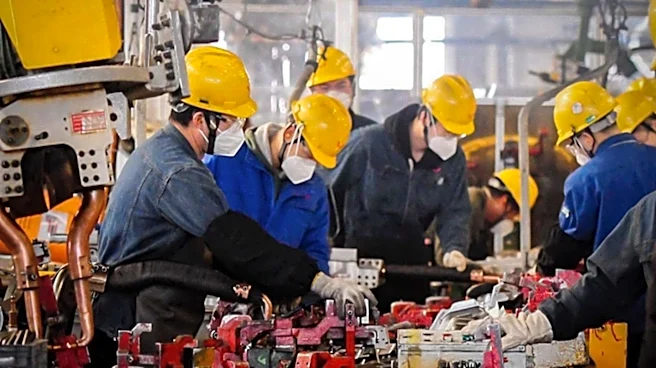
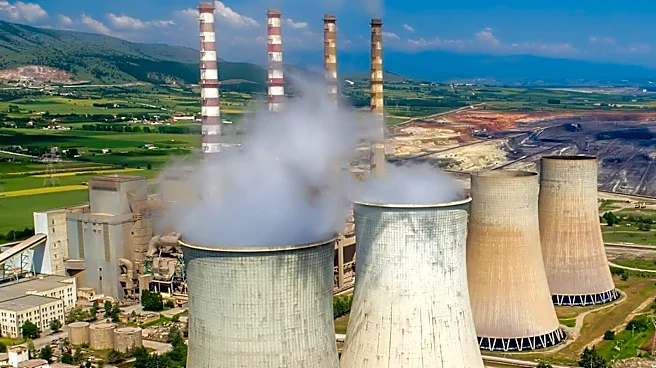
The insights provided by Larry Jordan are crucial for industries heavily reliant on machinery and equipment, such as manufacturing, energy, and transportation, which are vital components of the U.S. economy. Improper flushing can lead to premature equipment failure, increased maintenance costs, and significant downtime, impacting productivity and profitability. Understanding the nuances of different flushing techniques allows businesses to implement more effective maintenance strategies, extending the lifespan of their machinery and ensuring operational reliability. This knowledge helps prevent costly repairs and replacements, contributing to better asset management and overall operational efficiency. For U.S. industries, adopting these specialized flushing approaches can translate into substantial savings and improved competitive advantage by minimizing disruptions and optimizing equipment performance.
What's Next?
Industries and maintenance professionals are expected to increasingly adopt more tailored and sophisticated equipment flushing strategies based on the specific contaminants and system requirements. This will likely involve greater reliance on detailed oil analysis and equipment history to inform flushing decisions. There may be a growing demand for specialized flushing services and technologies that can achieve the necessary flow velocities and turbulence for effective contaminant removal. Training programs for maintenance personnel may also evolve to include more in-depth knowledge of various flushing techniques and their applications. Equipment manufacturers might also integrate design features that facilitate more effective flushing procedures, further enhancing the longevity and reliability of industrial machinery.
Beyond the Headlines
The discussion on equipment flushing extends beyond mere maintenance practices; it touches upon the broader principles of industrial reliability engineering and asset management. The emphasis on understanding the specific nature of contamination and tailoring solutions highlights a shift towards more data-driven and scientific approaches in industrial upkeep. This precision in maintenance can lead to significant environmental benefits by reducing waste oil and the need for frequent component replacements, aligning with sustainability goals. Furthermore, the expertise required for effective flushing underscores the value of specialized technical skills in the workforce, pointing to a need for continuous professional development and the potential for niche service providers to thrive. This specialized knowledge contributes to the overall resilience and efficiency of the U.S. industrial base.