




What's Happening?
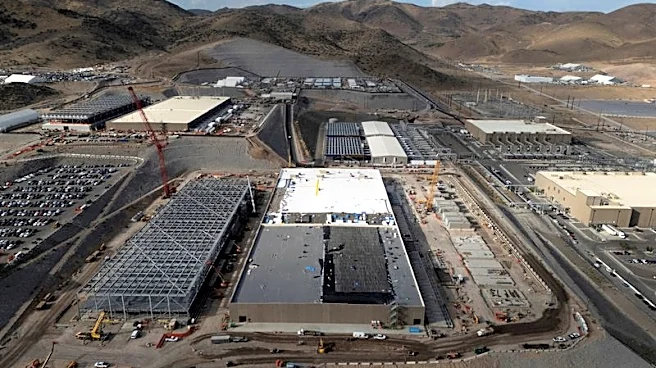
Southern Company, a major energy provider serving 9 million customers across the Southeast, is experiencing a significant challenge in meeting the power demands of new data center contracts. The company is signing these contracts at a faster rate than
it can generate the necessary capacity. This situation has led to a policy where customers are required to pay for power even if they do not fully utilize it. Southern Company operates electric and natural gas distribution companies in multiple states, a competitive generation company, and a fiber optics network with telecommunications services. The company has publicly committed to innovation, resilience, and sustainability, with a long-term goal of achieving net-zero greenhouse gas emissions by 2050. Despite its growth, the rapid influx of data center agreements is straining its current infrastructure and generation capabilities, necessitating adjustments in its operational and billing strategies to manage the increased demand.
Why It's Important?
This development is significant for the U.S. energy sector and the burgeoning data center industry. For Southern Company, it highlights the immense pressure on existing energy infrastructure to keep pace with the rapid expansion of digital services and data storage needs. The policy requiring customers to pay for unused power could impact the financial models of data center operators, potentially increasing their operational costs and influencing their location decisions. This situation also underscores a broader national challenge: how utility companies can rapidly scale their generation and transmission capabilities to support the energy-intensive demands of modern technology. It could lead to increased investment in new power generation projects, grid modernization, and potentially, a reevaluation of energy pricing structures for high-demand industrial customers. The outcome will affect both energy providers and technology companies relying on stable and scalable power supplies.
What's Next?
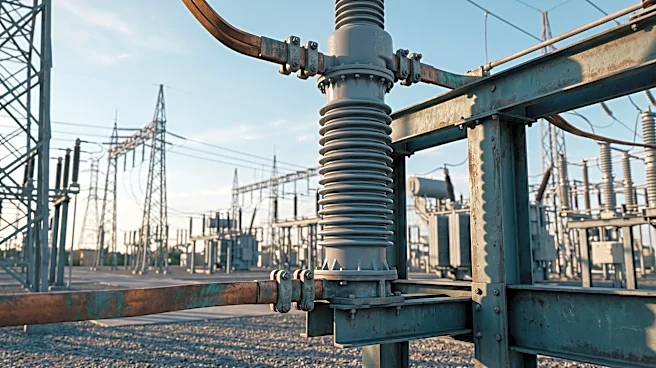
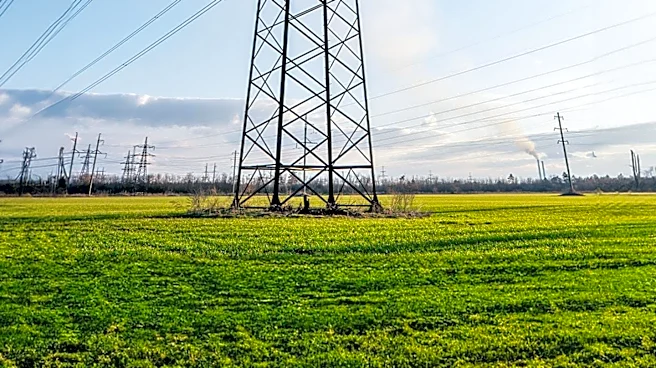
Southern Company will likely need to accelerate its efforts to expand generation capacity and upgrade its infrastructure to accommodate the growing demand from data centers. This could involve significant capital investments in new power plants, renewable energy sources, and transmission line improvements. The company may also explore innovative solutions for energy management and efficiency to bridge the gap between supply and demand. Data center operators, in turn, might seek more flexible power purchasing agreements or explore alternative energy solutions, such as on-site generation or microgrids, to mitigate the financial impact of paying for unused capacity. Regulatory bodies may also become involved to ensure fair pricing and reliable service as the energy landscape evolves to support the digital economy. The situation could also prompt discussions about energy policy and incentives for infrastructure development to support critical technological growth.
Beyond the Headlines
The challenge faced by Southern Company reflects a broader trend where the digital economy's rapid growth is outstripping traditional infrastructure capabilities. This situation raises ethical questions about resource allocation, particularly concerning energy-intensive industries like data centers versus residential and other commercial needs. It also highlights the environmental implications, as increased power generation, even from renewable sources, has an ecological footprint. The 'pay-even-if-unused' policy could spark debates about fairness and efficiency in energy markets, potentially leading to new regulatory frameworks or contractual standards. Long-term, this could accelerate the push for more sustainable and localized energy solutions, as well as advanced grid management technologies, to create a more resilient and adaptable energy system capable of supporting future technological advancements without compromising environmental goals.