








What's Happening?
Renowned American tennis coach Rick Macci, who famously coached Serena and Venus Williams in their youth, has issued a stark warning regarding the escalating injury rates in professional tennis. Macci asserts that the sport has become increasingly 'violent'
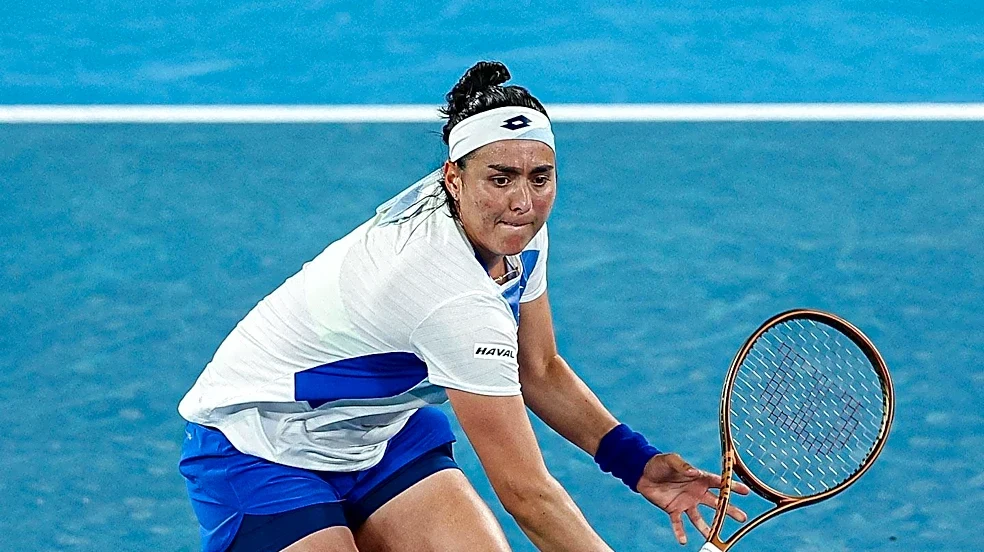
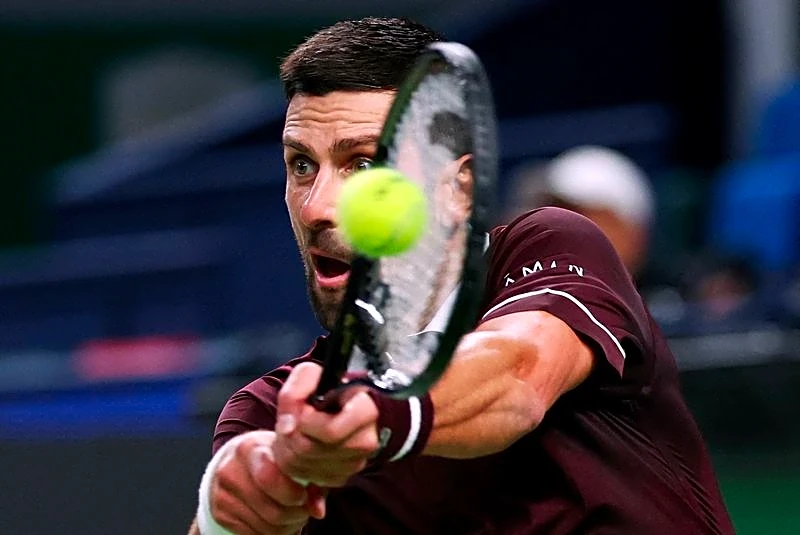
due to the extreme physical demands placed on players. Modern tennis requires unprecedented levels of acceleration, slides, and rapid changes in direction, leading to a surge in player injuries. He describes the ATP Tour as 'pinball on steroids,' highlighting the constant, high-speed movement players must execute across the court. This evolution forces players to develop an extraordinary capacity for physical improvisation, constantly changing direction, rotating, accelerating, stretching, and recovering to chase down balls. Macci's concerns extend beyond established professionals to younger generations, who he believes are mimicking these physically demanding styles, potentially leading to early injuries. He suggests that players are now compelled to momentarily lose balance, slide at full speed, or abruptly change direction to reach balls, contributing to the rising injury toll.
Why It's Important?
The increasing injury rate in professional tennis, as highlighted by Rick Macci, carries significant implications for the sport's future and its athletes. For players, it means shorter careers, increased physical suffering, and potentially long-term health issues. The financial impact on players can be substantial, as injuries often lead to missed tournaments, loss of prize money, and costly medical treatments and rehabilitation. For the sport itself, a high injury rate could diminish the quality of play, as top athletes are frequently sidelined, and could deter new talent from pursuing professional careers due to the perceived physical risks. Sponsors and broadcasters might also be affected if key players are consistently absent from major events, potentially impacting viewership and engagement. Furthermore, the trend influences coaching methodologies and training regimens, pushing for more emphasis on injury prevention and physical conditioning, which could reshape how young athletes are developed in the sport. The 'violent' nature of modern tennis, as described by Macci, suggests a need for a reevaluation of game rules, court surfaces, or equipment to mitigate the physical toll on players.
What's Next?
Following Rick Macci's public statements, there could be increased pressure on tennis governing bodies, such as the ATP and WTA Tours, to investigate and address the rising injury concerns. This might lead to discussions about potential rule changes aimed at reducing the physical strain on players, such as adjustments to court speeds or match formats. Medical and sports science professionals within tennis organizations may be tasked with conducting further research into injury prevention strategies and developing more effective rehabilitation programs. Coaches and academies, particularly those working with junior players, might re-evaluate their training methods to prioritize long-term player health over immediate performance gains, potentially focusing more on foundational physical development and injury-resistant techniques. Player associations could also become more vocal in advocating for better player welfare and support systems. The conversation initiated by Macci could also prompt a broader dialogue within the tennis community about the balance between athletic spectacle and player well-being, potentially influencing future directions for the sport's development.
Beyond the Headlines
Rick Macci's observations about the 'violent' nature of modern tennis touch upon deeper ethical and cultural dimensions within professional sports. The relentless pursuit of peak performance and entertainment often pushes athletes to their physical limits, raising questions about the responsibility of sports organizations to protect their competitors. The pressure on young athletes to emulate the physically demanding styles of top professionals, even at the risk of injury, highlights a potential systemic issue where short-term success is prioritized over long-term health. This trend could lead to a generation of athletes facing chronic health problems post-career. Culturally, the emphasis on spectacular, high-intensity play, while thrilling for audiences, may inadvertently normalize and even encourage dangerous physical exertion. This situation prompts a re-examination of the values embedded in professional sports: is the ultimate goal to entertain at all costs, or to foster sustainable athletic careers? The discussion could also extend to the role of technology in sports, as advancements in equipment and training might inadvertently contribute to the increased physical demands, creating a cycle where athletes must constantly push boundaries to remain competitive.