



What's Happening?
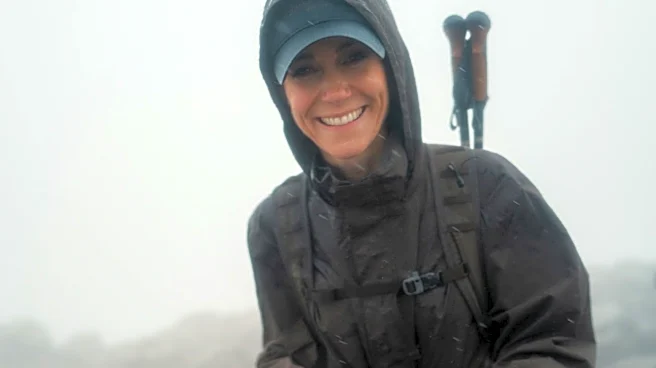
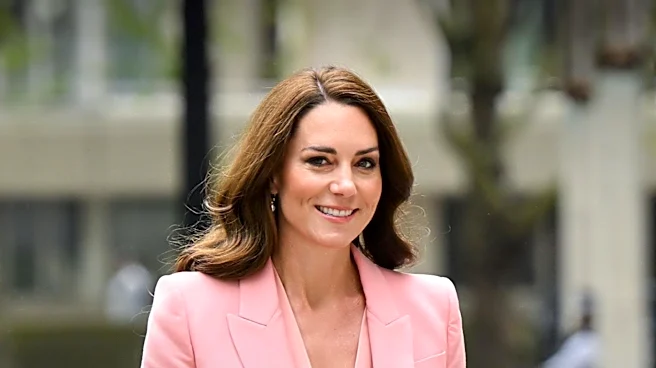
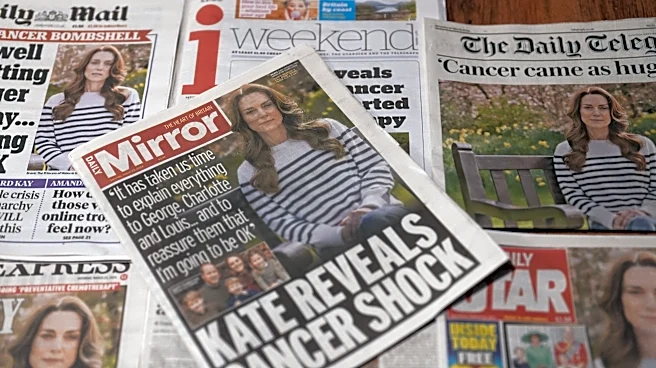
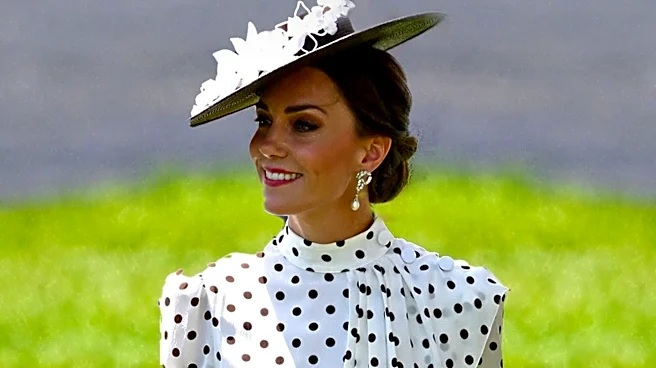
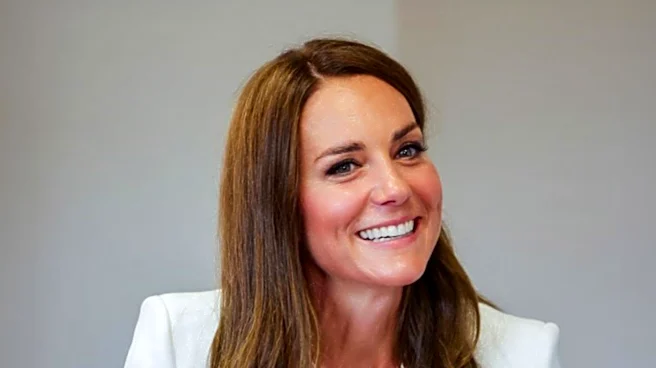
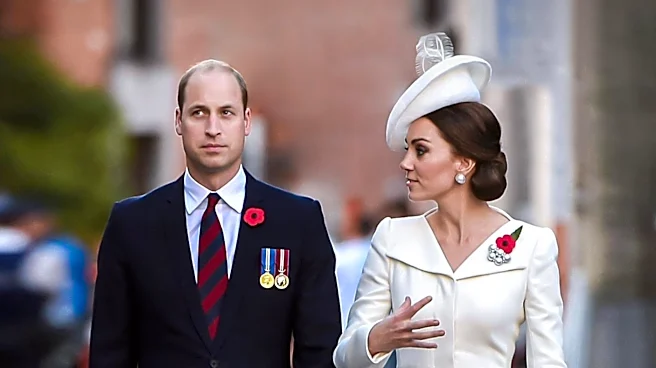
Kate Middleton, the Princess of Wales, has openly discussed her ongoing recovery from cancer in a special edition of Country Life magazine. She revealed that medical professionals informed her that her recovery would not be 'linear,' with both 'good and
bad days' expected, emphasizing that healing takes time. Middleton drew parallels between her recovery process and nature, highlighting the importance of rest, reflection, and renewal alongside growth. She described nature as her 'sanctuary' and stressed the significance of a holistic approach to human well-being during illness and recovery. The Princess also shared her concerns about the increasing anxiety among young people, attributing it to their heightened online presence and technological connectivity. She underscored the importance of fostering a strong sense of belonging, connection, and emotional security in children as they navigate an increasingly digital world. The interview was published in an edition of Country Life guest-edited by Prince William and included a drawing by Prince George.
Why It's Important?
This interview offers a rare and personal insight into Kate Middleton's health journey, providing a relatable perspective on the challenges of cancer recovery. Her public discussion of the non-linear nature of healing can resonate with many individuals facing similar health battles, potentially fostering a sense of shared experience and reducing feelings of isolation. Furthermore, her focus on the mental health of young people, particularly in the context of digital engagement, highlights a growing societal concern. As a prominent public figure, her advocacy can draw significant attention to the need for robust support systems for youth mental well-being and encourage broader conversations among parents, educators, and policymakers. Her emphasis on nature as a therapeutic tool also promotes a holistic view of health, which could influence public perception and encourage engagement with natural environments for well-being.
What's Next?
Following the publication of the interview, Kate Middleton undertook a work visit to Chase Community Hospital in Hampshire. This visit was part of her ongoing commitment to early childhood development, where she observed a project supported by her Royal Foundation Centre for Early Childhood. During her visit, she engaged with healthcare professionals utilizing the 'Alarm Distress Baby Scale' (ADBB), a scientifically validated tool designed to identify early social and relational withdrawal in infants aged 0 to 24 months. This engagement signals her continued dedication to her early years initiatives, which aim to strengthen the professional workforce supporting young children and assist parents and caregivers in promoting the social and emotional development of infants. Future engagements are likely to continue focusing on these areas, leveraging her platform to advocate for early childhood interventions and mental health support.
Beyond the Headlines
Kate Middleton's decision to share her personal health struggles publicly carries significant weight beyond immediate news cycles. It contributes to destigmatizing cancer and chronic illness, encouraging open dialogue and empathy. Her candidness about the emotional and physical toll of recovery can empower others to seek support and acknowledge their own vulnerabilities. Moreover, her linking of personal recovery with the restorative power of nature subtly promotes environmental awareness and the benefits of connecting with the outdoors for mental and physical health. Her concerns about youth anxiety in a digital age also touch upon broader societal challenges related to technology's impact on development and well-being, potentially sparking deeper discussions about digital literacy, screen time, and the cultivation of emotional resilience in younger generations. This public discourse from a royal figure can influence cultural norms and policy considerations regarding public health and child development.