




What's Happening?
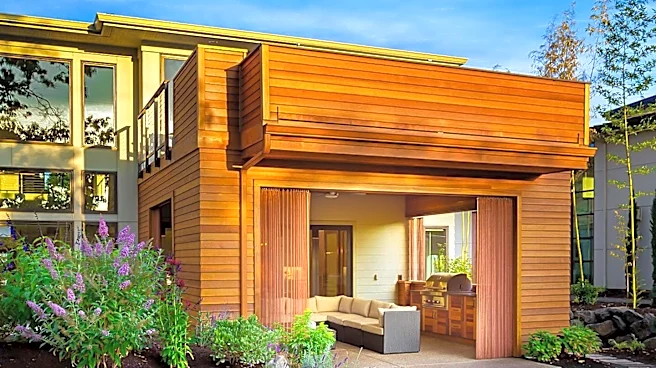
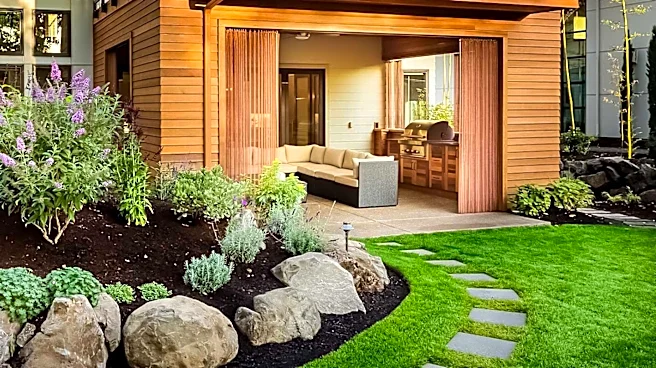
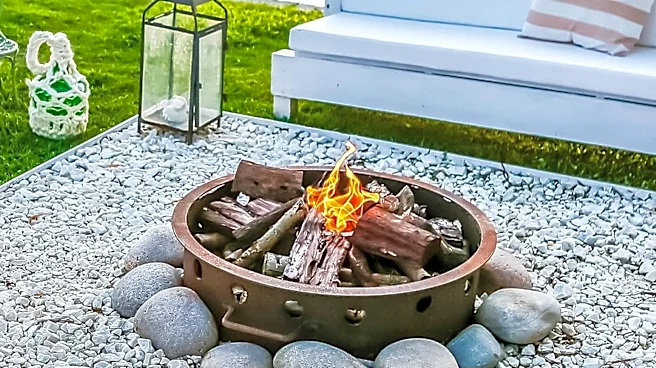
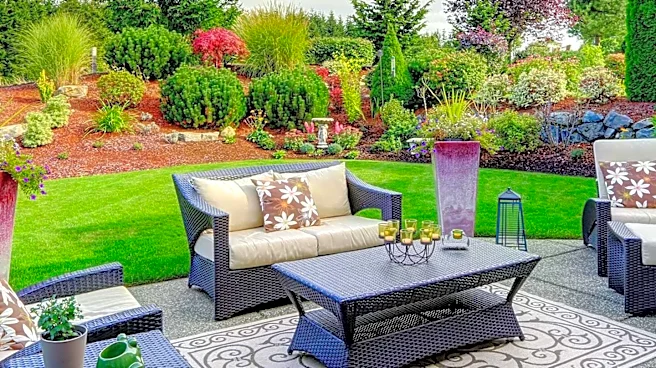
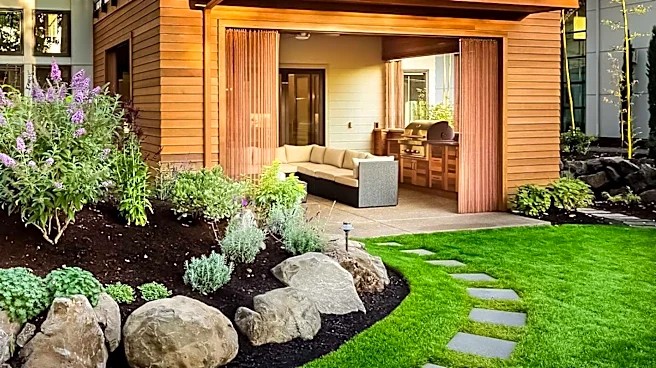
Designing effective garden seating areas involves integrating plants to define space and enhance comfort, according to Anne Balogh, a longtime gardening writer and editor for Garden Design. Plants, such as low shrubs, ornamental grasses, or layered container
groupings, can outline seating areas, soften hardscape edges, and visually ground furniture without creating a boxed-in feeling. The choice of plants should include those with movement or seasonal interest, like billowy grasses or scented herbs, to ensure the area feels alive year-round. For optimal viewing from a patio chair, containers should be approximately knee-high. Privacy can be achieved by using hedges, ornamental grasses, or vine-covered trellises to screen unwanted views while maintaining a sense of openness. Tall containers with trellises or freestanding lattice panels offer quicker seasonal screening. The overall goal is to create a welcoming, functional, and integrated seating space that encourages relaxation and enjoyment of the outdoor environment.
Why It's Important?
The thoughtful design of garden seating areas holds significant importance for U.S. homeowners, impacting both property value and quality of life. Well-designed outdoor spaces extend living areas, providing opportunities for relaxation, entertainment, and connection with nature. This focus on integrating plants for privacy and aesthetic appeal addresses a common desire for tranquil and secluded retreats within residential properties. By emphasizing comfort and visual harmony, these design principles can transform underutilized backyard spaces into valuable assets. For the landscape design industry, this highlights a growing demand for holistic outdoor living solutions that blend functionality with natural beauty, potentially driving innovation in plant selection, furniture design, and sustainable landscaping practices. Homeowners stand to gain from increased enjoyment of their properties and potentially higher resale values.
What's Next?
The trend towards creating integrated and comfortable garden seating areas is expected to continue, with a focus on personalized and sustainable solutions. Consumers may seek out more diverse plant options that offer year-round interest and require less maintenance. The market for outdoor furniture and accessories designed to complement natural settings is also likely to expand. Landscape designers and architects will continue to innovate, incorporating elements like smart lighting, weather-resistant materials, and drought-tolerant plantings to enhance the usability and sustainability of outdoor spaces. Educational resources and workshops on garden design principles, particularly those emphasizing plant integration and privacy, could see increased demand as homeowners look to create their own backyard havens.
Beyond the Headlines
Beyond the immediate benefits of comfort and aesthetics, the emphasis on integrating plants into garden seating areas reflects a deeper societal appreciation for biophilic design—the practice of connecting people and nature within built environments. This approach can have profound psychological benefits, reducing stress and improving overall well-being. By creating spaces that feel alive and connected to the natural world, these designs foster a sense of tranquility and escape from the demands of modern life. The use of plants for privacy also speaks to a desire for personal sanctuary and a retreat from the constant digital connectivity, promoting mindfulness and a return to simpler pleasures. This trend underscores a growing recognition of the therapeutic power of nature and its essential role in creating harmonious living spaces.