






What's Happening?
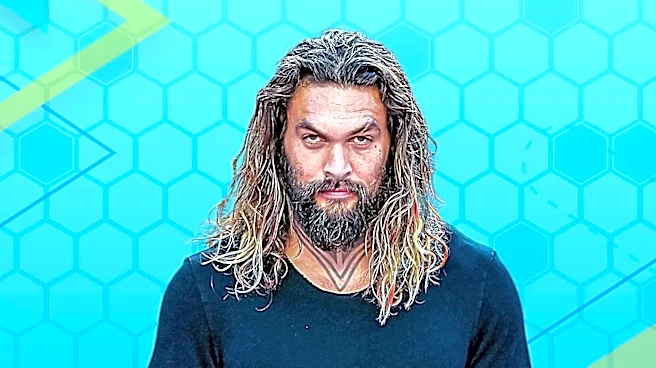
Actor Jason Momoa has publicly stated that he declines requests for photographs or conversations from fans when he is spending private time with his family. This decision, highlighted in a recent appearance on the At The Bar podcast, underscores his commitment
to protecting his personal life and the privacy of his children and partner, Adria Arjona. Momoa, who shares two children with Lisa Bonet, emphasized that his time with family is limited and he prioritizes these moments over public engagements. He has indicated that he verbally instructs fans to leave when approached during these private outings, maintaining a firm stance against social interactions or photo opportunities.
Why It's Important?
This stance by Jason Momoa is significant as it reflects a broader trend among high-profile figures in Hollywood to establish clear boundaries between their public personas and private lives. In an era of pervasive fan culture and constant digital connectivity, celebrities are increasingly asserting their right to personal space and privacy, especially when it involves their families. This move challenges the traditional expectation that celebrities should always be accessible to their fans. It highlights the mental and emotional toll that constant public scrutiny can take, and the necessity for public figures to actively manage their personal well-being. For fans, it sets a new precedent, encouraging a more respectful approach to celebrity encounters and a greater understanding of the need for personal boundaries.
What's Next?
This public declaration by Jason Momoa is likely to influence how fans and the media interact with him and potentially other celebrities in similar situations. It could lead to increased awareness and respect for the personal boundaries of public figures. Other celebrities might follow suit, openly communicating their own expectations regarding fan interactions during private moments. For the entertainment industry, this could spark further discussions about the evolving dynamics between stars and their audiences, potentially leading to new guidelines or norms for fan engagement. Fans who encounter Momoa in public with his family should anticipate a refusal for photos or interactions, aligning with his stated policy.
Beyond the Headlines
Momoa's decision delves into the ethical and cultural dimensions of celebrity and privacy in the digital age. It raises questions about the perceived 'ownership' fans feel over public figures and the societal expectations placed on those in the spotlight. This assertion of privacy by a prominent actor could contribute to a long-term shift in how society views and respects the personal lives of celebrities. It underscores the importance of mental health and personal well-being, even for those with highly visible careers. The move also highlights the challenges of balancing a demanding public career with the desire for a normal family life, prompting a re-evaluation of what constitutes appropriate fan behavior and the responsibilities of public figures to themselves and their loved ones.