




What's Happening?
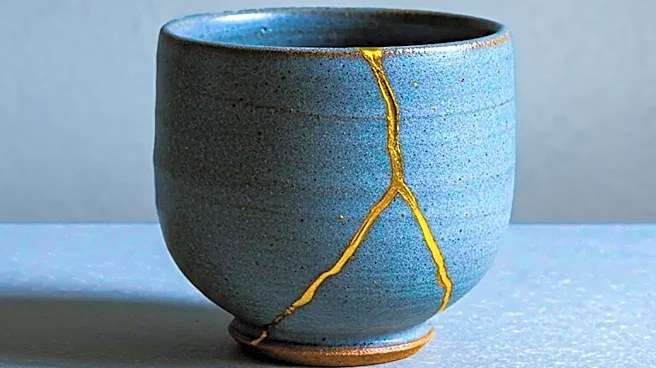
Wabi-sabi, a Japanese philosophy, is increasingly being recognized for its emphasis on finding aesthetic value in imperfect, impermanent, and simple things. This concept celebrates the beauty of natural wear, asymmetry, and the marks of time and human
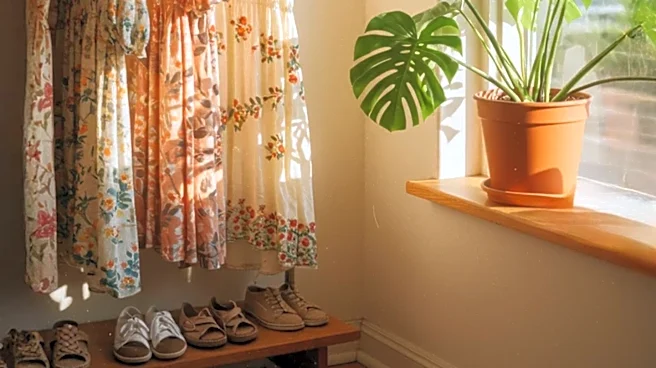
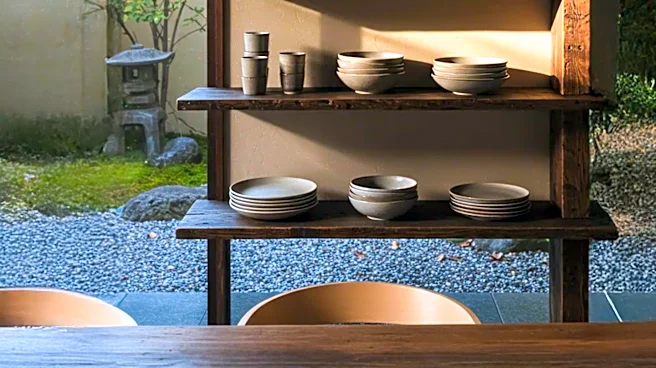
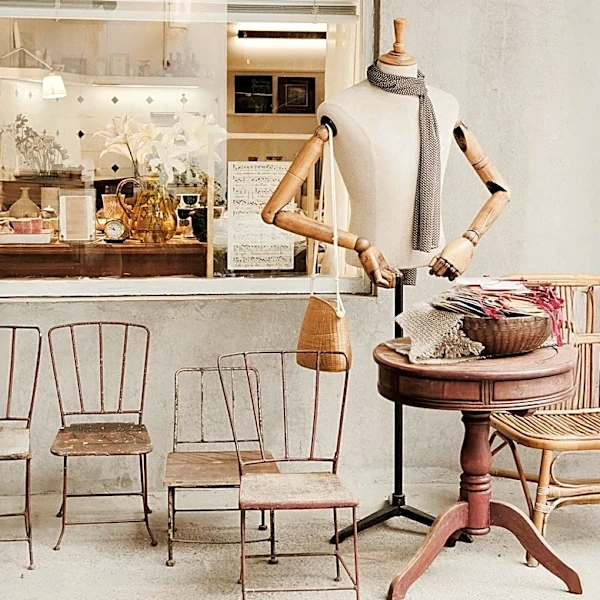
touch. For instance, in food photography, applying wabi-sabi principles might mean including crumbs on a table or slight asymmetry to convey a sense of lived experience rather than sterile perfection. The philosophy encourages a departure from rigid perfectionism, embracing the inherent character that develops as objects age. It is often contrasted with design styles like Japandi, which, while also minimalist, focuses more on clean lines and functional order, whereas wabi-sabi prioritizes a grounded, soulful, and slightly raw feeling.
Why It's Important?
The growing interest in wabi-sabi in the U.S. signifies a potential shift in consumer values and design preferences. In a society often driven by mass production and the pursuit of flawless, new items, wabi-sabi offers an alternative that values authenticity, sustainability, and the unique story of an object. This philosophical shift can influence various industries, from interior design and furniture manufacturing to art and even food presentation. For businesses, understanding and incorporating wabi-sabi principles can open new market segments seeking products that embody natural beauty, craftsmanship, and a sense of history. For individuals, embracing wabi-sabi can lead to more mindful consumption and the creation of living spaces that promote tranquility and a deeper connection to the natural world.
What's Next?
As awareness of wabi-sabi grows, it is likely to be integrated into more aspects of American culture and commerce. We may see an increase in demand for handcrafted goods, vintage items, and products made from natural, minimally processed materials. Designers might continue to explore how to blend wabi-sabi with other popular styles, such as minimalism, to create unique and appealing aesthetics. Retailers could start curating collections that highlight the imperfect and unique qualities of items. Furthermore, the philosophy's emphasis on impermanence and simplicity could encourage a broader cultural conversation about consumerism and the pursuit of perfection, potentially leading to more sustainable and appreciative lifestyle choices.
Beyond the Headlines
Beyond its aesthetic applications, wabi-sabi offers a profound philosophical lens through which to view life. It encourages acceptance of transience, imperfection, and the natural cycles of growth and decay. In a fast-paced, often stressful world, this philosophy can provide a framework for finding peace and beauty in everyday life, fostering resilience and a more contemplative mindset. It challenges the Western ideal of constant improvement and flawless presentation, suggesting that true beauty often lies in what is worn, weathered, and unique. This could lead to a more compassionate and less judgmental approach to personal appearance, aging, and the perceived flaws in our surroundings, promoting a deeper sense of contentment and authenticity.