







What's Happening?
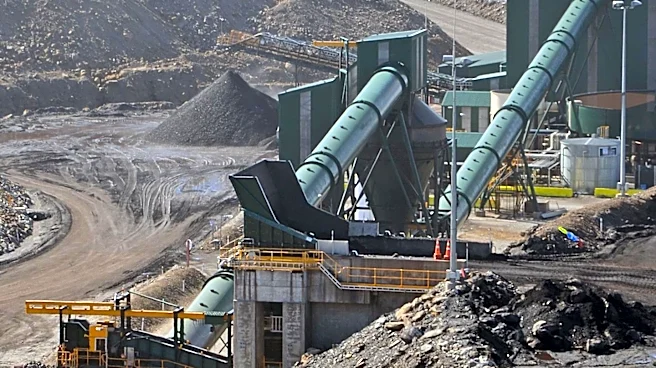
MP Materials Corp. (NYSE:MP), the operator of the Mountain Pass rare earth site in California, is scheduled to report its quarterly results after the market closes on Thursday in early November. The company will post a press release and slide presentation
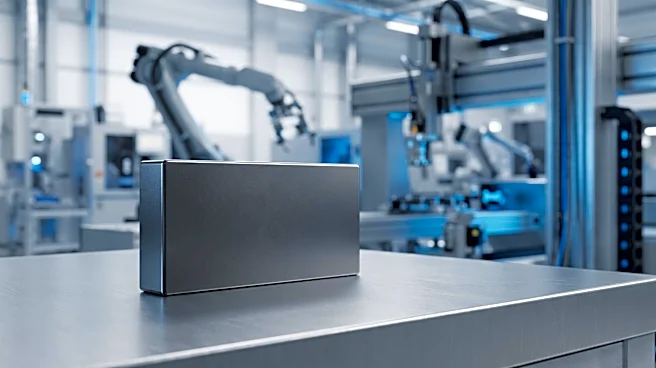
on its website before a webcast call. This report follows a challenging period for rare earth equities in late October. MP Materials has been actively expanding its operations, with its Independence facility in Fort Worth, Texas, commencing the manufacturing of neodymium-iron-boron permanent magnets last December. The company has already delivered magnets to General Motors for in-vehicle qualification and regulatory testing, with commercial shipments anticipated to begin in the year-end quarter, albeit at modest initial volumes. This timeline was reiterated by management at a September industrial conference. The company's mid-year revenue nearly doubled from the previous year, despite reporting an operating loss due to significant investments in magnet production capacity.
Why It's Important?
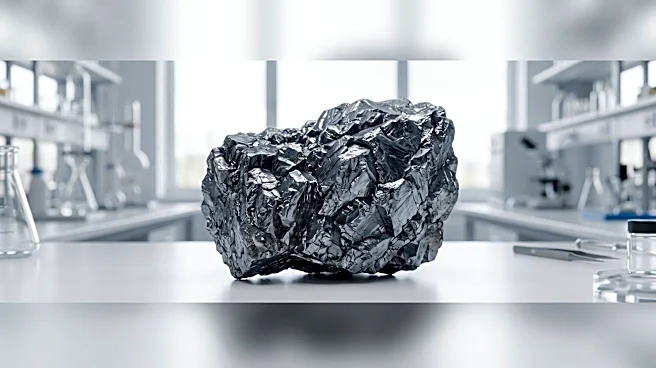
This quarterly report is crucial for MP Materials as it transitions from primarily supplying rare earth concentrate to Chinese refiners to becoming an integrated materials producer, including finished magnets. This strategic shift aims to increase the value derived per ton of ore but also introduces greater operational complexity, requiring additional equipment, labor, and stringent quality control. The commencement of commercial magnet shipments to General Motors signifies a critical step in establishing a domestic supply chain for these essential components, which are vital for electric vehicles, wind turbines, and defense systems. The U.S. has been working to reduce its reliance on foreign sources for rare earth materials, and MP Materials' progress in this area directly supports national economic and security interests. Investor sentiment, as indicated by a high short interest of 20.35% of shares outstanding, suggests skepticism regarding the company's ramp-up and profitability, making this earnings report a key indicator of its future trajectory.
What's Next?
Following the release of its quarterly results, MP Materials will host a webcast call to discuss its performance and provide updates on its strategic initiatives. Investors and industry observers will be closely watching for details on the progress of commercial magnet deliveries to General Motors and the financial implications of its expanded operations. The company is also expanding its separation capabilities at Mountain Pass to produce heavy rare earths like dysprosium and terbium, which are critical for high-temperature magnets and have been subject to Chinese export controls. Updates on the commissioning of these facilities are expected during the call. The company's chief financial officer previously compared its ramp-up to that of Lynas Rare Earths, an Australian producer, highlighting the long learning curves involved in rare earth processing and the time required for yield, consistency, and customer qualification. Future discussions may also address the company's relationship with Apple, as mentioned in its filings, and its ability to scale facilities to meet long-term agreements.
Beyond the Headlines
MP Materials' efforts to establish a fully integrated rare earth supply chain in the U.S. have broader implications beyond its immediate financial performance. This initiative is a cornerstone of the U.S. strategy to secure critical minerals and reduce dependence on geopolitical rivals, particularly China, which currently dominates the rare earth market. The development of domestic magnet production capacity is vital for national security, as these magnets are essential for advanced defense systems. Furthermore, it supports the growth of the U.S. electric vehicle industry and renewable energy sector, aligning with broader climate and economic goals. The challenges faced by MP Materials, such as the long learning curves in rare earth processing and the need for significant capital investment, underscore the complexities of re-establishing such an industry. Success in this endeavor could set a precedent for other critical material supply chains, fostering greater economic resilience and technological independence for the United States.