





What's Happening?
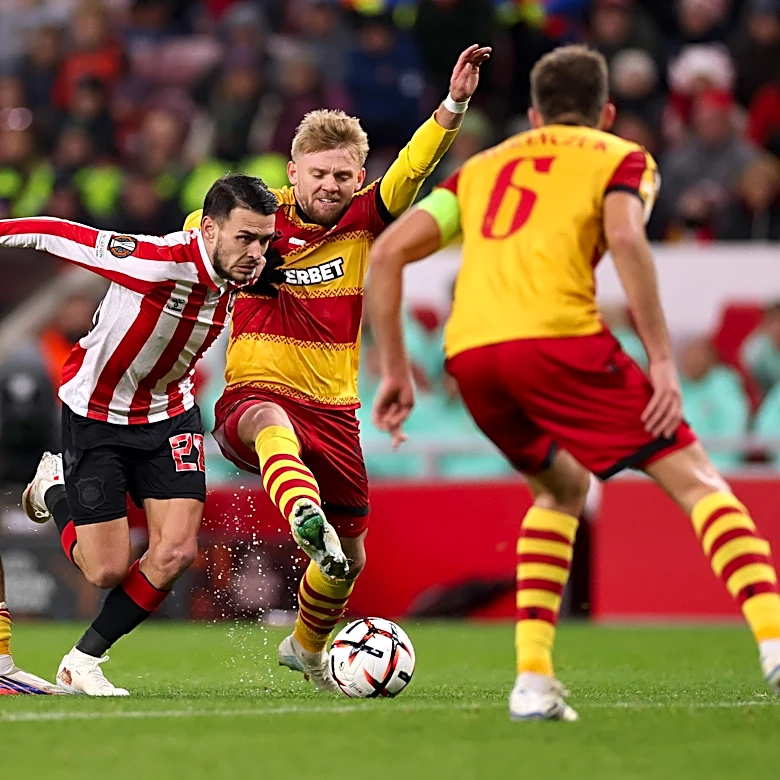
The football clubs BK Olympic and Malmö FF have officially paused their five-season collaboration. This decision follows a period where fewer Malmö FF players were featured in Olympic's starting lineup during 2026. The partnership, which began when BK Olympic advanced
to Ettan in the 2022 season, involved Malmö FF loaning players to Olympic and funding their head coach. Ahmed Chahrour, Sports Director at BK Olympic, stated that the club will operate independently for the upcoming year before re-evaluating future collaborations. Niklas Söderström, CEO of Malmö FF, indicated that the recent period of their partnership had not been 'one hundred percent satisfactory.' Sports journalist Patrick Ekwall described the decision as 'reasonable,' suggesting that Malmö FF would save funds, and Olympic, known for its youth development, might attract interest from other clubs for new partnerships, potentially across the Öresund Strait.
Why It's Important?
This development signifies a shift in strategy for both BK Olympic and Malmö FF, impacting player development pathways and financial arrangements within Swedish football. For BK Olympic, the pause means a greater emphasis on self-sufficiency and potentially forging new alliances, which could alter their competitive standing and player recruitment strategies. Malmö FF's decision to withdraw funding and player loans suggests a re-evaluation of their investment in partner clubs, possibly to reallocate resources or focus on internal talent development. The financial implications are significant, as Malmö FF will save funds previously allocated to Olympic, while Olympic will need to secure alternative funding and player sources. This move could also influence other clubs in Ettan and Allsvenskan to reconsider their own collaboration models, potentially leading to a restructuring of how larger and smaller clubs interact in player development and financial support.
What's Next?
For the immediate future, BK Olympic will operate independently for the next year, focusing on their own development and management. This period will likely involve seeking new financial partners or alternative player acquisition strategies to maintain competitiveness. Malmö FF will continue to manage its resources, potentially re-investing the saved funds into its own youth academy or other strategic areas. The situation also opens the door for BK Olympic to explore new collaborations with other clubs, possibly from Denmark, as suggested by Patrick Ekwall. The performance of both clubs in the upcoming season, particularly BK Olympic's ability to thrive without Malmö FF's direct support, will be closely watched and could influence future decisions regarding their respective long-term strategies. The broader impact on player transfers and loan agreements within Swedish football will also unfold as clubs adapt to this change.
Beyond the Headlines
The termination of this long-standing partnership highlights the evolving dynamics between larger, financially robust clubs and smaller, developmental clubs in professional football. It underscores the inherent challenges in maintaining mutually beneficial collaborations over extended periods, especially when the perceived benefits or strategic alignments shift. This situation could prompt a broader discussion within Swedish football about the sustainability of such partnerships and the optimal models for player development and financial support across different league tiers. It also raises questions about the long-term impact on player careers, as young talents might need to navigate different pathways to professional football. The decision reflects a pragmatic approach by both clubs to prioritize their individual strategic objectives, potentially signaling a trend towards more independent operations or a redefinition of partnership terms in the future.