






What's Happening?
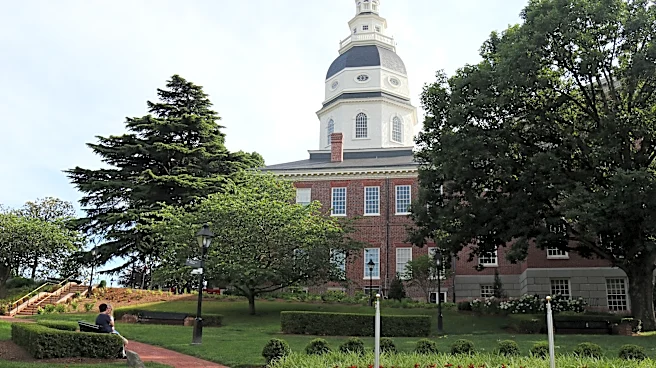
Governor Wes Moore of Maryland has signed an executive order aimed at boosting the state's forestry industry by promoting the use of locally grown and harvested wood in publicly funded construction projects. This directive, which aligns with the Maryland Sustainable
Forestry Act of 2009, is intended to create market opportunities within the resource-based industry, which supports approximately 18,000 jobs and generates an annual economic impact of $4 billion. The order has been praised by industry advocates and organizations, including the American Loggers Council, as a model for supporting domestic wood use. The initiative is expected to benefit rural Maryland by increasing demand for local wood products, potentially leading to industry expansion and innovation.
Why It's Important?
The executive order is significant as it addresses the decline in Maryland's forestry industry, which has seen a reduction in the number of sawmills and job losses due to past mill closures. By prioritizing local wood, the order aims to strengthen the supply chain and support local businesses, from sawmills to loggers. This move could lead to increased investment in rural areas and support the development of advanced wood technologies, such as wood-fueled thermal heating systems and next-generation building materials. The initiative also aligns with environmental goals by promoting sustainable forestry practices and reducing reliance on out-of-state resources.
What's Next?
The establishment of the Forest Markets Council, as recommended by the Economic Adjustment Strategy, will be a key next step. This council will include government agencies and forestry stakeholders to further discuss and implement strategies for industry growth. The council's efforts will focus on educating the public about Maryland's wood products, encouraging innovation, and enhancing market opportunities. Additionally, the executive order may inspire similar policies at the national level, promoting the use of domestic wood across the United States.
Beyond the Headlines
The executive order could have long-term implications for Maryland's economy and environment. By fostering a robust local forestry industry, the state can ensure the health of its forests and contribute to the Chesapeake Bay watershed's well-being. The focus on innovative wood products also positions Maryland as a leader in sustainable building practices, potentially influencing national trends in construction and energy use.