







What's Happening?
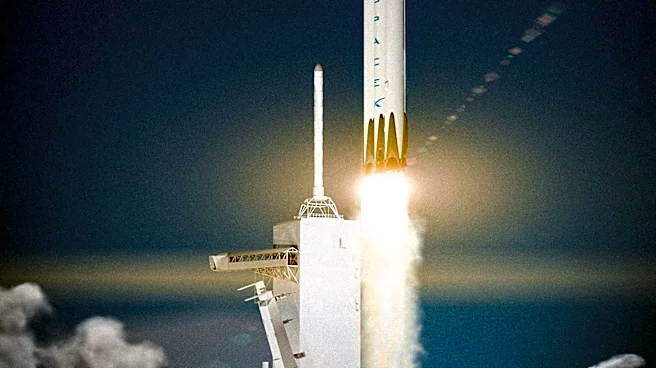
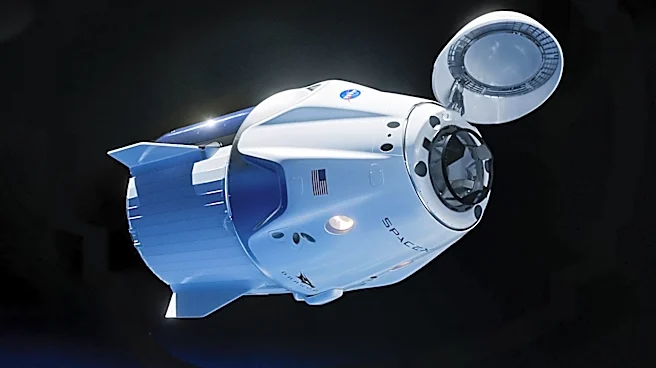
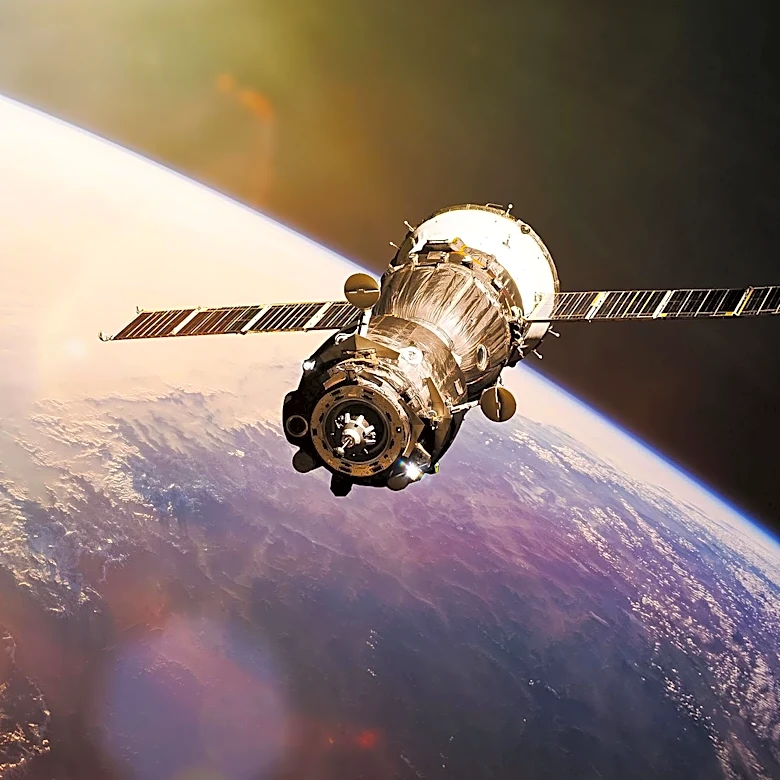
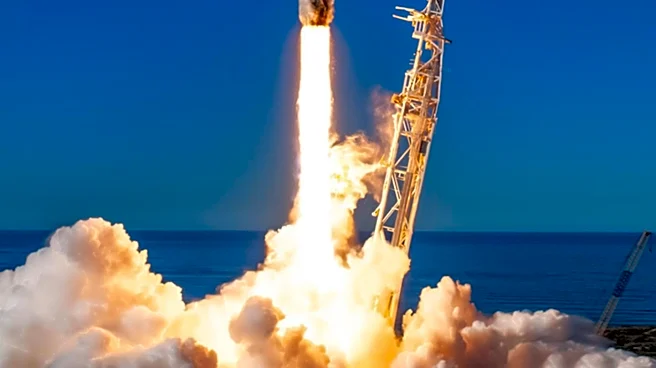
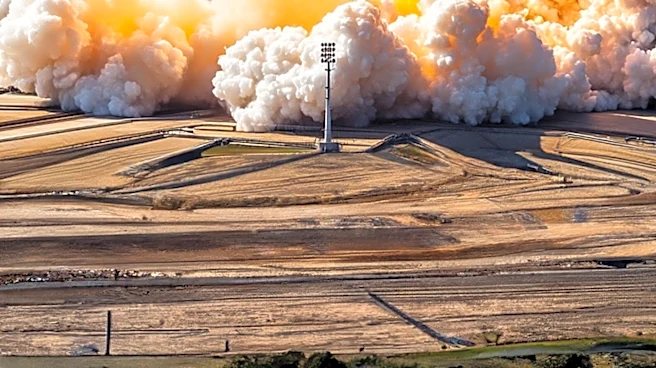
SpaceX launched a Northrop Grumman robotic spacecraft on July 21, 2026, designed to extend the operational lives of satellites in geostationary orbit. The Falcon 9 rocket carried a Mission Robotic Vehicle (MRV) and three Mission Extension Pods (MEPs)
from Cape Canaveral Space Force Station. These spacecraft, developed by Northrop Grumman's SpaceLogistics subsidiary, will use their propulsion systems to reach geostationary orbit and attach to satellites running low on fuel. The MRV will install the MEPs on satellites, allowing them to maintain their orbital positions and extend their service lives by approximately six years.
Why It's Important?
This mission highlights the growing field of satellite servicing, which is becoming increasingly important as more satellites reach the end of their operational lives. By extending the lifespan of existing satellites, companies can delay the need for new launches, reducing costs and minimizing space debris. The mission also demonstrates the potential for commercial satellite servicing to become a viable industry, with Northrop Grumman leading the way in developing scalable solutions. This could lead to new business opportunities and partnerships between commercial and government entities, as the U.S. Space Force has shown interest in utilizing MRV services.
What's Next?
The MRV and MEPs will proceed to geostationary orbit to begin servicing their target satellites. Northrop Grumman plans to launch additional MEPs for future customers, keeping the MRV in orbit for ongoing servicing missions. The success of this mission could lead to further advancements in satellite servicing technology and increased collaboration between commercial and government sectors. As the demand for satellite servicing grows, companies like Northrop Grumman and SpaceX may expand their offerings and capabilities, potentially transforming the satellite industry.