





What's Happening?
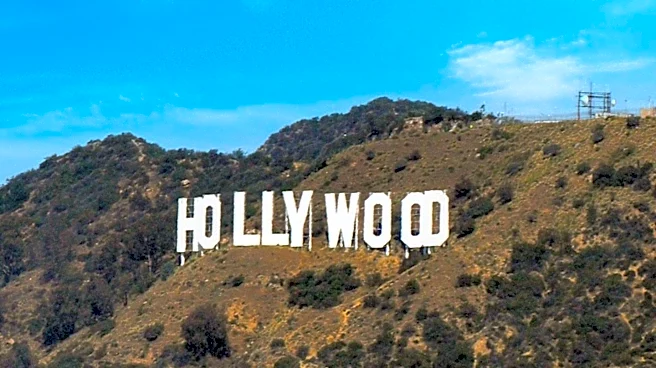
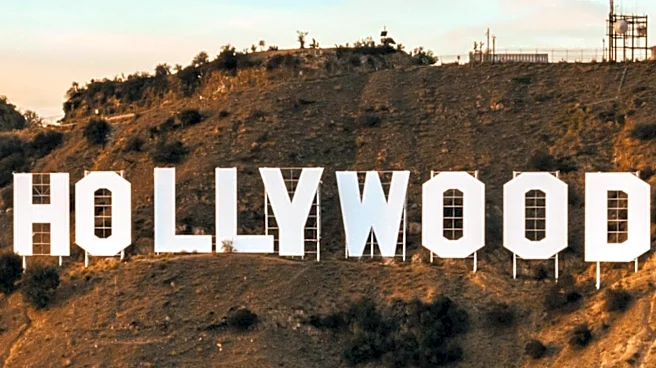
Midjourney, an AI company specializing in image generation, is embroiled in a legal battle with major Hollywood studios, including Disney, Universal, and Warner Bros, over copyright infringement claims. The studios allege that Midjourney's AI models,
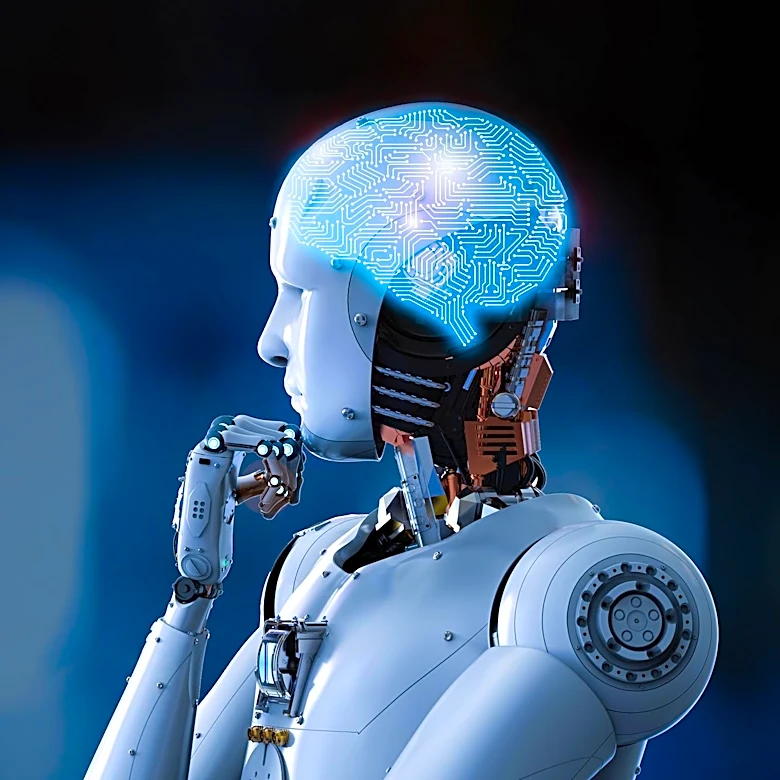
trained on publicly available images, allow users to create images of copyrighted characters, infringing on their intellectual property. In response, Midjourney has filed a motion to review a court ruling that denied its request for the studios to disclose their own use of AI. Midjourney argues that if the studios are using AI in similar ways, it would support their claim of fair use. The case highlights the complexities of copyright law in the context of AI and the ongoing debate over fair use in generative AI applications.
Why It's Important?
This legal dispute underscores the growing tension between traditional copyright holders and AI companies as technology advances. The outcome of this case could have significant implications for the future of copyright law, particularly in how it applies to AI-generated content. If Midjourney's fair use defense is successful, it could set a precedent for other AI companies facing similar challenges. The case also raises questions about the ethical and legal responsibilities of AI developers in using copyrighted material for training purposes. As AI continues to evolve, the industry will need to navigate these legal complexities to balance innovation with the protection of intellectual property rights.
What's Next?
The US district court in California is expected to rule on Midjourney's motion to review the previous decision. The outcome will likely influence ongoing and future cases involving AI and copyright law. As the legal landscape evolves, AI companies may need to adjust their practices to ensure compliance with copyright regulations. The case may also prompt discussions among policymakers and industry stakeholders about the need for updated legal frameworks to address the unique challenges posed by AI. Additionally, the decision could impact the strategies of both AI developers and copyright holders in protecting their respective interests.