





What's Happening?
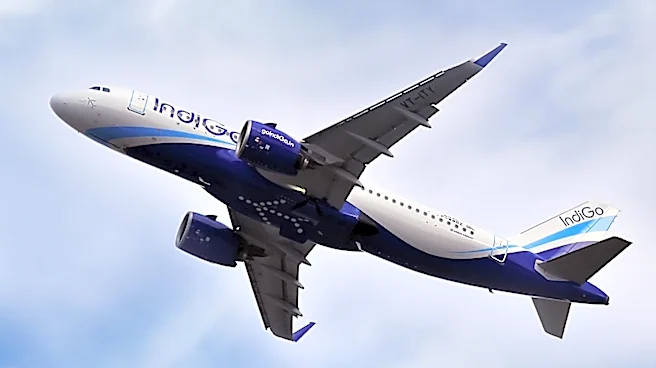
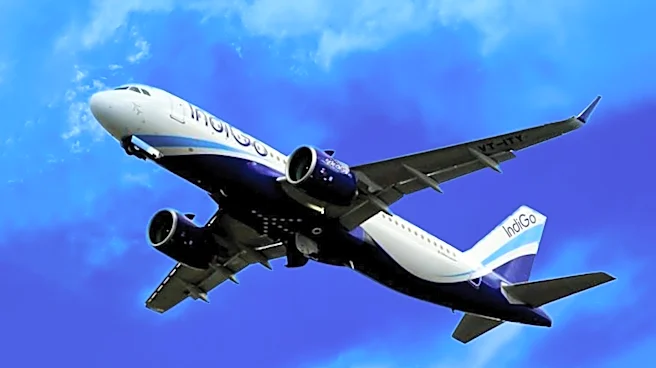
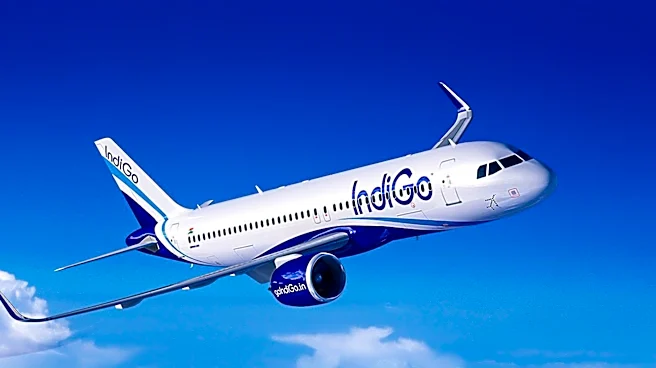
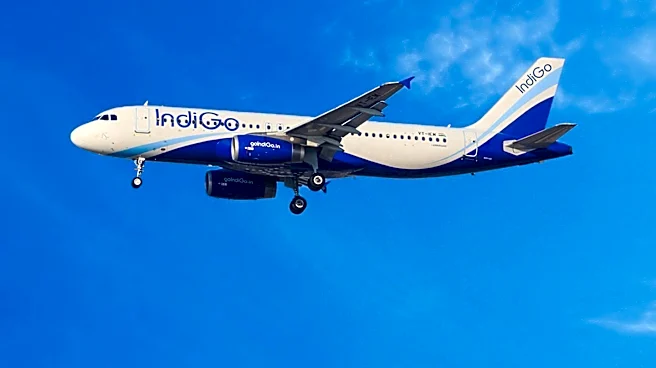
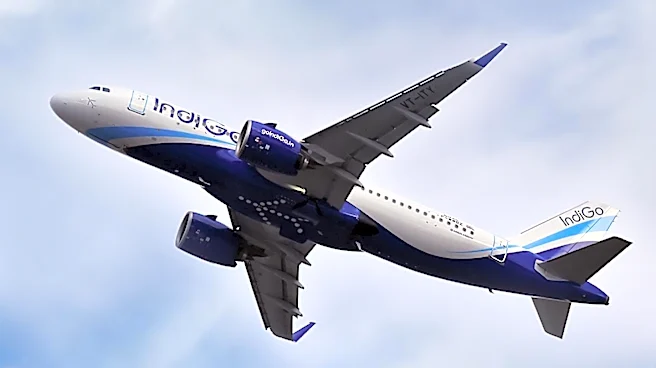
IndiGo, a prominent airline, has become the first to implement the Virtual Procedure Trainer (VPT) abnormal and emergency procedure package. This move also marks IndiGo as the first VPT customer in South Asia. The VPT is a cloud-based software that utilizes
Virtual Reality (VR) and flat-screen devices to bridge the gap between ground-school theory and Full Flight Simulator (FFS) sessions. This technology allows pilots to practice cockpit procedures, flow patterns, and normal checklists before entering a full simulator. IndiGo has been using Airbus’ MATe Suite (Mobile Airbus Training experience), now integrated into Skywise, since 2021, across its 6,300 flight crew members. The airline plans to train up to 1,000 pilots annually using this advanced system. This adoption underscores IndiGo's commitment to leveraging advanced technologies for effective and scalable pilot training, aiming to meet the evolving expectations of a new generation of pilots by providing an accessible, precise, and self-paced learning experience.
Why It's Important?
The adoption of the VPT abnormal and emergency procedure package by IndiGo signifies a significant advancement in pilot training methodologies within the aviation industry. By integrating VR technology, IndiGo is enhancing the quality and efficiency of its pilot training programs, which can lead to improved safety standards and operational readiness. This initiative provides pilots with a more immersive and realistic training environment, allowing them to familiarize themselves with critical procedures in a controlled setting before high-stakes simulator sessions. For the broader aviation sector, IndiGo's pioneering step could set a new benchmark for pilot training, potentially influencing other airlines to adopt similar VR-based solutions. This shift towards digital training ecosystems can also lead to cost efficiencies in the long run by optimizing simulator time and providing more flexible training schedules. Ultimately, this enhances the overall preparedness of flight crews, contributing to safer air travel.
What's Next?
Following the implementation of the VPT, IndiGo is expected to fully integrate the system into its pilot training curriculum, aiming to train up to 1,000 pilots annually. This will involve continuous evaluation of the VPT's effectiveness and potential enhancements based on pilot feedback and technological advancements. Other airlines in the region and globally will likely observe IndiGo's experience with the VPT, potentially leading to wider adoption of VR-based training solutions across the aviation industry. This could spur further innovation in aviation training technology, with developers creating more sophisticated and tailored VR modules. The success of this program could also influence regulatory bodies to consider incorporating such advanced training methods into standard aviation safety protocols, further solidifying the role of virtual reality in pilot education and certification.
Beyond the Headlines
The integration of VR technology into pilot training by IndiGo represents a broader trend of digitalization and immersive learning transforming traditional industries. This move highlights the potential for VR to not only enhance technical skills but also to improve cognitive readiness and decision-making under pressure, crucial for pilots. Ethically, this technology raises questions about the balance between virtual and real-world training experiences, and how to ensure that virtual simulations adequately prepare pilots for the unpredictable nature of actual flight emergencies. Legally, the certification and validation processes for VR-based training modules will need to evolve to keep pace with technological advancements. Culturally, this shift caters to a new generation of pilots who are digital natives, expecting and benefiting from interactive and technology-driven learning environments, potentially reshaping the culture of aviation training to be more adaptive and technologically forward-thinking.