
What's Happening?
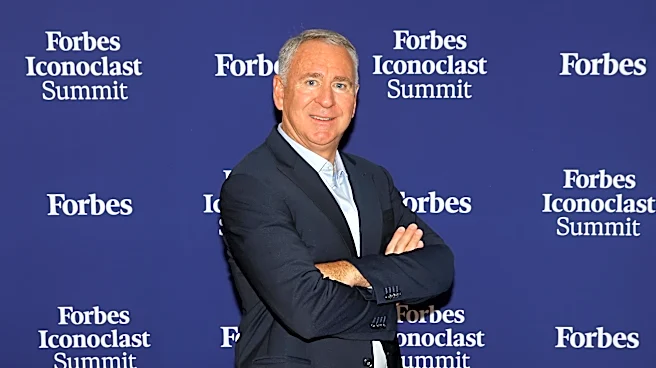
Citadel, led by Ken Griffin, acquired a significant portion of hedge fund Situational Awareness's public equities portfolio, heavily invested in AI stocks, on July 29. Situational Awareness, founded by former
OpenAI researcher Leopold Aschenbrenner, had experienced a rapid change in fortune, with its highly leveraged AI bets leading to substantial margin calls after being up over 400% earlier in the year. Citadel purchased the portfolio at more than a 10% discount to market value, making an immediate mark-to-market gain. The transaction involved Citadel pricing and buying the bulk of the portfolio overnight, with Citadel's team working for over 40 hours to finalize the deal. Citadel then spent three weeks completing nearly a hundred block trades worth over $4 billion to reduce the risk of the original portfolio by approximately 80%. This strategic move allowed Citadel's flagship Wellington fund to finish July up 5.94%, its best month since 2022, and by the end of October, the fund was up over 15% year-to-date.
Why It's Important?
This acquisition highlights the volatility and high stakes within the AI investment sector, demonstrating how quickly fortunes can shift for highly leveraged funds. Citadel's ability to step in as a 'crisis capital provider' underscores its financial strength, operational capabilities, and market reputation, which allowed it to absorb and de-risk a troubled portfolio without causing further market disruption. The deal also reflects a broader market dynamic where established financial institutions can capitalize on the distress of smaller, more specialized funds. Ken Griffin's comments on the future of AI, including a 'massive build-out of data centers' and 'markedly better' AI models, signal continued confidence in the long-term growth of the AI industry, despite short-term market fluctuations. The transaction also prevented a potential fire sale by Situational Awareness, which could have exacerbated selling pressure in AI-related stocks.
What's Next?
Citadel's successful management of the acquired portfolio suggests a continued strategy of leveraging its market expertise and financial power to navigate volatile sectors. While Griffin stated that the firm is not specifically constructed for such 'crisis capital provider' transactions, he acknowledged that opportunities are likely to arise in today's markets. The event may encourage other large financial institutions to monitor and potentially intervene in similar situations involving highly concentrated or leveraged portfolios in emerging technology sectors. For Situational Awareness, the transaction allowed the firm to continue operating, albeit with a reduced public equities exposure. The broader AI market will likely continue to see significant investment and development, as indicated by Griffin's long-term positive outlook on AI's impact across the economy.
Beyond the Headlines
The transaction underscores the critical role of 'reputational gravitas' and trust in high-stakes financial dealings. Citadel's established relationships with brokers and its history of handling similar complex deals were crucial in securing the trust of Situational Awareness's prime brokers, preventing them from taking action against their client. This event also subtly highlights the power dynamics within the financial industry, where larger, more stable entities can provide a safety net during market downturns for smaller, more agile funds. The rapid reversal in AI stock prices immediately after Citadel took over the book, with companies like Sandisk and Bloom Energy jumping over 25%, suggests that market sentiment can be heavily influenced by the perceived stability and strategic actions of major players like Citadel, effectively removing selling pressure and restoring confidence.