









What's Happening?
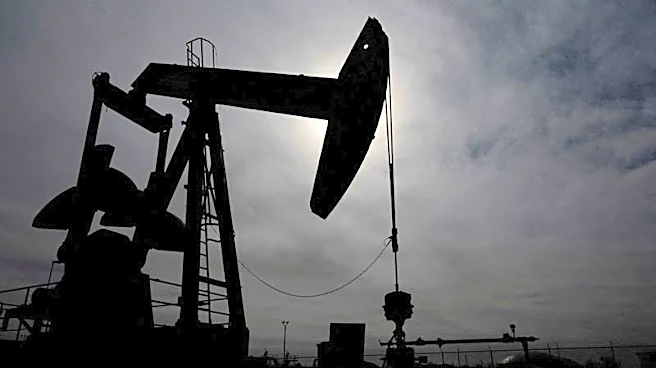
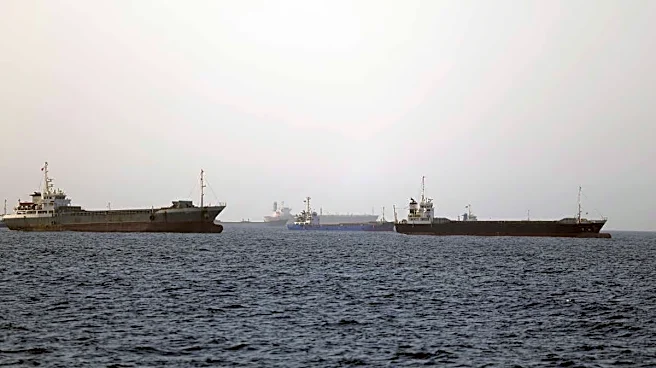
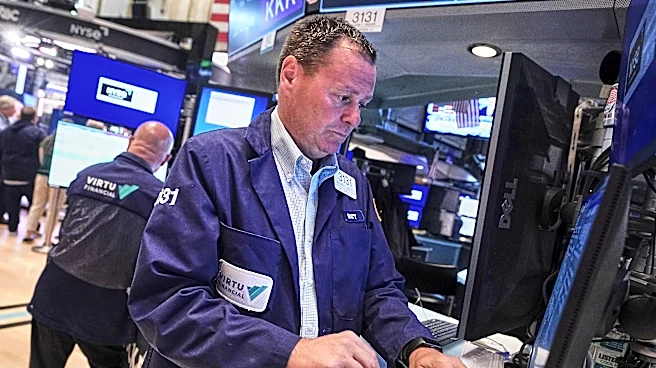
The reopening of the Strait of Hormuz following a U.S.-Iran agreement has led to a drop in oil prices and a rise in stock markets. However, analysts caution that the market may be overly optimistic about the situation. While oil prices have decreased
and gas prices have fallen below $4 a gallon, traffic through the strait remains minimal compared to pre-war levels. The agreement includes a 60-day ceasefire period, and there are concerns about potential disruptions if the ceasefire is not maintained. The market's response reflects relief but also highlights the risks of assuming a smooth resolution.
Why It's Important?
The Strait of Hormuz is a vital artery for global oil supply, and its reopening is crucial for stabilizing energy markets. The market's optimistic response indicates confidence in the agreement, but the underlying risks remain significant. The potential for renewed conflict or logistical challenges could disrupt oil flows and impact global energy prices. The situation emphasizes the importance of geopolitical stability for economic markets and the need for contingency planning. The current market conditions also reflect broader economic trends, with stock markets buoyed by optimism in sectors like artificial intelligence.
What's Next?
The next 60 days will be critical in determining the stability of the Strait of Hormuz and the broader energy market. Stakeholders will need to monitor the situation closely and prepare for potential disruptions. The outcome of the ceasefire period will influence future market dynamics and energy prices. The international community may need to engage in diplomatic efforts to ensure the agreement's success and address any emerging challenges. The situation also calls for a reassessment of energy security strategies and the exploration of alternative supply routes.