





What's Happening?
Despite announcing its intention to suspend production and sales in Russia in March 2022 following the full-scale invasion of Ukraine, PepsiCo paid $237 million in income tax to the Russian state last year. The company, one of the world's largest food
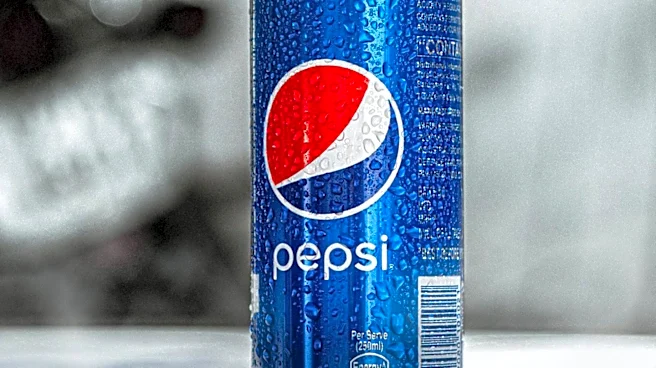
and drink producers, remains Russia's fourth-largest foreign business, employing 60,000 workers and operating 19 factories. These factories continue to produce Pepsi Cola under new names, Lyubimaya Cola and Evervess Cola, for the Russian market. PepsiCo also continues to sell what it terms 'essential' products, including milk, other dairy products, baby food, Lay’s chips, juices, and bottled water. The original blue cans of Pepsi are also available through re-exports from third countries like Kazakhstan and Georgia. The Kyiv School of Economics Institute’s Leave Russia project highlights that tax revenue from major Western firms still operating in Russia contributes to the state budget, which is focused on the war in Ukraine. PepsiCo was added to Ukraine’s National Agency on Corruption Prevention's list of international sponsors of the war in 2023.
Why It's Important?
PepsiCo's continued significant presence and tax contributions to the Russian state budget raise critical questions about corporate responsibility and the effectiveness of international sanctions. The company's actions provide financial support to a government engaged in an ongoing conflict, potentially undermining efforts by the U.S. and its allies to isolate Russia economically. This situation highlights the complexities faced by multinational corporations with deep historical ties and substantial investments in Russia. The symbolic weight of brands like PepsiCo, which have long represented Russia's economic integration with the West, means their continued operation can be interpreted as a tacit endorsement or normalization of the current regime. This also impacts consumer perception and could lead to reputational damage for companies that remain, as evidenced by surveys indicating that many Western shoppers are unaware of these contributions and believe companies should halt operations entirely.
What's Next?
PepsiCo is likely to face continued pressure from advocacy groups, international organizations, and potentially consumers to fully withdraw from the Russian market. The company's decision to continue operations, citing 'essential' products, will be under increased scrutiny. There may be further calls for governments to implement stricter measures or expand sanctions to include companies that continue to provide substantial financial contributions to the Russian state. The ongoing debate will center on defining 'essential' goods in a conflict zone and the ethical obligations of corporations during international crises. Other Western companies still operating in Russia, such as Mars and Nestlé, may also face similar calls for withdrawal, potentially leading to a broader re-evaluation of corporate engagement in the region.
Beyond the Headlines
The case of PepsiCo in Russia illuminates a broader ethical dilemma for global corporations operating in politically sensitive regions. It underscores the tension between business interests, shareholder value, and moral responsibilities during international conflicts. The historical context of PepsiCo's entry into the Soviet Union, symbolizing a bridge between capitalism and communism, now ironically highlights the challenges of disengagement. This situation also reveals the limitations of reputational pressure as a sole mechanism for corporate change, especially when significant financial interests are at stake. The continued operation of such companies could inadvertently contribute to the normalization of the conflict, making it harder for the international community to achieve its objectives through economic pressure. It also raises questions about the long-term impact on brand loyalty and consumer trust in Western markets.