


What's Happening?
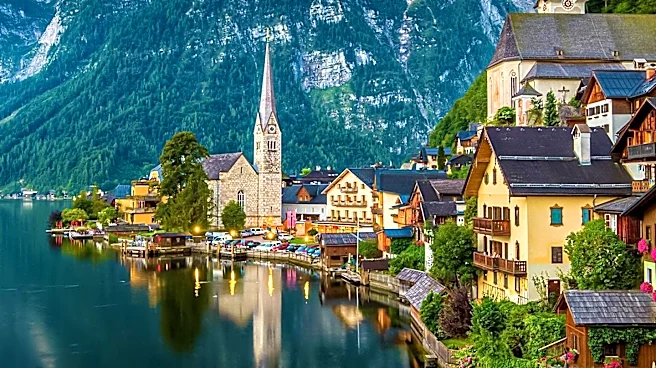
Austria is actively promoting nine specific locations across its regions as ideal spots for digital detox experiences. These locations, ranging from quiet Alpine valleys in Tyrol to the expansive horizons of Lake Neusiedl, are designed to offer visitors
opportunities for relaxation, nature immersion, and deceleration from digital life. The initiative emphasizes that a digital detox doesn't necessarily require a luxury resort but can be achieved in places where mobile reception is weak, paths are long, and the landscape's influence is stronger than any push notification. These 'power places' in nature, such as springs, forests, rocks, lakes, or viewpoints, encourage conscious pausing and provide a contrast to the constant digital engagement of daily life. The approach caters to both younger generations seeking active, screen-free weekends and older generations appreciating slower paces and natural beauty.
Why It's Important?
This Austrian initiative to promote digital detox locations holds relevance for the U.S. tourism and wellness industries. As American consumers increasingly seek ways to disconnect from technology and reduce screen time, the concept of designated 'power places' for digital detox could be adopted or adapted within the U.S. This trend signifies a growing market for experiential travel focused on mental well-being and reconnection with nature. For U.S. national parks, state parks, and private wellness retreats, there's an opportunity to market their remote or naturally serene locations as ideal for digital detoxification. This could lead to new tourism products, such as guided 'unplugged' tours or retreats, and influence infrastructure decisions regarding Wi-Fi availability in natural areas. The emphasis on accessible, non-luxury options also suggests a broader appeal beyond high-end tourism, potentially impacting a wider range of travel businesses and local economies in scenic U.S. regions.
What's Next?
Following Austria's example, U.S. tourism boards and private enterprises might begin to identify and promote similar 'digital detox' zones within their own landscapes. This could involve mapping out areas with limited connectivity, developing specific itineraries that encourage smartphone-free activities, or even creating certification programs for 'digital detox-friendly' accommodations. We may see an increase in marketing campaigns highlighting the mental health benefits of disconnecting in nature, targeting a demographic increasingly burdened by digital overload. Furthermore, this trend could spark discussions about the role of technology in public natural spaces, potentially leading to policies that encourage or enforce periods of digital disconnection in certain areas to preserve the tranquility and natural experience for visitors. The success of such initiatives could also influence urban planning, with more emphasis on creating accessible green spaces for local 'micro-detoxes.'
Beyond the Headlines
The Austrian focus on 'digital detox' locations underscores a deeper societal concern about the pervasive influence of digital technology on daily life and mental well-being. For the U.S., this reflects a growing cultural movement towards mindfulness, intentional living, and a re-evaluation of what constitutes 'quality time.' Beyond tourism, this trend has implications for public health, education, and workplace culture, as individuals and institutions grapple with the challenges of constant connectivity. It highlights the ethical consideration of providing spaces where individuals can genuinely disengage, fostering a sense of presence and connection to the physical world. This movement could contribute to a broader shift in societal values, where the ability to 'unplug' becomes a valued skill and a marker of well-being, potentially influencing consumer behavior beyond travel, such as in the design of homes, public spaces, and even personal technology use habits.