




What's Happening?
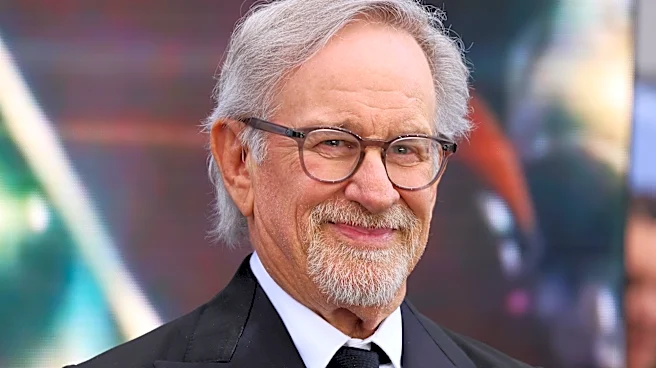
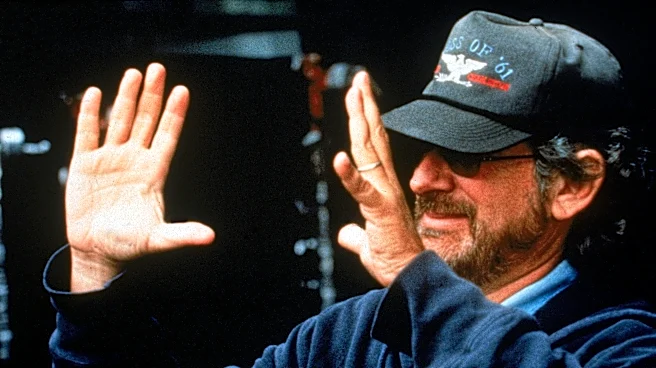
Steven Spielberg was originally slated to direct the World War II film 'Flags of Our Fathers,' a movie based on the iconic photograph of American troops raising the flag during the Battle of Iwo Jima. Spielberg had acquired the rights to James Bradley
and Ron Powers’ novel, which served as the source material for the film. However, Spielberg ultimately approached Clint Eastwood, inviting him to co-produce and direct the movie. Eastwood, who was already a fan of the novel, accepted the offer. The film, released in October 2006, explores the brutal combat of the Iwo Jima battle and critically examines how the soldiers in the famous photograph were utilized for war bond drives. Eastwood not only directed but also co-produced and scored the film, aiming to present a realistic portrayal of the event and the subsequent media depiction of the soldiers. 'Flags of Our Fathers' was a companion piece to 'Letters from Iwo Jima,' which offered the Japanese perspective of the battle.
Why It's Important?
This directorial shift highlights the collaborative and often fluid nature of major film productions, especially when involving prominent figures like Steven Spielberg and Clint Eastwood. Spielberg's initial involvement underscores the project's significance and its potential to attract top-tier talent. Eastwood's eventual direction brought his distinct cinematic style and thematic interests to a pivotal historical narrative, offering a darker, more critical look at the glorification of war heroes compared to other war films. The decision to have two companion films, 'Flags of Our Fathers' and 'Letters from Iwo Jima,' was a significant artistic choice, providing a more comprehensive and nuanced understanding of the Battle of Iwo Jima from both American and Japanese perspectives. This approach enriched the historical discourse surrounding the event and offered audiences a multifaceted view of the human cost and complexities of war.
What's Next?
While 'Flags of Our Fathers' was released in 2006, its availability on streaming platforms like Pluto TV for free continues to make it accessible to a broad audience. This ongoing accessibility ensures that the film's critical examination of war and heroism remains relevant and can reach new viewers. The film's commercial performance, which was modest against its budget, did not deter its critical reception or its place in the canon of war films. The collaboration between Spielberg and Eastwood on this project, even with the directorial change, exemplifies how major Hollywood figures can shape historical narratives on screen. Future discussions around war films and their portrayal of historical events may continue to reference the dual perspective offered by 'Flags of Our Fathers' and 'Letters from Iwo Jima' as a benchmark for comprehensive storytelling.
Beyond the Headlines
The narrative surrounding 'Flags of Our Fathers' extends beyond its production details to touch upon broader themes of historical representation and the myth-making inherent in wartime propaganda. The film's focus on how the flag-raisers were used as symbols for war bonds delves into the ethical complexities of public relations during conflict. It challenges the simplistic hero narratives often presented to the public, revealing the personal burdens and psychological impacts on individuals thrust into the spotlight. This critical lens encourages audiences to question official narratives and consider the human element behind iconic images. The film's exploration of the soldiers' post-war struggles with their public image versus their private realities offers a poignant commentary on the long-term consequences of war and the societal pressures placed upon those deemed heroes.