







What's Happening?
The sleep tracking device market is seeing advancements with products like the Circular Ring 2 and WHOOP 5.0 offering sophisticated features beyond basic sleep monitoring. The Circular Ring 2 is highlighted for its technical ambition, providing 13+ subscription-free
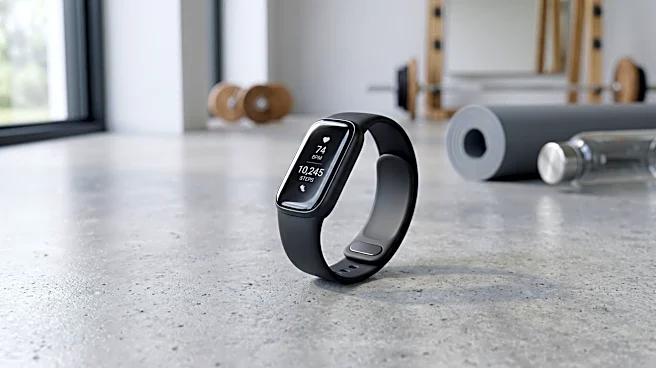
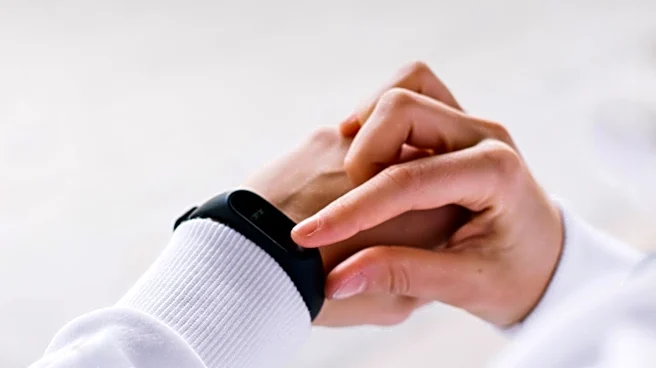
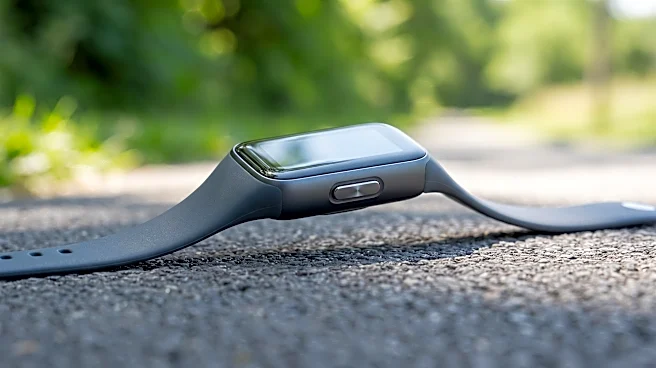
core features including on-demand ECG and AFib detection. Its AI coach, Kira, analyzes biometric data to offer actionable plans for improving sleep quality, identifying factors like late caffeine or stress. WHOOP 5.0 focuses on connecting sleep data to training load, calculating sleep needs based on daily strain and recovery. Both devices offer detailed sleep staging, HRV tracking, SpO2, and skin temperature monitoring. Other notable devices include the Fitbit Charge 6, which offers reliable sleep tracking at a lower price point, and the Apple Watch Series 11, integrated within the Apple ecosystem.
Why It's Important?
These advanced sleep trackers are transforming how individuals understand and manage their sleep and overall health. The integration of AI coaching, as seen in the Circular Ring 2, moves beyond passive data collection to provide personalized, actionable advice, potentially leading to more effective behavioral changes. For athletes, WHOOP's ability to link sleep directly to training load is crucial for optimizing recovery and performance. The increasing accuracy of ring-based trackers, due to their proximity to capillary-rich tissue, offers more precise biometric data, which can be vital for detecting subtle health changes. This evolution signifies a move towards more proactive and personalized health management, empowering users with detailed insights and guidance to improve their well-being.
What's Next?
The trend in sleep tracking technology points towards greater integration of AI and personalized coaching, making devices more prescriptive rather than just descriptive. Future iterations will likely see enhanced accuracy in sleep stage detection, particularly for wrist-based devices, and more seamless integration with broader health ecosystems. The development of more sophisticated algorithms will allow for deeper correlations between lifestyle factors, biometric data, and sleep quality, leading to even more tailored recommendations. As these devices become more commonplace, there may also be a push for greater standardization in data interpretation and privacy protocols. The market is likely to continue diversifying, offering specialized devices for different user needs, from serious athletes to those seeking general wellness insights.
Beyond the Headlines
The rise of highly sophisticated sleep trackers like the Circular Ring 2 and WHOOP raises questions about the accessibility of advanced health technology and the potential for a two-tiered system of health management. While these devices offer significant benefits, their cost and subscription models can be prohibitive for some. There's also the broader implication of individuals becoming increasingly reliant on technology for self-diagnosis and health management, which could alter the dynamic between patients and healthcare providers. The ethical considerations around AI coaching, particularly in providing health advice, will also become more prominent. Furthermore, the continuous collection of intimate biometric data necessitates robust discussions around data security, ownership, and the potential for its use beyond individual health improvement.