
What's Happening?
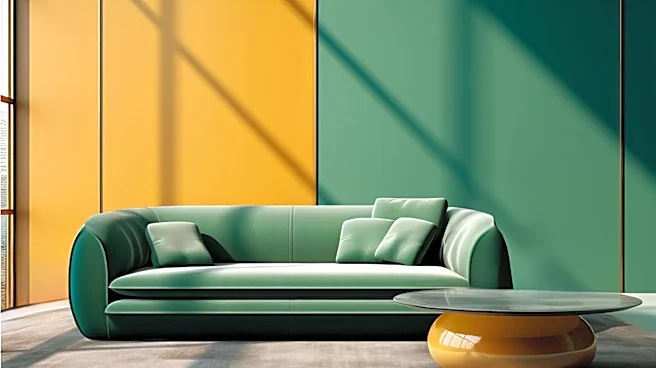
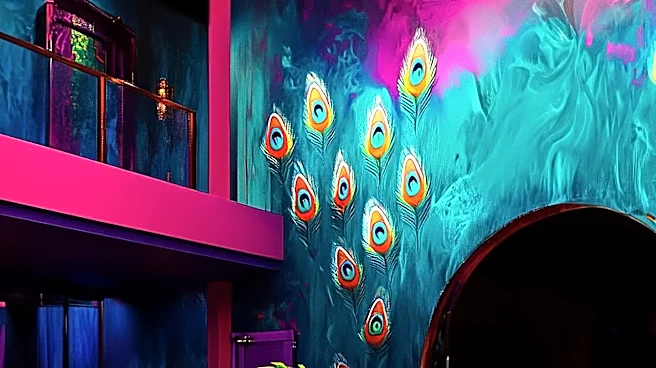
Maximalism is emerging as a prominent design concept characterized by its embrace of color, eclecticism, and unexpected combinations in home decor. This style involves intentional layering of different
proportions, textures, and colors, often combining elements from various styles or historical periods. Unlike chaotic accumulation, curated maximalism emphasizes thoughtful selection to create a rich and meaningful environment. Amber Guyton, an Atlanta-based designer, champions 'Soulful Maximalism,' a philosophy rooted in layered textures, the celebration of Black culture, and joy. Her approach aims to transform a home into a personal 'love story,' filled with meaning, memories, and wonder. This design trend is gaining traction as an alternative to minimalist aesthetics, offering homeowners a way to express individuality and create vibrant, personalized spaces. The movement is seen in various elements, from bold color palettes and mixed patterns to unique furniture pieces and decorative objects that tell a story.
Why It's Important?
The rise of maximalism signifies a shift in consumer preferences within the U.S. home decor market, moving away from the stark simplicity of minimalism towards more expressive and personalized interiors. This trend impacts manufacturers, retailers, and interior designers, encouraging them to offer a wider range of colorful, textured, and uniquely designed products. For consumers, it provides an opportunity to create living spaces that deeply reflect their personalities, cultural heritage, and life experiences, fostering a sense of comfort and joy. The emphasis on 'Soulful Maximalism,' as articulated by designers like Amber Guyton, also highlights a growing desire for design that incorporates cultural narratives and personal histories, particularly within diverse communities. This can lead to increased demand for artisan-crafted goods, vintage finds, and custom pieces, supporting smaller businesses and craftspeople. The trend also encourages a more sustainable approach to decor by valuing thoughtful accumulation and pieces with longevity and personal significance over disposable, trend-driven items.
What's Next?
As maximalism gains momentum, the home decor industry is likely to see an increased proliferation of products that cater to this aesthetic. This includes bolder color palettes in paints and textiles, more intricate patterns in wallpapers and fabrics, and a wider variety of furniture styles that can be mixed and matched. Retailers may curate collections that encourage layering and eclecticism, offering guidance on how to combine diverse elements cohesively. Interior designers will likely be sought after for their expertise in creating balanced yet vibrant maximalist spaces, moving beyond traditional design rules. We can also anticipate more collaborations between designers and brands to produce unique, culturally resonant collections. Educational content, such as design books and online tutorials, will likely emerge to help homeowners navigate the complexities of maximalist design, ensuring thoughtful curation rather than clutter. The trend may also influence adjacent markets, such as art and antique collecting, as individuals seek unique pieces to personalize their maximalist interiors.
Beyond the Headlines
Beyond its aesthetic appeal, maximalism reflects deeper societal shifts towards authenticity, self-expression, and a rejection of conformity. In an increasingly digital and often impersonal world, people are seeking to create physical spaces that are rich with personal meaning and warmth. This design philosophy can be seen as a form of rebellion against the 'perfect' and often sterile environments promoted by minimalist trends, allowing for imperfection, history, and narrative to take center stage. Ethically, curated maximalism can promote more conscious consumption by encouraging the acquisition of cherished items rather than mass-produced, disposable goods. It also fosters an appreciation for diverse cultures and artistic traditions, as individuals incorporate elements from various backgrounds into their homes. Culturally, the rise of 'Soulful Maximalism' underscores the importance of identity and heritage in personal spaces, offering a powerful way for individuals to celebrate their roots and create environments that nurture their well-being and sense of belonging.