

What's Happening?
U.S. consumer sentiment improved in November, with the University of Michigan's Consumer Sentiment survey's final reading at 51.5, aligning with economists' expectations. This marks an increase from October's final reading of 48. According to Surveys
of Consumers Director Joanne Hsu, the rise was primarily driven by significant post-election gains in both short- and long-run expected business conditions. Current personal finances also improved for low- and middle-wealth consumers, partly due to falling gas prices. However, those with substantial stockholdings reported a decline in personal finances, consistent with ongoing AI-related market agitation. The survey also noted a significant drop in both year-ahead and longer-run inflation expectations, with median year-ahead expectations falling from 4.7% to 3.7%.
Why It's Important?
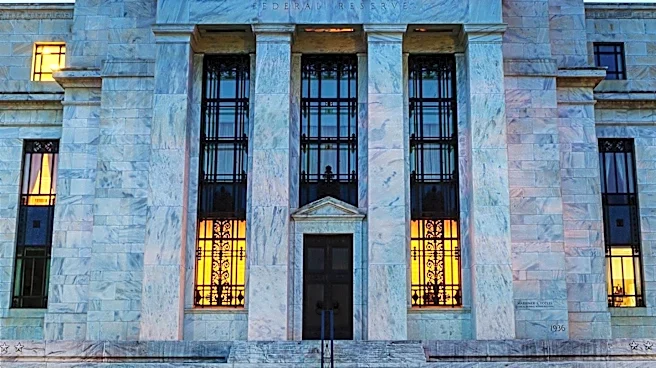
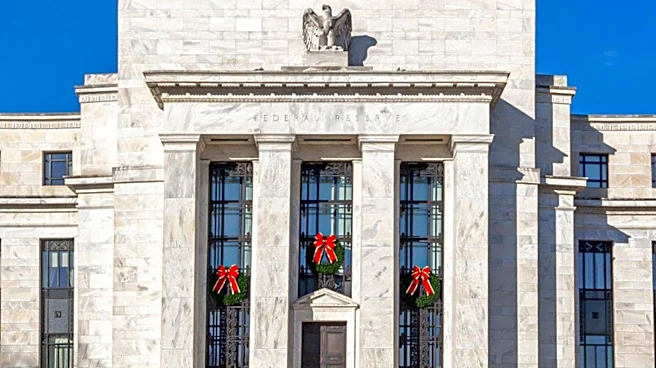
The improvement in U.S. consumer sentiment and the decline in inflation expectations are crucial indicators for the nation's economic outlook. Enhanced consumer confidence can lead to increased spending, which is a significant driver of economic growth. The drop in inflation expectations suggests that consumers anticipate a moderation in price increases, potentially easing pressure on household budgets and influencing future purchasing decisions. This data provides the Federal Reserve with valuable insights as it considers future monetary policy decisions, particularly regarding interest rates. While overall sentiment is up, the divergence in financial well-being between different wealth groups, especially those affected by stock market volatility, highlights ongoing economic disparities and the varied impacts of market trends on different segments of the population.
What's Next?
The continued improvement in consumer sentiment could support sustained economic activity in the U.S. However, the report also indicates that sentiment remains subdued compared to earlier in the year, reflecting ongoing uncertainty regarding cost-of-living factors. The significant drop in inflation expectations might influence the Federal Reserve's approach to interest rate adjustments, potentially providing more flexibility if inflationary pressures are perceived to be easing. Policymakers will likely monitor these trends closely, alongside other economic data, to gauge the stability and direction of the U.S. economy. The divergence between consumer sentiment and market sentiment, as noted by Jamie Cox of Harris Financial Group, suggests that the market may eventually realign with positive consumption trends and their impact on GDP.
Beyond the Headlines
The survey's findings reveal a nuanced picture of the U.S. economic landscape, where political shifts and technological advancements intersect with everyday financial realities. The post-election gains in expected business conditions, particularly among independents and Democrats, suggest that political outcomes can significantly influence economic outlooks. The impact of "AI-related agitation in stock markets" on the personal finances of high-wealth individuals underscores the growing influence of the technology sector on broader economic stability. Despite softening inflation expectations, consumers still overwhelmingly view inflation as a greater hardship than unemployment, indicating that cost-of-living concerns remain paramount. This highlights the complex challenge policymakers face in balancing economic growth with price stability and addressing the diverse financial experiences of different demographic groups.