
What's Happening?
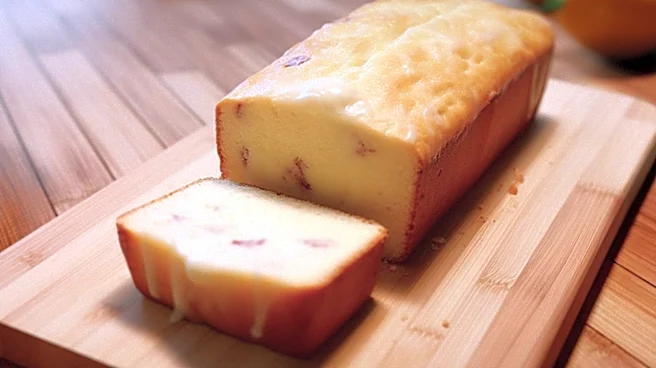
A viral 'Boxed Cake Mix Hack' is gaining traction, offering a method to transform standard store-bought cake mixes into a dessert that tastes homemade. This hack involves several key modifications to the
traditional boxed cake recipe. Instead of water, milk is used, and melted butter replaces oil. An additional egg is also incorporated into the mix. Furthermore, the baking temperature is lowered to 315°F from the standard 350°F, and a slightly smaller 9x11-inch pan is recommended over the more common 9x13-inch pan to achieve a thicker cake. Another significant step involves warming canned frosting for a few seconds until it reaches a pourable consistency, which is then spread over the completely cooled cake. This technique aims to create a softer, fluffier, and more flavorful cake, addressing common complaints about the texture and taste of typical boxed cakes.
Why It's Important?
This trend is important for consumers seeking convenience without sacrificing quality in their home baking. The 'Boxed Cake Mix Hack' provides an accessible way for individuals to elevate their baking skills and produce a more impressive dessert with minimal extra effort or specialized ingredients. For the food industry, particularly manufacturers of boxed cake mixes and canned frostings, this hack could influence product development and marketing strategies. If widely adopted, it might lead to a renewed interest in these products, potentially boosting sales as consumers discover new ways to enhance them. It also highlights a broader consumer desire for customization and improved taste, even within the realm of convenience foods. The hack's popularity, driven by social media, demonstrates the power of online communities in disseminating practical tips and influencing consumer behavior in the culinary space.
What's Next?
The continued spread of this 'Boxed Cake Mix Hack' is likely, especially through social media platforms where such tips often go viral. Consumers may experiment further with these modifications, potentially adapting them to various cake mix flavors and brands. Food bloggers and culinary content creators are expected to produce more tutorials and variations of this hack, solidifying its place in home baking practices. Manufacturers of baking products might take note of these consumer-driven innovations. This could lead to new product lines that incorporate some of these 'hack' elements, such as premium boxed mixes designed for milk and butter additions, or frostings specifically formulated for warming and pouring. The hack could also inspire other creative uses for convenience food products, fostering a culture of culinary experimentation among home cooks.
Beyond the Headlines
Beyond its immediate culinary appeal, this hack reflects a broader cultural shift towards 'smart' consumption and the democratization of culinary expertise. It challenges the notion that convenience foods are inherently inferior, demonstrating how simple adjustments can bridge the gap between store-bought and homemade quality. This trend also underscores the influence of digital platforms in shaping everyday practices, as an old trick gains new life and widespread adoption through viral content. Ethically, it raises questions about intellectual property in the realm of recipes and food hacks, as traditional knowledge is repackaged and popularized online. Furthermore, it highlights the ongoing consumer desire for value—getting more perceived quality from existing products—which could have long-term implications for how food companies design and market their offerings, emphasizing customization and enhancement rather than just basic utility.