
What's Happening?
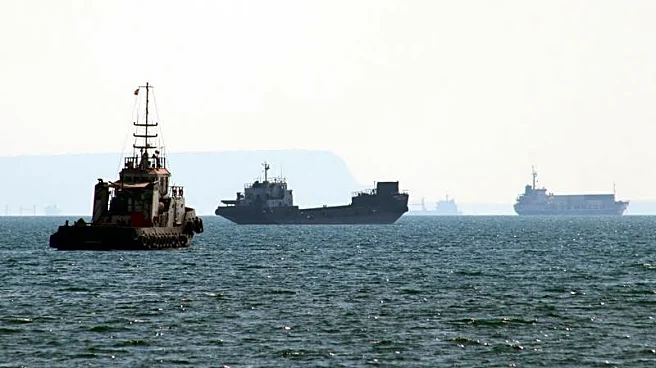
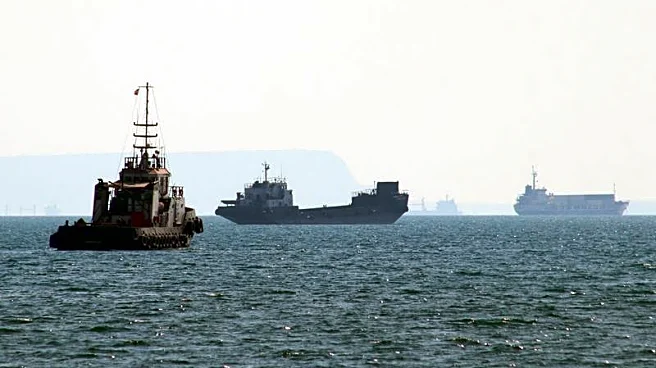
Crude oil prices experienced a rebound on Tuesday after reaching their lowest levels in approximately three months. This recovery was primarily driven by renewed attacks on commercial vessels in the Strait
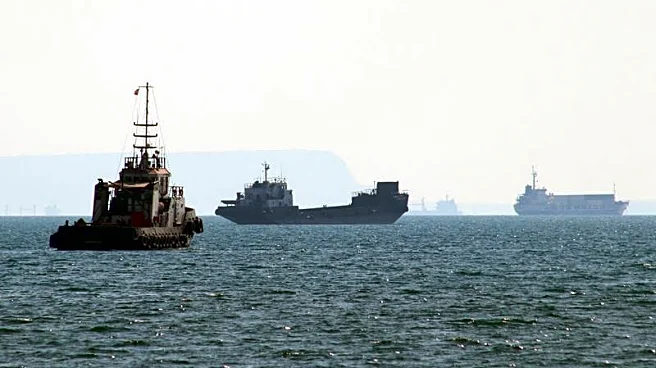
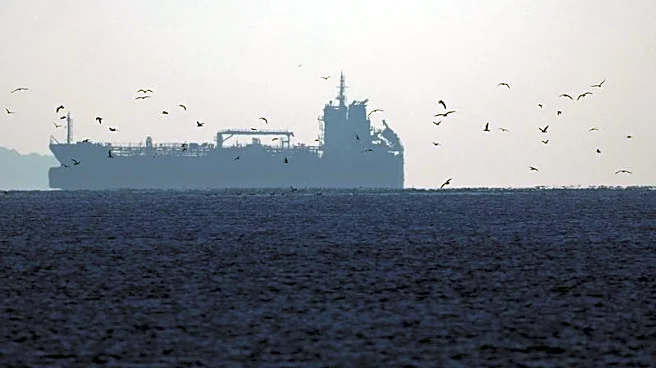
of Hormuz, which raised concerns about the reliability of Middle Eastern petroleum shipments. Brent crude rose 0.5% to $89.82 per barrel, while U.S. West Texas Intermediate increased approximately 0.5% to $80.59. Earlier in the session, both benchmarks had traded lower following declines of over 3% on Monday. The United Kingdom Maritime Trade Operations confirmed reports of three vessels being struck in the Strait of Hormuz, though all remained operational with no crew members reported missing. Despite these shipping risks, indicators suggest the global petroleum market is moving towards an excess supply. Deutsche Bank estimates a 52 million barrel increase in worldwide oil and liquid fuel inventories in October, implying an average surplus of 1.7 million barrels per day. The International Energy Agency projects a fourth-quarter global oil supply of 105 million barrels per day, exceeding anticipated consumption by 1.7 million barrels per day, a reversal from earlier deficit expectations. Additional petroleum availability is emerging from regions like Libya, and China and India are increasing purchases of Russian crude, facilitated by temporary U.S. sanctions waivers.
Why It's Important?
The fluctuating crude oil prices and the interplay between geopolitical risks and global supply dynamics have significant implications for the U.S. economy and its energy sector. For U.S. exploration and production companies, sustained price weakness could directly influence their drilling budgets, the valuation of acquisitions, and shareholder distributions. Conversely, U.S. refiners may benefit from greater feedstock availability if global supply continues to outpace demand. However, transportation providers and maritime insurers remain exposed to regional security conditions, particularly in critical shipping lanes like the Strait of Hormuz, which could lead to increased costs or disruptions. The temporary U.S. sanctions waivers allowing China and India to purchase Russian crude highlight the complex geopolitical strategies at play, aiming to balance global energy supply with foreign policy objectives. For institutional investors and family offices in the U.S., the current environment underscores the necessity of closely monitoring actual petroleum deliveries, inventory trends, and production costs, rather than solely reacting to geopolitical headlines, to make informed investment decisions.
What's Next?
The immediate future of crude oil prices will largely depend on whether further shipping disruptions materially reduce the volume of crude reaching international buyers. Attention is also focused on the upcoming OPEC+ meeting on November 29, where discussions surrounding future production policy could provide additional direction for crude prices. Investment banks remain divided on the longer-term pricing outlook; Bank of America maintains its forecast for Brent crude to average $80 per barrel in 2027, citing geopolitical uncertainty, while JPMorgan anticipates prices could fall into the upper $70s during the first half of next year as additional production enters global markets. The ongoing balance between improving global supply and persistent transportation risks will continue to shape the market. The U.S. government's approach to sanctions and waivers will also play a role in global crude flows and pricing.
Beyond the Headlines
The current volatility in crude oil markets extends beyond immediate price movements, touching upon broader themes of energy security, global trade resilience, and the effectiveness of international sanctions. The reliance on critical chokepoints like the Strait of Hormuz for a significant portion of global oil shipments exposes the inherent vulnerabilities in the energy supply chain, prompting discussions about diversification and alternative routes. The temporary U.S. sanctions waivers for Russian crude purchases by Asian refiners illustrate the complex and often pragmatic nature of international relations, where economic stability can sometimes override strict adherence to sanctions. This situation also highlights the evolving energy landscape, where major consumers like China and India are increasingly influential in shaping global demand and supply dynamics. The long-term implications could include accelerated investments in renewable energy sources to reduce dependence on volatile fossil fuel markets and a re-evaluation of maritime security strategies to safeguard global trade routes.