





What's Happening?
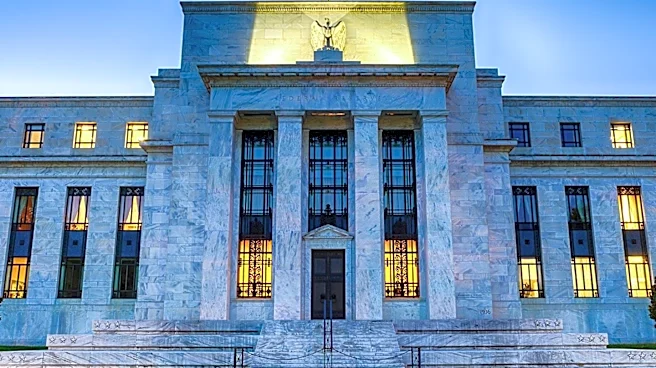
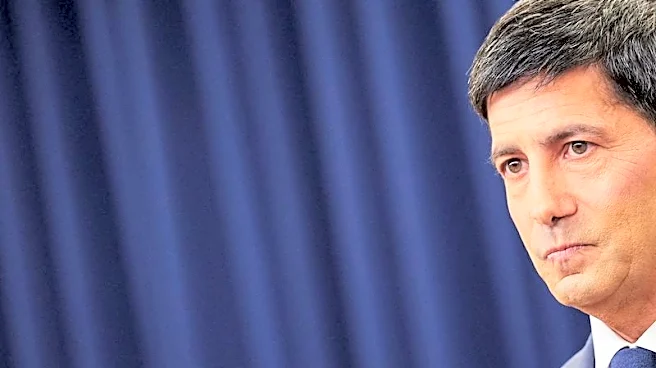
Kevin Warsh, the new Chair of the Federal Reserve, has initiated a shift in the central bank's communication strategy, which could have significant implications for financial markets. In his first press conference, Warsh highlighted a major issue with
current market dynamics: the over-reliance on Federal Reserve forecasts. He argued that this focus distorts stock prices, as they become more reflective of anticipated Fed actions rather than real-time economic data. Warsh's approach involves reducing forward guidance, aiming to make financial markets more responsive to actual economic conditions rather than speculative expectations. This change is intended to enhance the Fed's ability to use market data effectively in policy-making.
Why It's Important?
Warsh's strategy could lead to increased market volatility, as reduced guidance from the Fed may heighten investor uncertainty. This uncertainty often drives investors to shift from equities to safer assets like bonds, potentially exerting downward pressure on stock prices. The move away from detailed forecasts is designed to encourage markets to reflect real-time economic conditions, which could improve the Fed's policy decisions. However, this approach may challenge investors who rely on Fed signals for market predictions. The shift underscores a significant change in how the Fed interacts with financial markets, potentially affecting investment strategies and economic stability.
What's Next?
As Warsh implements this new communication strategy, financial markets may experience increased volatility. Investors and analysts will need to adjust to a landscape with less explicit guidance from the Fed. This could lead to more cautious investment strategies, with a possible increase in demand for bonds over stocks. The Fed's future meetings and statements will be closely watched to gauge the impact of this policy shift. Stakeholders, including businesses and policymakers, will need to adapt to this new approach, which may influence broader economic conditions and market behavior.