


What's Happening?
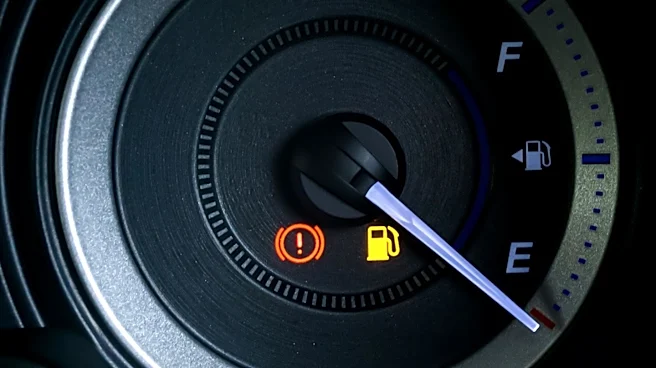
Union Minister Nitin Gadkari informed Parliament that E20 petrol, which contains 20% ethanol, can reduce fuel economy by 2 to 6% depending on the vehicle. Despite this, tests have shown no engine failures due to E20. The minister highlighted the benefits
of E20, including better acceleration and lower carbon emissions. The rollout of E20 has faced criticism over concerns about its impact on older vehicles and potential maintenance costs. The government has assured that the transition is backed by extensive testing and that manufacturers continue to honor warranty claims for vehicles using E20.
Why It's Important?
The introduction of E20 petrol is part of India's broader strategy to reduce carbon emissions and reliance on fossil fuels. While it offers environmental benefits, the potential reduction in fuel economy and concerns about vehicle compatibility pose challenges. The transition to E20 could impact consumers, particularly those with older vehicles not designed for higher ethanol blends. The government's handling of these concerns will be crucial in ensuring public confidence and the successful adoption of E20. The initiative reflects India's commitment to sustainable energy solutions, but also highlights the complexities involved in implementing such changes.