






What's Happening?
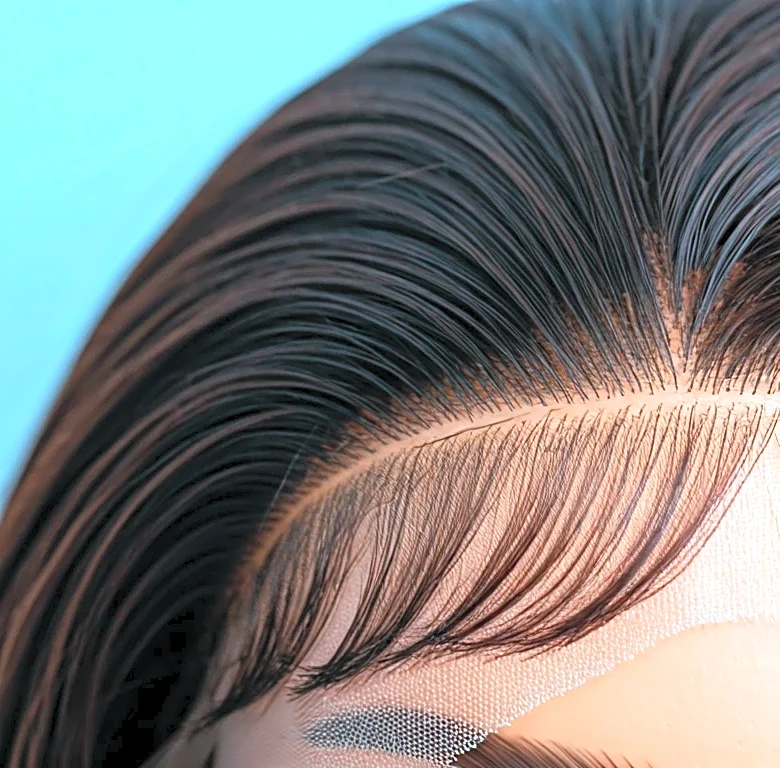
The concept of 'scalp micro-zones' is gaining attention in the beauty industry, suggesting that different areas of the scalp have unique characteristics and require tailored care. Celebrity hairstylist Philip Berkowitz and experts like Dr. Divya Shokeen
and Dr. Gary Linkov emphasize that, similar to facial skin, the scalp can have oily, dry, or sensitive areas. This understanding can lead to more effective hair care routines, targeting specific needs such as oil control, hydration, and sensitivity. The approach encourages using targeted treatments rather than a one-size-fits-all method for scalp health.
Why It's Important?
Recognizing scalp micro-zones can significantly improve hair health and appearance by addressing specific issues like oiliness, dryness, or sensitivity. This tailored approach can prevent common problems such as dandruff, hair thinning, and irritation, leading to thicker, shinier hair. The concept also highlights the importance of understanding individual scalp needs, which can enhance the effectiveness of hair care products and treatments. As consumers become more aware of personalized beauty routines, this approach aligns with the growing trend of customized skincare and haircare solutions.
What's Next?
As the concept of scalp micro-zones becomes more mainstream, it may lead to the development of specialized products targeting specific scalp needs. Hair care brands might innovate with formulations that cater to different scalp zones, offering consumers more personalized options. Additionally, this approach could influence professional hair care services, with stylists providing customized treatments based on individual scalp assessments. The trend towards personalized beauty is likely to continue, with consumers seeking products and routines that address their unique needs.
Beyond the Headlines
The focus on scalp micro-zones reflects a broader shift towards personalized beauty and wellness. It underscores the importance of understanding individual differences in skin and hair care, moving away from generic solutions. This approach may also encourage consumers to be more mindful of their scalp health, recognizing its impact on overall hair quality. As awareness grows, it could lead to increased demand for education and resources on effective scalp care practices.