








What's Happening?
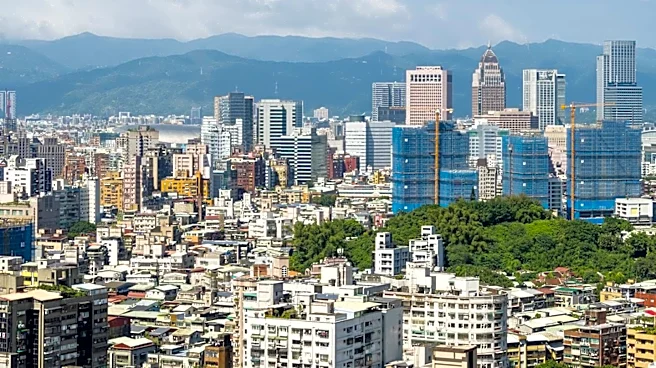
Taiwan presents a rich tapestry of experiences for visitors, seamlessly integrating modern urban life with traditional culture and diverse natural landscapes. The island, though compact, allows travelers to explore bustling cities like Taipei, known for its
glowing skyline, temples, and vibrant night markets, and then quickly transition to subtropical forests, hot springs, and scenic mountain regions. Key attractions include Taipei 101, historic temples, and lively night markets in the capital. Beyond Taipei, destinations such as Jiufen offer old-world charm with narrow lanes and traditional tea houses, while Beitou provides a hot spring escape. Central Taiwan features Sun Moon Lake, ideal for cycling and boat trips, and Alishan, famous for its misty forests, sunrise views, and tea plantations. The eastern coast, particularly around Hualien and Taitung, showcases dramatic landscapes where mountains meet the Pacific Ocean, offering opportunities for slower, immersive travel. Southern cities like Kaohsiung and Tainan provide a warmer atmosphere, with cultural districts, historical sites, and renowned food scenes. Taiwanese cuisine, a blend of Chinese traditions and local ingredients, is a significant draw, with popular dishes like beef noodle soup, xiaolongbao, and bubble tea readily available, especially in night markets.
Why It's Important?
Taiwan's appeal as a travel destination highlights its successful blend of economic development and cultural preservation, offering a unique model for tourism in East Asia. The ability to easily shift from high-tech urban centers to serene natural environments within a short distance underscores the island's efficient infrastructure and diverse geographical features. This variety caters to a broad spectrum of travelers, from food enthusiasts and nature lovers to those interested in history and slow travel. The emphasis on local cuisine, particularly the vibrant night market culture, not only provides an authentic cultural experience but also supports local economies and small businesses. Furthermore, the promotion of sustainable activities like hiking and cycling in areas like Sun Moon Lake and Alishan aligns with growing global trends in eco-tourism. The accessibility of public transport, including high-speed rail, makes independent travel feasible and encourages exploration beyond major cities, distributing tourist revenue more widely across different regions. This diverse tourism offering contributes to Taiwan's international image, showcasing its cultural richness and natural beauty alongside its economic prowess.
What's Next?
As Taiwan continues to develop its tourism sector, future efforts will likely focus on enhancing accessibility to more remote natural and cultural sites, while ensuring sustainable practices. There may be increased promotion of themed travel experiences, such as dedicated food tours, tea culture immersions, or adventure tourism packages, to attract niche markets. Given the varied climate, seasonal tourism campaigns could be developed to highlight specific attractions during different times of the year, such as spring for mountain scenery or winter for hot springs. Continued investment in public transportation and local shuttle services will further facilitate exploration for travelers without private vehicles. Additionally, there may be a focus on digital integration to provide real-time information on weather conditions, park access, and local events, especially in areas prone to natural events like earthquakes. The ongoing development of cultural and historical preservation projects will also likely be integrated into tourism offerings, providing deeper insights into Taiwan's heritage and indigenous communities.
Beyond the Headlines
The diverse travel experiences offered by Taiwan reflect a deeper narrative of resilience and adaptation. The island's ability to maintain its unique cultural identity while embracing modernity speaks to a broader societal value placed on heritage and progress. The integration of traditional temples and old streets within bustling urban landscapes, for instance, illustrates a harmonious coexistence of past and present. The emphasis on food as a central element of the travel experience goes beyond mere culinary enjoyment; it represents a communal and social aspect deeply embedded in Taiwanese life, fostering connections between visitors and local communities. Furthermore, the promotion of natural landscapes and outdoor activities highlights a growing awareness of environmental stewardship and the importance of preserving Taiwan's rich biodiversity. This holistic approach to tourism not only attracts visitors but also subtly communicates Taiwan's values of cultural pride, community engagement, and environmental consciousness, contributing to its soft power on the global stage.