





What's Happening?
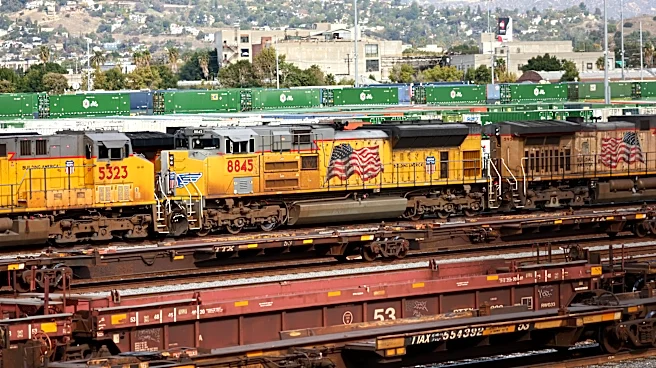
Union Pacific stated on November 5 that its passenger-rail obligations would remain intact if it proceeds with a merger with Norfolk Southern. Katie Novak, general director of interline operations, indicated that an internal review of routes, anticipating
freight growth, found sufficient capacity to uphold these passenger commitments. Union Pacific's analysis, which was reviewed by an independent expert, also examined historical periods where freight levels on shared routes met or exceeded projected post-merger levels. The company cited three existing projects as examples of its commitment: Norfolk Southern's collaboration on a second daily Pennsylvanian round trip between New York and Pittsburgh, Norfolk Southern's agreement with the Virginia Passenger Rail Authority for expanded Virginia Railway Express service and Amtrak Virginia extension, and Union Pacific's agreement to allow service from Chicago to Rockford. The Rail Passengers Association has filed to participate in the merger review, with a primary concern being the potential for passenger rail growth.
Why It's Important?
Union Pacific's assertion is crucial for the future of both freight and passenger rail services, particularly in the context of a potential major merger. The ability of freight railroads to accommodate passenger services is a long-standing point of contention and a significant factor in the expansion of passenger rail. By affirming its capacity, Union Pacific aims to alleviate concerns from passenger rail advocates and regulatory bodies like the Surface Transportation Board. A successful integration that allows for simultaneous growth in both sectors could set a precedent for future rail development, fostering a more efficient and integrated national rail network. This is important for economic reasons, as efficient freight transport supports supply chains, and for social reasons, as expanded passenger rail offers more sustainable and accessible travel options. The involvement of the Rail Passengers Association underscores the public interest in ensuring that freight operations do not impede the growth of passenger services.
What's Next?
The full analysis supporting Union Pacific's claims is available for public review as part of the merger application. The Surface Transportation Board will continue its review process, taking into account Union Pacific's findings and the concerns raised by stakeholders like the Rail Passengers Association. Union Pacific also plans to expand its 24/7 support desk for passenger rail to the combined entity and will continue working with states and agencies on the federal Corridor Identification and Development Program, which aims to plan new or expanded intercity passenger routes. The outcome of the merger review and the subsequent integration process will determine the practical implications for both freight and passenger rail services, particularly regarding shared infrastructure and operational coordination.
Beyond the Headlines
The discussion surrounding Union Pacific's merger and its impact on passenger rail highlights the complex operational and regulatory challenges of a shared rail network. The concept of 'co-existence' and 'growth together' for freight and passenger services is a critical policy objective, balancing the economic demands of freight with the public service aspect of passenger transport. This situation also brings to light the historical context of rail development in the U.S., where freight railroads often own the tracks used by passenger services, leading to potential conflicts over priority and capacity. The independent expert review and the public availability of the analysis suggest a move towards greater transparency and accountability in such large-scale infrastructure decisions. Ultimately, the resolution of these issues will shape the future landscape of American rail, influencing everything from regional connectivity to national economic efficiency and environmental sustainability.