





What's Happening?
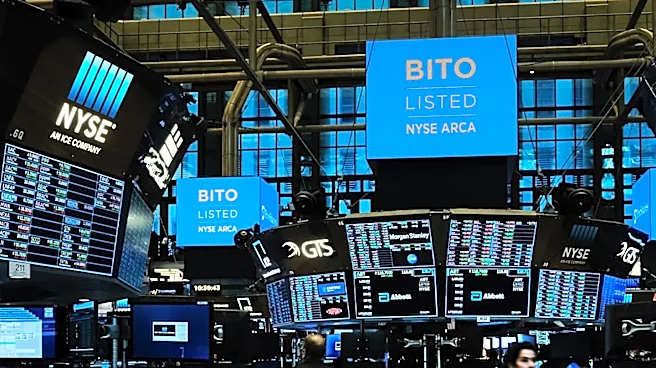
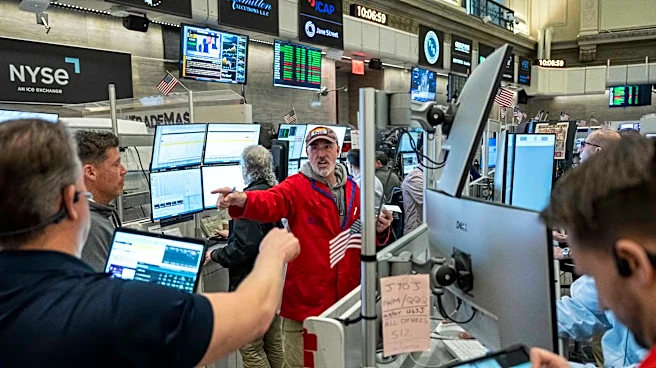
Beginning December 6, the Nasdaq Stock Market and NYSE Arca will extend trading hours for U.S. equities to 23 hours a day, five days a week (23/5). This new schedule will run from 9:00 p.m. ET Sunday through 8:00 p.m. ET Friday. The change introduces
a new overnight session from 9:00 p.m. to 4:00 a.m. ET, Sunday through Thursday, with a one-hour pause from 8:00 p.m. to 9:00 p.m. ET for system maintenance. While the NYSE itself is not extending its hours, NYSE-listed stocks will be tradable overnight on NYSE Arca and other participating exchanges. SEC staff from the Division of Trading and Markets have indicated that companies are not expected to need immediate or significant changes to their disclosure practices, such as releasing earnings, as the legal framework governing disclosure remains unchanged. However, companies are advised to monitor how overnight trading develops.
Why It's Important?
The shift to 23/5 trading significantly alters the landscape for U.S. equity markets, offering extended opportunities for trading but also introducing new considerations for public companies and investors. While overnight trading currently accounts for less than 1% of National Market System (NMS) share volume, primarily from foreign and retail investors, the extended hours could lead to increased volatility. A small number of overnight trades could disproportionately influence prices that carry into the pre-market session. Companies will need to confirm that their internal policies, equity plans, and transaction documents are robust enough to handle the new trading schedule. The change also impacts capital markets transactions, particularly 'overnight' offerings, as the reduced non-trading hours may complicate bookbuilding and pricing strategies. Investors, especially those trading during the less liquid overnight sessions, face potential risks from wider spreads and rapid price movements.
What's Next?
Companies are advised to review their policies, plans, broker arrangements, and documents to ensure they operate as intended under the new 23/5 trading schedule. While immediate changes to disclosure timing are not broadly recommended, companies should monitor overnight volume and volatility in their stock. If significant overnight trading or large price moves occur after-hours, companies may need to reconsider their release timing for material information. The SEC staff will continue to monitor and adjust the framework, including potential changes to dynamic price bands and reopening procedures, with the possibility of 24/7 trading in the future. Companies planning corporate actions should coordinate with their listing exchange well in advance, as new rules require trading halts the night before certain corporate actions take effect to allow for processing.
Beyond the Headlines
The extension of trading hours to nearly round-the-clock operations raises deeper questions about market efficiency, investor protection, and the nature of information dissemination. While the SEC maintains that disclosure obligations remain unchanged, the practical implications for companies to manage material nonpublic information in a continuously trading environment could evolve. The potential for increased volatility in less liquid overnight sessions could challenge the 'fraud-on-the-market' presumption in litigation, as the efficiency of these extended markets may be debated. Furthermore, the shift could subtly influence corporate culture, potentially increasing pressure on management teams to respond to market developments outside traditional business hours. The long-term impact on retail investor behavior and the accessibility of institutional-grade tools for individual traders in this extended market environment will also be a key area to watch.