




What's Happening?
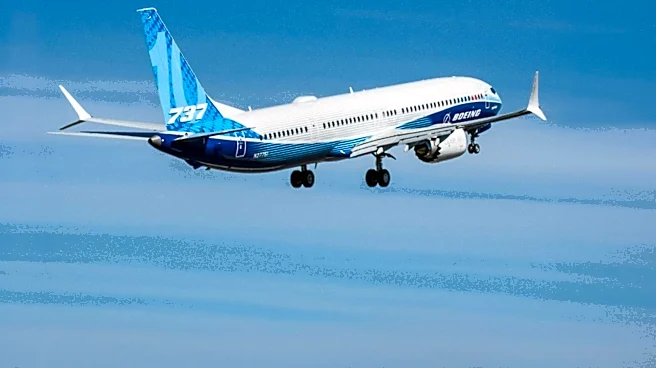
Alaska Airlines CEO Ben Minicucci has stated he is "not overly concerned" about a new software glitch that is further delaying the certification of Boeing's 737 Max 10. Boeing recently identified a problem in an updated software program that could disrupt
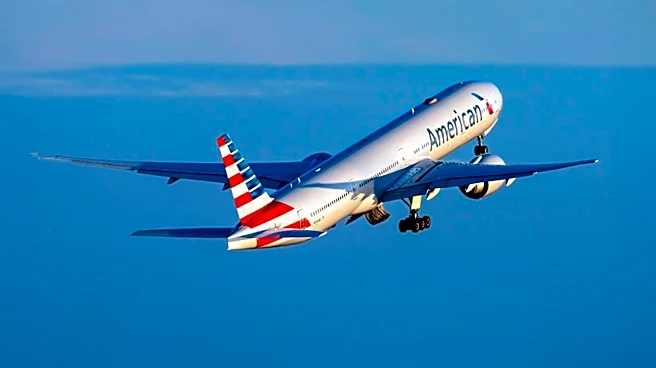
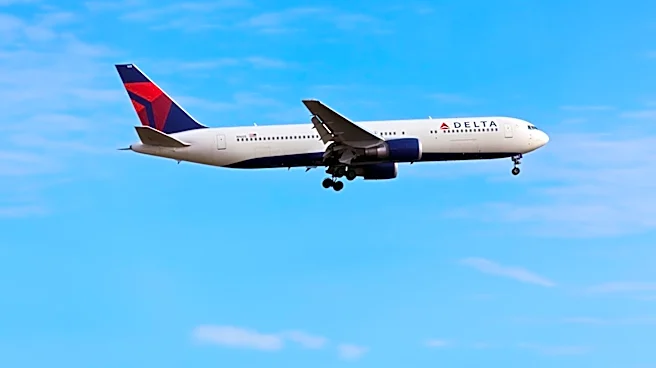
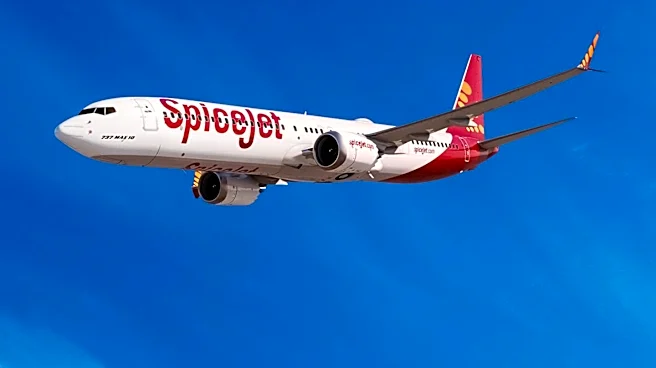
automated navigation information for pilots, specifically with the vertical navigation system after an aircraft misses an approach and needs to re-align for landing. This issue has prompted the Federal Aviation Administration (FAA) to assess the software, leading to a delay in the aircraft's approval. The Max 10 is the final model in Boeing's bestselling Max family awaiting federal approval, with customers including Alaska Airlines, United Airlines, Delta Air Lines, and American Airlines. European budget carrier Ryanair's CEO, Michael O'Leary, had previously anticipated certification within days, not weeks or months.
Why It's Important?
The continued delays in the certification of the Boeing 737 Max 10 have significant implications for U.S. airlines and the aviation industry. Airlines like Alaska, United, Delta, and American have placed substantial orders for the Max 10, and these delays can disrupt their fleet expansion plans, route scheduling, and overall operational efficiency. For Alaska Airlines, the delay could postpone the launch of its massive cabin overhaul, which includes lie-flat suites on the Max 10, slated to begin flying in late 2028. Such postponements can impact customer experience and competitive positioning. Boeing, a major U.S. manufacturer, faces ongoing scrutiny and financial pressure due to these certification hurdles, which can affect its stock performance and market confidence. The FAA's rigorous assessment underscores the paramount importance of aviation safety, especially following past incidents involving the Max series, ensuring that no aircraft is approved until all safety concerns are thoroughly addressed.
What's Next?
The immediate next step involves the FAA's continued assessment of the software issue on the Boeing 737 Max 10. Boeing will need to work closely with the FAA to resolve the identified glitch and demonstrate the aircraft's safety and compliance with all regulatory standards. Airlines like Alaska Airlines will monitor the situation closely, adjusting their fleet and operational plans as needed. While Alaska Airlines CEO Ben Minicucci is not "overly concerned," a prolonged delay could force a postponement of their planned Max 10 services, which are currently scheduled to begin in late 2028. The resolution of this issue will be critical for Boeing to regain full market confidence and for its airline customers to proceed with their expansion and modernization strategies. The timeline for certification remains uncertain, but the focus will be on a thorough and safe resolution.
Beyond the Headlines
This latest software glitch highlights the increasing complexity and reliance on advanced technology in modern aircraft, where even minor software anomalies can have significant safety and operational consequences. The incident also underscores the ongoing tension between rapid technological advancement and the need for stringent regulatory oversight to ensure public safety. For Boeing, it represents another challenge in rebuilding its reputation and trust following previous issues with the Max series. The ripple effect extends beyond the manufacturer and airlines to the broader supply chain and the traveling public, who depend on the timely and safe delivery of new aircraft. This situation could also influence future aircraft design and certification processes, potentially leading to even more rigorous software testing and validation protocols across the aerospace industry to prevent similar delays and ensure the integrity of automated systems.