
What's Happening?
Florida is recognized as a premier destination for kayaking, boasting nearly 600 springs and extensive coastal waterways that cater to various paddling preferences. The state's springs discharge approximately
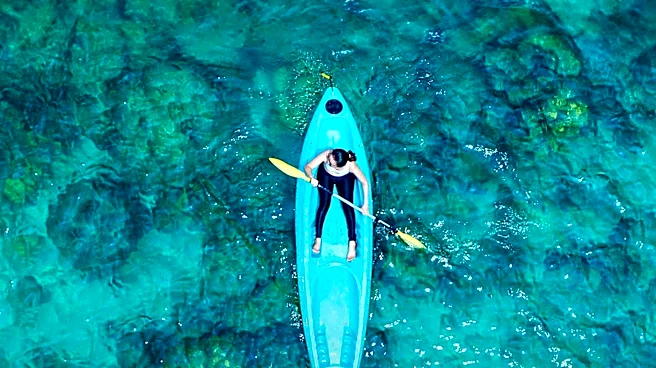
8 billion gallons of water daily, ensuring reliable flows throughout the year. Popular locations include Crystal River and Homosassa for manatee viewing, Ichetucknee and Weeki Wachee for longer river routes, and Alexander and Salt Springs for more remote, wilderness-style outings. Each location presents unique characteristics, such as tidal influences in Crystal River, strong currents in Weeki Wachee, and the clear, turquoise waters of Rainbow Springs. Paddlers are advised to consider factors like current, boat traffic, wildlife regulations, launch logistics, and crowd levels when planning their trips. Many springs, like Weeki Wachee and Rainbow Springs, require advance reservations or have daily launch caps, especially during peak seasons. Safety tips emphasize checking water levels, weather, tides, and carrying essential supplies like water, sun protection, and offline navigation tools.
Why It's Important?
The diverse kayaking opportunities in Florida significantly contribute to the state's tourism economy, attracting both domestic and international visitors seeking outdoor recreational activities. The preservation and accessibility of these natural spring systems are crucial for maintaining ecological balance and supporting local businesses that rely on tourism, such as rental companies, guided tour operators, and hospitality services. The emphasis on responsible paddling, including adherence to wildlife regulations and environmental protection, highlights a growing awareness of sustainable tourism practices. This also underscores the importance of conservation efforts to protect Florida's unique aquatic ecosystems, which are vital habitats for manatees and other wildlife. The varied offerings ensure that kayaking remains accessible to a wide range of participants, from beginners and families to experienced paddlers seeking challenging wilderness experiences, thereby promoting outdoor activity and appreciation for natural environments.
What's Next?
As the popularity of kayaking in Florida continues to grow, there will likely be increased focus on managing visitor impact and enhancing conservation efforts. State parks and local authorities may implement more stringent reservation systems, expand educational programs on wildlife interaction, and invest in infrastructure improvements to accommodate more paddlers while minimizing environmental disturbance. There could also be a trend towards promoting less-trafficked springs to distribute visitor loads and preserve the pristine nature of popular spots. Furthermore, advancements in kayaking equipment, such as clear-bottom kayaks, may become more widely available, offering enhanced viewing experiences. The ongoing monitoring of water quality and ecosystem health will remain critical to ensure these natural resources are sustained for future generations of paddlers and wildlife alike. Collaboration between environmental groups, tourism boards, and local communities will be essential in balancing recreational access with ecological preservation.
Beyond the Headlines
The extensive kayaking options in Florida reflect a broader cultural shift towards experiential travel and eco-tourism, where individuals seek authentic connections with nature. This trend has implications for regional development, as communities near these natural attractions may experience economic growth but also face challenges related to increased human footprint and resource management. The emphasis on responsible wildlife viewing, particularly with manatees, highlights evolving ethical considerations in human-wildlife interactions, promoting respect and non-interference. Legally, regulations surrounding spring access, vessel operation, and environmental protection are likely to become more complex, balancing public access rights with conservation imperatives. Culturally, these natural spaces serve as vital educational platforms, fostering environmental stewardship and appreciation for biodiversity among participants, potentially influencing broader public policy on conservation and outdoor recreation.