



What's Happening?
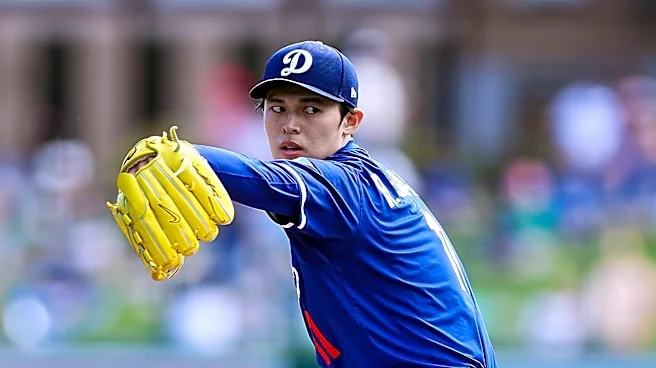
Los Angeles Dodgers manager Dave Roberts has indicated that pitcher and designated hitter Shohei Ohtani is nearing his return to pitching after experiencing left knee soreness and inflammation. Ohtani has been managing this knee issue for several months,
which stems from the repeated landing on his left leg during his pitching motion. Despite the soreness, Ohtani has only missed two games. Roberts stated that the team has been carefully managing his recovery, including a steady build-up process. Ohtani recently completed a live batting practice session, his first since pausing his pitching activities. He had previously engaged in bullpen sessions, and this live batting practice marks a significant final step before his return to the mound. Roberts mentioned that Ohtani needs one more live batting practice session before a full return is considered. The manager expressed optimism that the knee concerns are largely behind Ohtani for the current season, suggesting that he will be able to continue hitting without significant breaks.
Why It's Important?
Shohei Ohtani's potential return to pitching is a critical development for the Los Angeles Dodgers, significantly impacting their strategic options and overall performance as they head into the latter part of the season. Ohtani's dual-threat capability as both a dominant pitcher and a powerful hitter makes him a unique asset in Major League Baseball. His absence from pitching duties has limited the team's rotation depth and forced adjustments in game planning. A healthy return to the mound would provide a substantial boost to the Dodgers' pitching staff, offering another high-caliber arm for crucial games. This is particularly important for a team with championship aspirations, as having Ohtani fully unleashed in both roles maximizes their competitive advantage. For Ohtani, who is 32 years old and has a history of two-way play, managing this knee issue effectively is vital for his long-term career and continued success in a demanding role. His ability to perform at an elite level in both aspects of the game is a major draw for fans and a significant factor in the team's marketability and financial success.
What's Next?
The immediate next step for Shohei Ohtani is to complete one more live batting practice session, as indicated by manager Dave Roberts. Following this, discussions will occur between Ohtani, Roberts, and the training staff to determine the exact timeline for his return to game pitching. September has been identified as the target month for his return, with an expectation that he will be back early in the month. Upon his return, Ohtani will likely start with a limited number of innings, gradually increasing his workload as he demonstrates his ability to handle it without exacerbating his knee condition. The team will closely monitor his performance and physical response to ensure a sustainable return. This phased approach aims to prevent further injury and allow him to ramp up slowly, ensuring he is in optimal condition for any potential postseason play. The successful management of his return will be crucial for the Dodgers' playoff push and Ohtani's continued impact as a two-way player.
Beyond the Headlines
The careful management of Shohei Ohtani's knee injury and his phased return to pitching highlights a broader trend in professional sports regarding athlete longevity and performance optimization, especially for multi-faceted players. Ohtani's unique role as a two-way player places immense physical demands on his body, making injury prevention and recovery protocols paramount. The Dodgers' cautious approach reflects a strategic investment in their star player's long-term health and sustained elite performance, rather than rushing him back and risking further setbacks. This situation also underscores the evolving understanding of sports medicine and rehabilitation, where personalized recovery plans are tailored to the specific biomechanics and demands of an athlete's role. The success of Ohtani's return could set a precedent for how other teams manage similar high-value, multi-skilled athletes, emphasizing the balance between immediate competitive needs and the athlete's career longevity. It also reinforces the ethical considerations of player welfare in high-stakes professional sports.