



What's Happening?
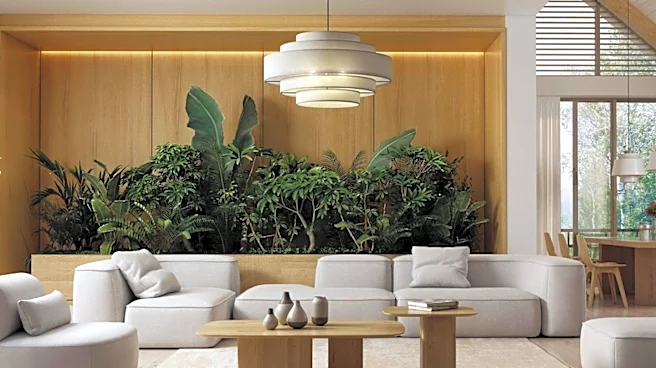
Modular sofa beds are gaining popularity as a versatile furniture solution for modern homes, particularly in smaller living spaces. These furniture pieces are designed with compartments that can be reassembled into various shapes, functioning as a regular
sofa during the day and transforming into a bed at night. Companies like FlexiSpot are offering modern designs that prioritize comfort, durability, and space-saving features. The appeal of modular sofa beds lies in their dual purpose, allowing a single piece of furniture to serve multiple roles, unlike a dedicated guest room that might be used infrequently. While they offer significant space-saving advantages and can be more cost-effective than furnishing an entire guest room, the decision to replace a guest room with a modular sofa bed depends on factors such as the frequency of guests, the size of the home, and the desired comfort level. For short-term stays or occasional visitors, a modular sofa bed can be a suitable and efficient alternative.
Why It's Important?
The increasing adoption of modular sofa beds in U.S. homes reflects a broader societal trend towards optimizing living spaces, driven by factors such as urbanization, rising housing costs, and a preference for minimalist lifestyles. For consumers, these furniture solutions offer a practical way to maximize the utility of their homes without sacrificing functionality or aesthetics. For the furniture industry, this trend highlights a growing market for innovative, adaptable, and space-saving designs. Manufacturers and retailers are responding by developing products that blend comfort with versatility, catering to the needs of apartment dwellers, young couples, and families with occasional guests. This shift also impacts interior design, encouraging more flexible and multi-functional room layouts, where spaces can easily transition between different uses throughout the day.
What's Next?
The market for multifunctional furniture, including modular sofa beds, is expected to continue expanding as urban living becomes more prevalent and consumers seek efficient home solutions. Future developments may include further advancements in materials for enhanced comfort and durability, as well as more sophisticated modular designs that offer greater customization and ease of transformation. We might also see increased integration of smart technology into these furniture pieces, such as built-in charging, lighting, or even automated conversion mechanisms. As consumer awareness grows, there could be a greater emphasis on the environmental impact of furniture production, leading to more sustainable and eco-friendly modular options. The competition among furniture companies to offer innovative and aesthetically pleasing solutions will likely intensify, driving further product diversification and feature enhancements.
Beyond the Headlines
The shift towards modular sofa beds and similar multifunctional furniture pieces signifies a cultural re-evaluation of how we perceive and utilize living spaces. It challenges the traditional concept of dedicated rooms for specific functions, promoting a more fluid and adaptable approach to home design. This trend can foster creativity in interior decorating, encouraging individuals to think innovatively about how their furniture can serve multiple purposes. On a broader scale, it reflects a growing consciousness about resource efficiency and sustainability, as consumers opt for fewer, more versatile items rather than accumulating single-use pieces. The psychological impact of living in adaptable spaces, where clutter is minimized and functionality is maximized, could also contribute to a sense of calm and well-being, aligning with broader lifestyle trends emphasizing simplicity and mindfulness.