





What's Happening?
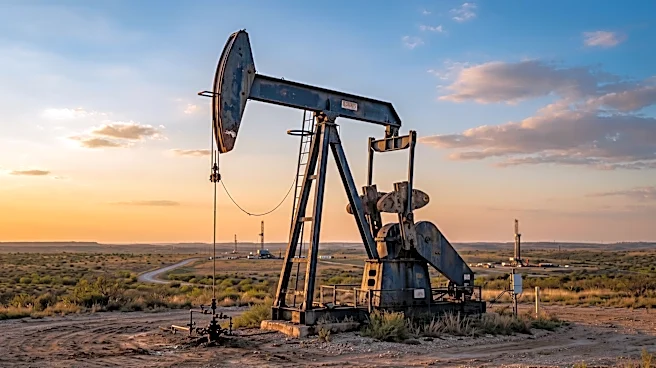
A new paper from the Brookings Papers on Economic Activity (BPEA) indicates that the long-standing link between oil price spikes and U.S. recessions has significantly weakened. This shift is attributed to the U.S. transition from a major petroleum importer
to a net exporter, largely due to the shale revolution. Authors Diego Känzig of Northwestern University, James Stock of Harvard University, and Luca Zanotti of Northwestern University found that consumer spending, stock valuations (even in energy-intensive sectors like airlines), and employment now respond more favorably to oil shocks. The study suggests that a 2022 oil price surge, which would have reduced industrial production by 1% to 2% under early 2000s trade conditions, instead contributed to an expansion under current conditions, explaining why it did not trigger a recession. This fundamental change alters how oil shocks impact the U.S. economy, moving it closer to the economic responses seen in oil-producing nations.
Why It's Important?
This research is crucial for understanding contemporary U.S. economic resilience and for informing monetary policy decisions. For decades, oil price increases were considered a harbinger of economic downturns, leading to cautious or contractionary policy responses. The new findings suggest that the Federal Reserve and other economic policymakers may need to re-evaluate their models and reactions to oil market fluctuations. The U.S. economy now appears to benefit from higher oil prices in a broader sense, with positive impacts on employment and stock prices extending beyond just the oil sector. This implies that oil price spikes, while still inflationary, no longer present the same stagflationary dilemma for central banks. This shift could lead to different monetary policy strategies, potentially allowing the Fed to respond more aggressively to inflation stemming from oil shocks without as much concern for negative impacts on output.
What's Next?
The findings from this Brookings paper are likely to influence economic forecasting and policy discussions within the U.S. government and financial institutions. Economists and policymakers will need to integrate this updated understanding of oil shock transmission into their models for predicting economic performance and formulating responses. The Federal Reserve, in particular, may adjust its approach to managing inflation and economic stability in the face of future oil price volatility. This could mean a more nuanced response to energy price increases, potentially focusing more directly on inflationary pressures rather than anticipating an automatic recessionary impact. Further research will likely explore the full extent of these new economic dynamics, including how different sectors are affected and the long-term implications for U.S. trade balances and energy policy.
Beyond the Headlines
The transformation of the U.S. from an oil importer to an exporter represents a profound structural shift with far-reaching implications beyond immediate economic cycles. This change enhances U.S. energy security, reducing its vulnerability to geopolitical events in oil-producing regions. It also alters the nation's terms of trade, as higher oil prices now mean more wealth flowing into the U.S. rather than out. This newfound economic resilience to oil shocks could empower the U.S. to pursue foreign policy objectives with greater independence from energy considerations. However, it also presents new challenges, such as managing the environmental impact of increased domestic oil production and navigating the complexities of being a major energy producer in a world transitioning to renewable energy. The study highlights a fundamental reordering of global economic power dynamics related to energy, positioning the U.S. in a significantly different role than it has occupied for much of the post-World War II era.