




What's Happening?
Instacart has announced the discontinuation of its Caper Cart smart shopping cart business, citing that retailer adoption did not scale quickly enough to justify continued investment. The company is now redirecting its resources towards in-store technologies
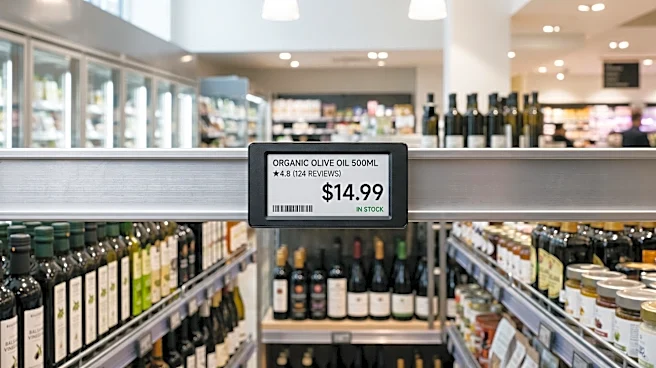
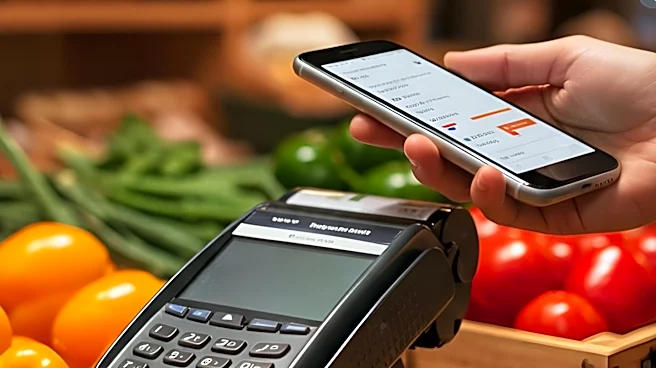
that it believes can achieve greater impact and scalability. This decision comes as retailers are increasingly moving away from expensive physical in-store devices and instead leveraging customer smartphones for functions like scanning, loyalty programs, and payments. The smart cart concept, while promising to streamline checkout and offer personalized promotions, presented complexities for retailers, including substantial investment, maintenance, and operational considerations related to shrink and transaction responsibility. Instacart plans to focus more heavily on in-store intelligence and software, such as smart price tags and computer vision.
Why It's Important?
This shift by Instacart highlights a critical re-evaluation within the grocery technology sector regarding the viability and practical implementation of in-store innovations. The move underscores that for new technologies to succeed, they must not only be impressive in concept but also solve meaningful problems in a way that retailers can operationalize and financially support. The challenges faced by Caper Carts, including high investment costs and operational complexities for retailers, suggest a broader industry trend where solutions that integrate seamlessly with existing infrastructure and leverage ubiquitous consumer devices like smartphones may gain more traction. This could lead to increased investment in mobile-first retail solutions and a more cautious approach to hardware-intensive in-store technologies, impacting technology providers and retailers' innovation strategies.
What's Next?
Following the discontinuation of Caper Carts, Instacart is expected to intensify its focus on developing and deploying software-based in-store intelligence solutions, including smart price tags and computer vision technologies. This strategic pivot suggests that future innovations from Instacart will likely aim to integrate more deeply with retailers' existing systems and leverage customer-owned devices, potentially leading to more accessible and scalable solutions for grocers. The broader retail technology landscape may see an acceleration in the adoption of scan-and-go technologies via mobile apps, as these offer similar convenience benefits without the significant capital investment associated with smart carts. Retailers will continue to seek technology solutions that offer measurable value, improve operational efficiency, and enhance the customer experience without introducing undue complexity or cost.
Beyond the Headlines
The decision by Instacart to wind down its smart cart business reflects a deeper lesson in retail innovation: the importance of practical scalability and demonstrable return on investment. While smart carts offered an advanced vision of the shopping experience, their failure to achieve widespread adoption points to the inherent challenges of introducing complex, capital-intensive hardware into a margin-sensitive industry like grocery. This development could signal a broader trend where the retail sector prioritizes agile, software-driven solutions that can be easily integrated and updated, over proprietary hardware that requires significant upfront investment and ongoing maintenance. It also emphasizes the growing power of the consumer's smartphone as a central tool for in-store engagement, potentially accelerating the convergence of online and offline shopping experiences through mobile technology.