



What's Happening?
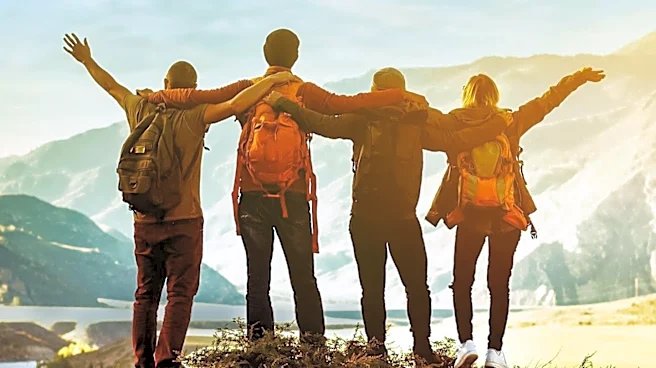
Solo group travel is emerging as a significant trend for U.S. travelers, offering a middle ground between independent adventures and traditional organized tours. This travel style allows individuals to book trips without needing a companion, while still
providing a ready-made small group for social interaction. Key benefits include built-in social connection, simplified logistics with organized accommodation and transport, and access to experiences that might be challenging to arrange alone. Companies like Flash Pack, Exodus Adventure Travels, Solos Holidays, and Adventure360 are catering to this demand by offering organized adventures specifically designed for solo participants. This trend addresses the common challenge of differing budgets, annual leave allowances, and life stages among friends, enabling travelers to choose destinations and dates that suit them without external dependency. The appeal of 'solo-ish' travel, where individuals blend independence with planned meet-ups with friends or family at their destination, is also growing, as highlighted by Motto by Hilton's observation that nearly one-third of travelers have engaged in this type of travel.
Why It's Important?
This shift in travel preferences has significant implications for the U.S. tourism and hospitality industries. The rise of solo group travel and 'solo-ish' travel indicates a growing market segment that values both independence and social connection. Travel companies that adapt their offerings to provide curated experiences with built-in social opportunities and logistical support stand to gain a competitive advantage. This trend can lead to the development of more specialized tour packages, age-aligned groups, and flexible itineraries that cater to the unique needs of solo travelers. For individuals, it democratizes travel, making more ambitious or logistically complex destinations accessible and providing confidence in unfamiliar environments. The emphasis on personal growth, recharging, and making meaningful connections, as noted in Hilton's 2027 Trends Report, suggests that travelers are seeking more than just a vacation; they desire transformative experiences. This could drive innovation in travel product development, focusing on authentic cultural immersion and wellness-oriented trips.
What's Next?
The travel industry is likely to see continued innovation in solo group travel offerings. Companies will probably expand their range of destinations and activity types, further refining group dynamics, such as age-specific or interest-based groups, to enhance traveler compatibility. There may be an increased focus on transparently outlining what is included in the cost, such as guides, experiences, and internal transfers, to help travelers assess value beyond the upfront price. As 'solo-ish' travel gains traction, hotels and resorts might introduce more flexible booking options and on-site social activities to facilitate connections for guests who arrive alone but are open to meeting others. Furthermore, the integration of technology to streamline planning and enhance the travel experience, while maintaining a human touch, will be crucial. Travelers can expect more personalized itineraries and greater flexibility within organized tours, allowing for a balance between structured activities and independent exploration.
Beyond the Headlines
The growing popularity of solo group travel reflects broader societal shifts towards individualism combined with a persistent human need for connection. In an increasingly digital world, these travel experiences offer tangible, in-person social interactions that can combat feelings of isolation. It also highlights a changing perception of 'solo' travel, moving away from the idea of complete solitude towards a more communal yet independent approach. This trend could empower more individuals, particularly women, to explore the world, as the built-in safety and logistical support of group travel can mitigate concerns about navigating unfamiliar places alone. The emphasis on personal growth and self-discovery through travel suggests a deeper cultural value being placed on experiential learning and mental well-being, positioning travel as a tool for self-improvement rather than just leisure. This evolution in travel behavior may also influence how destinations market themselves, focusing on community, safety, and unique, curated experiences.