


What's Happening?
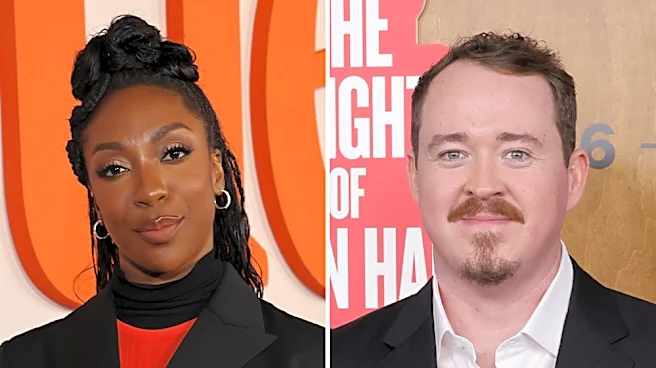
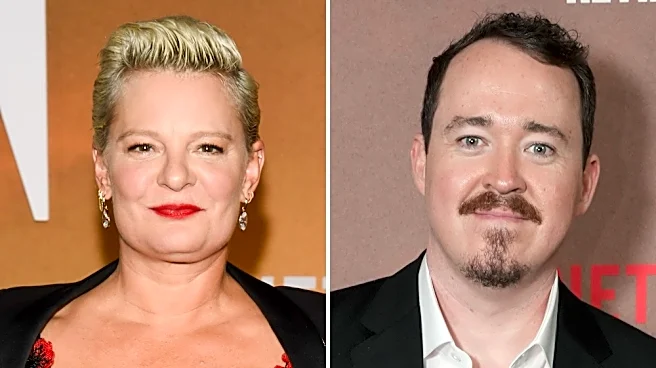
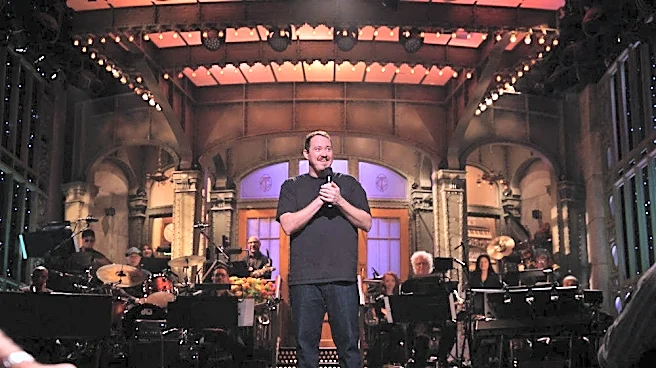
Saturday Night Live (SNL) and its network, NBC, have not publicly commented on the growing backlash against comedian Shane Gillis' recent monologue on the show. During his appearance, Gillis made controversial remarks, including describing women working
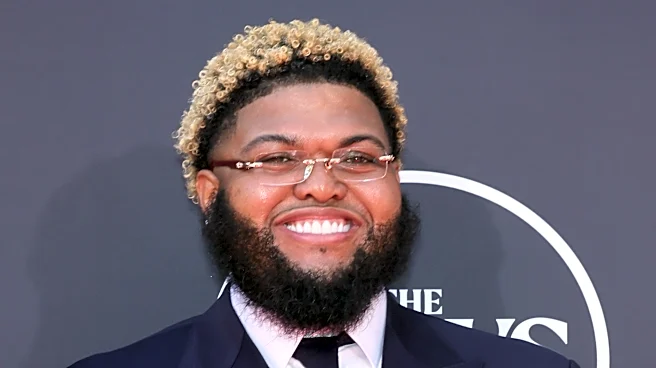
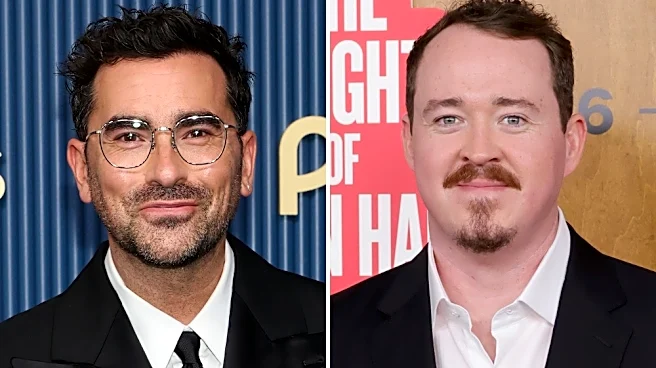
out as 'whores' and using the term 'artificial bait' for their attire. This silence follows a pattern for SNL, which has historically refrained from commenting on controversies involving its hosts or cast members, such as the backlash surrounding Dave Chappelle's transphobic comments in 2021. The current controversy has drawn criticism from various individuals, including former SNL cast members Cecily Strong and Ego Nwodim, who have publicly expressed their disapproval on social media. A graphic designer working on SNL, Jessie Leo, also voiced concerns about the workplace environment, questioning how employees can feel comfortable reporting issues to HR given the show's apparent endorsement of Gillis's joke. Dan Levy, star of 'Schitt's Creek,' further condemned Gillis's comments, emphasizing that women's attire does not justify such characterizations and calling for more men to speak out against misogyny.
Why It's Important?
The ongoing silence from SNL and NBC regarding Shane Gillis's controversial monologue is significant as it highlights the entertainment industry's approach to managing public relations crises and the perceived normalization of offensive content. By choosing not to comment, SNL risks being seen as tacitly endorsing the controversial remarks, which could alienate portions of its audience and staff. The strong reactions from former cast members like Cecily Strong and Ego Nwodim, as well as other public figures, underscore a broader societal debate about misogyny, workplace safety, and accountability in comedy. This situation could impact SNL's reputation as a progressive and inclusive platform, potentially affecting its viewership and its ability to attract diverse talent. Furthermore, the incident raises questions about the responsibility of media organizations in addressing harmful rhetoric, especially in a climate where discussions around sexual violence and victim-blaming are prevalent. The lack of official response from the show could also set a precedent for how similar controversies are handled in the future within the entertainment landscape.
What's Next?
Given SNL's historical pattern of remaining silent during controversies, it is likely that the show and NBC will continue to avoid making a public statement regarding Shane Gillis's monologue. This strategy aims to allow the controversy to dissipate over time without further fueling public debate. However, the ongoing criticism from former cast members, industry figures, and social media users suggests that the issue may continue to generate discussion, particularly online. The impact on SNL's brand and audience perception will likely be a long-term consideration, as the show navigates its role in contemporary cultural conversations. Future guest selections and comedic content may be scrutinized more closely in light of this incident. There is also a possibility that internal discussions within NBC and SNL leadership may occur regarding content guidelines and host vetting processes, even if these discussions are not made public. The incident could also prompt further public discourse on the boundaries of comedy and the responsibilities of comedians and media platforms.
Beyond the Headlines
The controversy surrounding Shane Gillis's SNL monologue and the show's subsequent silence delves into deeper implications concerning the evolving landscape of comedy, free speech, and corporate responsibility. Ethically, SNL's decision to remain quiet can be interpreted as prioritizing institutional stability over addressing potentially harmful rhetoric, raising questions about the moral obligations of major media platforms. This incident also highlights the tension between artistic freedom in comedy and the increasing demand for social accountability, particularly regarding issues of misogyny and discrimination. The public outcry, especially from women and former cast members, underscores a broader cultural shift where audiences and employees are less willing to tolerate offensive content without challenge. This event could contribute to a re-evaluation within the entertainment industry about what constitutes acceptable humor and the potential impact of such content on diverse audiences and workplace environments. It also reflects the ongoing struggle to balance traditional comedic styles with contemporary social sensitivities, potentially influencing future content creation and talent selection across the industry.