







What's Happening?
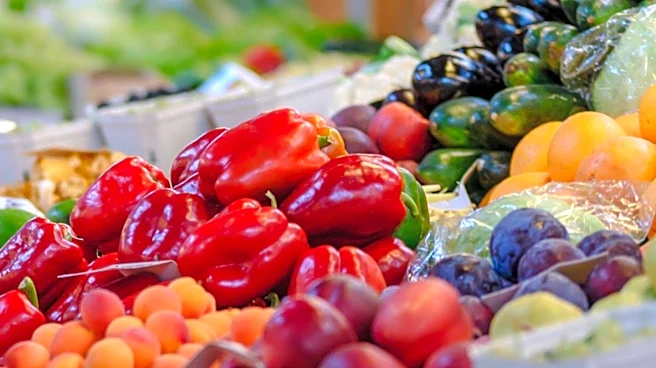
Japanese Red bell peppers, known locally as 'piman,' are now available in limited areas within the United States during the summer and fall seasons. These peppers are distinct from their American counterparts, being roughly one-third the size and more
narrowly shaped. They feature a thinner skin, which reduces cooking time, and contain multiple dark brown seeds. The flavor profile of Japanese Red bell peppers is characterized by sweetness with a slightly bitter aftertaste. While the red variety is sweet, green varieties, which are picked when unripe, are not as sweet. This availability offers U.S. consumers a unique produce option, expanding the diversity of bell peppers in the market.
Why It's Important?
The introduction of Japanese Red bell peppers to U.S. markets signifies a growing trend in agricultural imports and consumer demand for diverse produce. This availability can impact local culinary scenes, encouraging chefs and home cooks to experiment with new flavors and textures. For specialty grocers and farmers' markets, offering unique items like 'piman' can attract a niche clientele interested in international ingredients. Economically, it creates new import opportunities and potentially new revenue streams for distributors. Furthermore, it highlights the increasing globalization of food systems, where seasonal produce from one region can be made available in another, influencing dietary habits and culinary innovation across the U.S.
What's Next?
As Japanese Red bell peppers gain traction, their availability may expand beyond limited areas, potentially becoming more common in mainstream grocery stores. This could lead to increased demand for similar specialty produce from other regions. Consumers might see more recipes and culinary applications featuring these peppers, further integrating them into American cuisine. The success of 'piman' could also encourage more agricultural trade agreements and partnerships, bringing a wider array of international produce to U.S. tables. Future developments might include local cultivation efforts if demand proves substantial, potentially leading to domestic production of these unique bell peppers.
Beyond the Headlines
The presence of Japanese Red bell peppers in the U.S. reflects broader cultural exchange and the evolving palate of American consumers. It underscores a shift towards greater culinary adventurousness and an appreciation for authentic international ingredients. This trend can also raise awareness about sustainable sourcing and the environmental impact of importing produce. Ethically, it prompts discussions about fair trade practices and supporting international farmers. Culturally, it enriches the American food landscape, offering a taste of Japanese culinary traditions and fostering a deeper connection to global food heritage.