





What's Happening?
The pharmaceutical industry is experiencing a resurgence as it enters the second-quarter earnings season, buoyed by a wave of mergers and acquisitions and easing regulatory pressures. The biotech sector, tracked by the XBI fund, has returned to pandemic
peak levels, indicating a recovery from previous downturns. Major acquisitions in Q2 include Sun Pharma's $11.75 billion acquisition of Organon and AbbVie's $10.9 billion purchase of Apogee. The industry is also seeing increased investment, with Isomorphic Labs closing a $2.1 billion series B round. However, companies like Amgen and Gilead face challenges due to market factors, while Eli Lilly and Pfizer are closely watched for their developments in the obesity market.
Why It's Important?
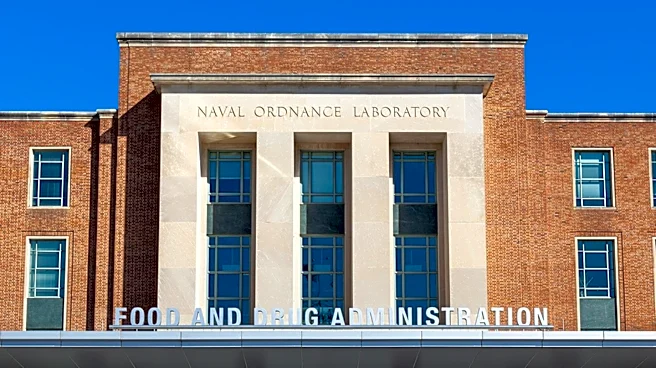
The current momentum in the pharmaceutical sector highlights a shift towards growth and innovation, driven by strategic acquisitions and favorable policy changes. This environment is fostering increased investment and interest in new therapeutic areas, such as obesity and personalized medicine. The easing of regulatory concerns, particularly with the departure of former FDA Commissioner Marty Makary, is contributing to a more favorable landscape for pharmaceutical companies. This could lead to accelerated drug development and market entry, benefiting both the industry and patients seeking new treatments.
What's Next?
As the year progresses, the pharmaceutical industry is expected to continue its focus on strategic acquisitions and innovation. Companies like Eli Lilly and Pfizer are anticipated to make significant strides in the obesity market, with potential new product launches and data readouts. The sector's robust catalyst calendar suggests ongoing deal activity and optimism, which could further drive growth. However, companies facing regulatory challenges, such as Amgen, will need to navigate these hurdles to maintain their market positions.