







What's Happening?
Gustavo Pimenta, CEO of Vale, recently discussed the significant role of copper within the company's portfolio at the FT Metals & Mining Summit in London. Pimenta emphasized Vale's strong red metal prospects for the coming decade, asserting that the company anticipates
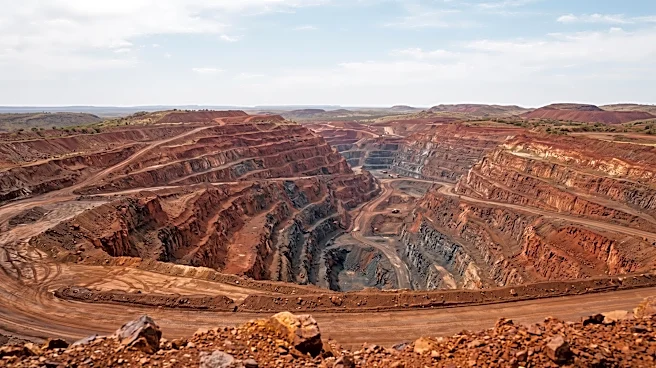
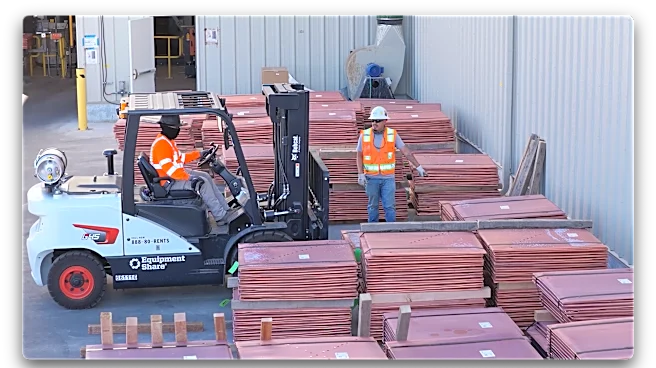
the highest percentage growth in copper production among major mining companies. He outlined plans to increase copper output to 700,000 tons per year by 2035, a substantial rise from the projected 380,000 tons per year in 2025. The majority of this growth is expected to originate from Brazil and will be managed by Vale Base Metals (VBM), led by CEO Shaun Usmar. Pimenta also noted that a previously considered Initial Public Offering (IPO) for VBM is no longer imminent, with its timing and likelihood dependent on funding future growth projects and delivering shareholder value. Additionally, Vale's iron ore production portfolio is expected to reach approximately 360 million tons per year, up from the current 335 million tons per year, and will include strategically important low alumina iron products.
Why It's Important?
This announcement from Vale's CEO, Gustavo Pimenta, carries significant implications for the global mining industry and the U.S. market, particularly given the increasing demand for copper in various sectors, including renewable energy and electric vehicles. Vale's projected growth in copper output could help stabilize or increase the supply of this critical metal, potentially influencing prices and availability for U.S. manufacturers and consumers. The decision to delay the VBM IPO suggests a strategic shift in how Vale plans to finance its expansion, which could impact investment opportunities and the competitive landscape within the base metals market. For U.S. businesses reliant on copper, a more robust and predictable supply from a major producer like Vale could mitigate supply chain risks and support growth in industries that are key to the U.S. economy. Conversely, any fluctuations in Vale's production or strategic decisions could have ripple effects on global commodity markets, affecting U.S. import costs and the profitability of domestic industries.
What's Next?
In the coming years, Vale is expected to focus on executing its strategy to boost copper output, primarily from its operations in Brazil under Vale Base Metals (VBM). The company will likely continue to evaluate the market conditions and its internal funding requirements before reconsidering any potential IPO for VBM. Stakeholders, including investors and industry analysts, will be closely monitoring Vale's progress towards its 2035 copper production target of 700,000 tons per year. The company's iron ore production will also be a key area of focus, with plans to increase output to around 360 million tons per year, including the development of low alumina iron products. These developments will influence global commodity markets and could lead to further strategic announcements regarding partnerships, investments, or operational expansions as Vale works to achieve its long-term production goals.
Beyond the Headlines
The strategic emphasis on copper by a major mining entity like Vale reflects a broader global trend driven by the energy transition and the increasing electrification of various industries. Copper is a fundamental component in electric vehicles, renewable energy infrastructure, and advanced electronics, making its supply critical for achieving sustainability goals worldwide. Vale's commitment to significantly increasing its copper output underscores the long-term demand outlook for this metal and highlights the ongoing shift in mining priorities from traditional commodities to those essential for a green economy. The decision to postpone the VBM IPO also suggests a cautious approach to capital markets, potentially indicating a preference for internal financing or alternative funding mechanisms to support large-scale growth projects. This could set a precedent for other mining companies navigating similar expansion plans in a volatile economic environment, influencing future investment strategies across the sector.