



What's Happening?
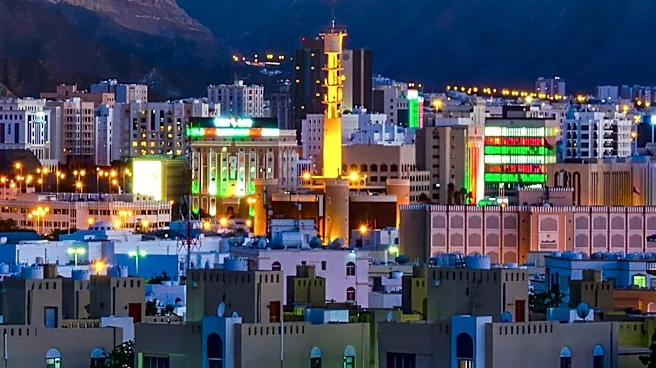
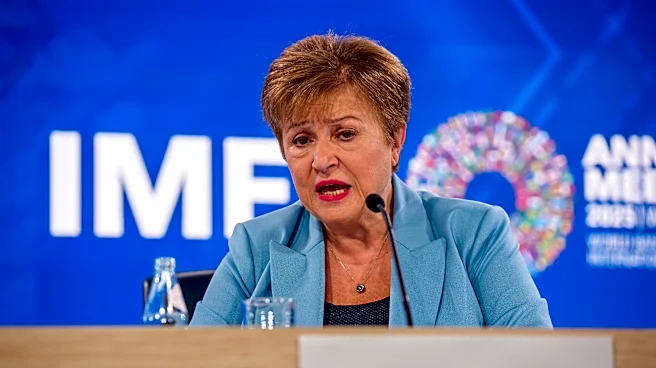
The International Monetary Fund (IMF) has increased its economic growth projection for Oman in 2026 to 4.5%, an upgrade from its previous October estimate of 4.1% and a June forecast of approximately 3.7%. This revised outlook is primarily attributed
to heightened activity within the oil sector and sustained expansion in non-oil economic areas. The IMF's assessment, following Article IV consultation talks in Muscat from October 25 to November 8, 2026, indicates a favorable economic outlook for Oman despite increased global uncertainties. The country's economic resilience is supported by robust logistics activity and prudent policies, which have helped mitigate disruptions from regional geopolitical developments. Real GDP in Oman grew by 3.8% in the first half of 2026, although non-hydrocarbon activity is expected to expand at a more modest 1.4%, with sectors like construction, manufacturing, and tourism lagging. The fiscal situation also appears strong, with a surplus reaching 1.9% of GDP in the first half of the year, and projections for an average of 5.3% of GDP across 2026 and 2027 combined. Public debt has decreased to 30.4% of GDP by June 2026, down from 34.7% at the end of 2025, contributing to Fitch's decision to upgrade Oman to investment grade in December 2025.
Why It's Important?
This upgraded growth forecast for Oman by the IMF signals a positive economic trajectory for a key Middle Eastern nation, which can have ripple effects on global energy markets and international investment. Oman's economic stability, driven by both oil and non-oil sectors, provides a degree of predictability in a region often characterized by volatility. For U.S. businesses and investors, a stable and growing Omani economy could present opportunities in various sectors, particularly as the country pursues diversification under Vision 2040. The reduction in public debt and the maintenance of fiscal and current account surpluses enhance Oman's attractiveness as a destination for foreign direct investment. Furthermore, the IMF's endorsement of the Omani rial's peg as a credible monetary anchor reinforces confidence in the country's financial stability. The emphasis on strengthening economic resilience and diversification aligns with broader global efforts to reduce reliance on single commodities, making Oman a potentially more sustainable long-term partner for international trade and investment.
What's Next?
Oman is expected to continue its focus on fiscal discipline and economic diversification under Vision 2040. The IMF has advised that any further household or business support related to regional conflicts should be temporary, targeted, and transparent. Additionally, the Fund recommends utilizing oil windfalls to rebuild financial buffers and strengthening tax administration, public investment efficiency, and subsidy phase-outs. Progress on the Monetary Policy Enhancement Project, including the implementation of an interest-rate corridor and an overnight rial standing deposit facility, is also encouraged. The banking sector, assessed as sound with strong capital adequacy and liquidity, is urged to fully implement the 2025 Financial Sector Assessment Program recommendations and improve macroprudential policy frameworks and crisis management arrangements. These steps are crucial for Oman to sustain its economic momentum and enhance its resilience against future shocks.
Beyond the Headlines
The IMF's positive assessment of Oman's economy, particularly its resilience amidst regional geopolitical tensions, highlights the strategic importance of stable governance and prudent economic policies in navigating complex global environments. The focus on non-oil sector growth and diversification under Vision 2040 reflects a broader trend among Gulf Cooperation Council (GCC) countries to reduce their dependence on hydrocarbon revenues. This long-term strategic shift has implications for global energy transition efforts and the development of new economic partnerships. The emphasis on fiscal discipline and strengthening financial sector oversight also underscores a commitment to sustainable economic development, which can serve as a model for other emerging economies. The ability of Oman to maintain its economic stability and attract investment, even with ongoing regional challenges, suggests a maturing economic framework that prioritizes long-term growth and resilience over short-term gains.