







What's Happening?
Researchers at VTT Technical Research Centre of Finland have made significant advancements in the production of mushroom leather, positioning it as a promising ethical and recyclable alternative to traditional animal leather and plastic-based synthetics.
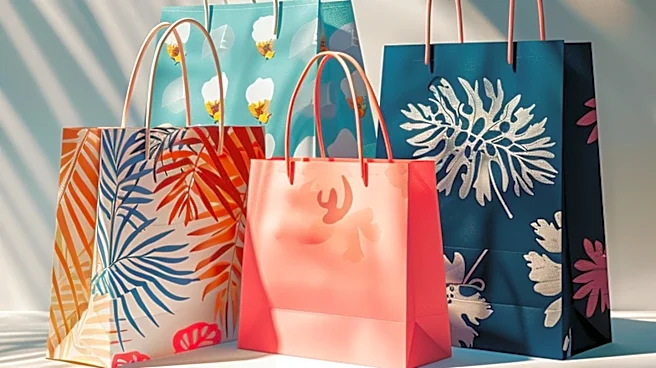
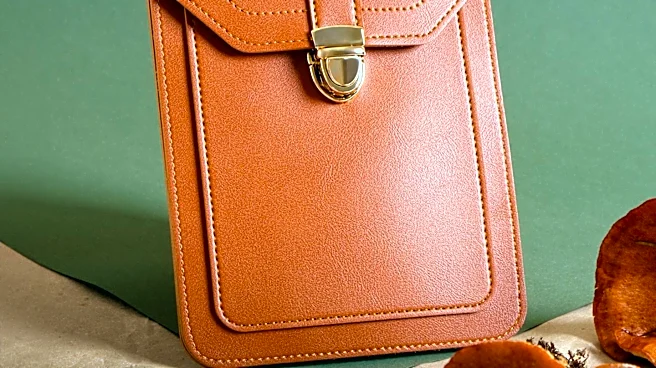
The new approach involves processing fungal biomass into a thick, wet, pulpy mass, growing it in a nutrient-rich liquid, and then mixing it with sorbitol and cellulose. This method enhances the material's flexibility and durability. Laboratory tests have shown the resulting mushroom leather to possess durability and strength comparable to traditional leather, with a prototype handbag successfully created. A key advantage is its recyclability; the material broke down in water within 28 days and fully disintegrated under industrial composting conditions in six weeks. While the material still requires improvements in tear resistance for mass production, the research indicates it is nearing readiness for the fashion industry.
Why It's Important?
This development holds significant importance for U.S. industries, particularly in fashion, manufacturing, and sustainability. The fashion industry, a major consumer of leather, faces increasing pressure to adopt ethical and environmentally friendly practices. Mushroom leather offers a viable solution to the ethical concerns associated with animal leather and the environmental problems posed by plastic-based synthetic leathers, which are difficult to recycle. For U.S. manufacturers, this innovation could open new avenues for sustainable product development and create new markets for bio-based materials. The recyclability of mushroom leather addresses growing concerns about waste and pollution, aligning with broader environmental goals. This could lead to a reduction in the carbon footprint of consumer goods and offer consumers more sustainable choices, potentially influencing purchasing habits and corporate supply chains across the nation.
What's Next?
The immediate next step for mushroom leather is to enhance its tear resistance to meet the demands of mass production. Researchers will likely focus on further refining the material's composition and manufacturing processes to improve its mechanical properties. Following this, efforts will concentrate on scaling up production, potentially leveraging existing biotechnology and printing industry equipment to reduce financial barriers. Collaboration between research institutions and fashion or manufacturing companies will be crucial for commercialization. We can anticipate pilot projects and limited-edition product launches to test market acceptance and gather consumer feedback. If successful, mushroom leather could see broader adoption in various industries beyond fashion, such as automotive interiors or furniture, as its properties are further optimized and production costs become competitive.
Beyond the Headlines
The emergence of mushroom leather signifies a deeper shift towards bio-economy and circular economy principles, challenging conventional material sourcing and waste management. This innovation highlights the potential of biotechnology to address complex environmental and ethical dilemmas in manufacturing. It could inspire further research into other bio-based materials, fostering a new era of sustainable product development. Culturally, the acceptance of mushroom leather could reflect a growing consumer preference for products that align with environmental values, potentially influencing design aesthetics and brand narratives. Legally and ethically, it could prompt discussions around certification standards for sustainable materials and the true cost of production, including environmental externalities. This development is not just about a new material; it's about a paradigm shift in how industries approach sustainability, innovation, and consumer responsibility.