






What's Happening?
The Red Sea International Film Festival has announced the postponement of its sixth edition, originally scheduled for December 3 to 12, 2026, in Historic Jeddah. The festival will now take place in the fourth quarter of 2027. The Red Sea Film Foundation
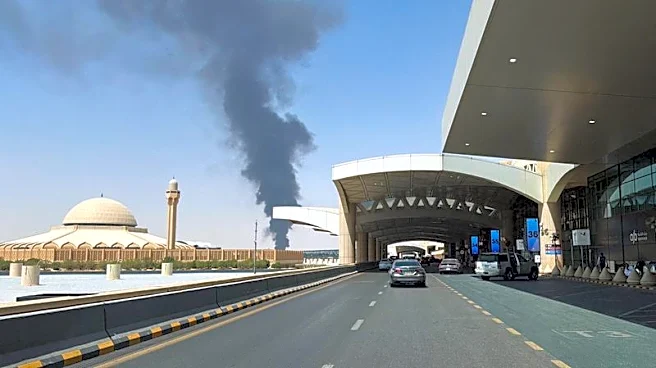
cited a comprehensive review of timing and the logistical requirements for staging an international event of this scale as the reason for the delay. This decision comes despite preparations being well underway, with film submissions and accreditation processes already closed for the 2026 event. While the Foundation did not directly attribute the postponement to regional conflicts or security concerns, the announcement occurs amidst heightened regional tensions and Houthi attacks in the Red Sea area. The Red Sea Fund and Red Sea Labs, which support filmmakers and film projects, will continue their operations throughout 2026. Additionally, year-round programming, including screenings and cultural events, is planned to commence in November 2026 at Culture Square in Historic Jeddah.
Why It's Important?
The postponement of the Red Sea International Film Festival creates a significant gap in Jeddah's cultural tourism calendar and the broader Arab film industry. The festival has grown into a crucial meeting point for filmmakers, producers, distributors, and industry executives from the Arab world and beyond, with its Red Sea Souk being particularly vital for co-production and financing opportunities. The absence of the 2026 edition will affect an entire ecosystem, including hotels, restaurants, transport services, and other visitor-related businesses that benefit from the influx of attendees. For travelers who had planned trips around the festival, this necessitates a review of their itineraries and bookings. While the festival's absence is a setback, Jeddah's broader cultural tourism economy continues to develop, with Historic Jeddah remaining a significant destination. The decision also highlights the complexities of staging large-scale international events in regions with fluctuating geopolitical conditions, even if not explicitly stated as the cause.
What's Next?
Travelers who had planned to attend the Red Sea International Film Festival in December 2026 are advised to promptly review their accommodation and transport reservations and check cancellation policies. The Red Sea Film Foundation is expected to release further information regarding refunds and arrangements for film submissions and accreditation through its official channels. While the main festival is postponed, the Foundation will introduce year-round programming at Culture Square in Historic Jeddah starting November 2026, offering alternative cultural experiences. The Red Sea Fund and Red Sea Labs will also continue their support for filmmakers. The sixth edition of the festival is anticipated to return in the fourth quarter of 2027, with exact dates yet to be announced. Stakeholders in the film industry and tourism sector will be closely monitoring official announcements for updates on the rescheduled event and the ongoing cultural initiatives in Jeddah.
Beyond the Headlines
The postponement of the Red Sea International Film Festival, while officially attributed to logistical considerations, subtly underscores the broader impact of regional stability on international cultural events. The decision, made amidst ongoing tensions in the Red Sea region, suggests that even without direct attribution, the prevailing security environment can influence the feasibility and planning of large-scale gatherings. This situation highlights the delicate balance between promoting cultural exchange and ensuring the safety and logistical viability of such events. Furthermore, the Foundation's pivot to year-round programming and continued support for film projects indicates a strategic effort to maintain momentum and foster the regional creative sector despite the festival's temporary absence. This approach could lead to a more distributed and sustained cultural calendar, potentially diversifying Jeddah's appeal beyond a single annual event and building a more resilient cultural tourism infrastructure.